 注: 建议图片大小150px*50px
丨
注: 建议图片大小150px*50px Views: 0 Author: Site Editor Publish Time: 2026-08-01 Origin: Site


For playground contractors, sports surfacing installers, and municipal project managers, selecting the right surfacing material directly impacts safety compliance, project durability, and long-term maintenance costs. Among the available options, 1-3mm colored EPDM granules for wet pour have emerged as the industry standard for high-performance, aesthetically versatile safety surfacing. These granules form the visible wearing course of a two-layer system, providing the color, texture, and critical fall height protection required for modern recreational spaces.
This guide draws on manufacturing expertise and international project experience to address the technical questions, procurement concerns, and quality markers that matter most to buyers. Whether you are specifying materials for a school playground in Europe, a municipal park in Australia, or a commercial development in the Middle East, understanding the fundamentals of EPDM granule selection will help you avoid costly errors and ensure a surface that performs for decades.

What Is Wet Pour EPDM Rubber Surfacing?
Wet pour is a seamless, in-situ rubber surfacing system installed over a prepared base—typically asphalt or concrete. The system consists of two bonded layers :
1. Base Layer: A cushioning layer made from recycled SBR (Styrene-Butadiene Rubber) granules mixed with polyurethane binder. This layer absorbs impact and determines the critical fall height rating.
2. Wearing Course: A colored top layer made from virgin EPDM (Ethylene Propylene Diene Monomer) granules mixed with a UV-stable polyurethane binder. This layer provides the surface color, texture, slip resistance, and aesthetic finish.
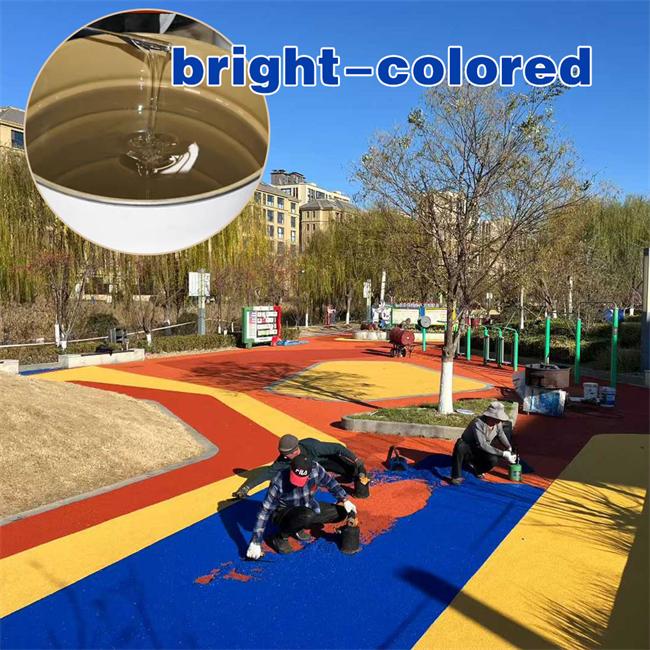
The term "wet pour" refers to the installation process: the binder and granules are mixed on-site, poured, and troweled into place before curing. The system cures within 24 to 48 hours depending on ambient temperature . The 1-3mm size fraction is specifically preferred for the wearing course because it creates a dense, smooth surface that is comfortable underfoot, easy to clean, and capable of holding intricate patterns and graphics .
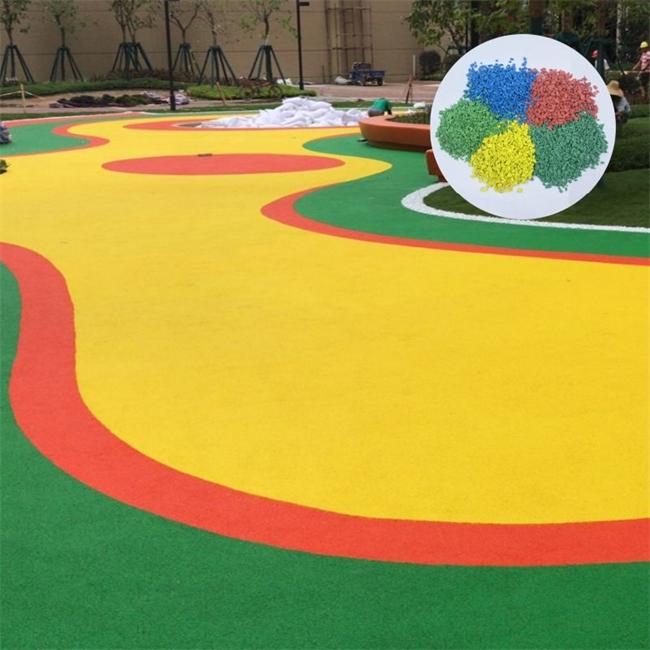
Applications of 1-3mm Colored EPDM Granules
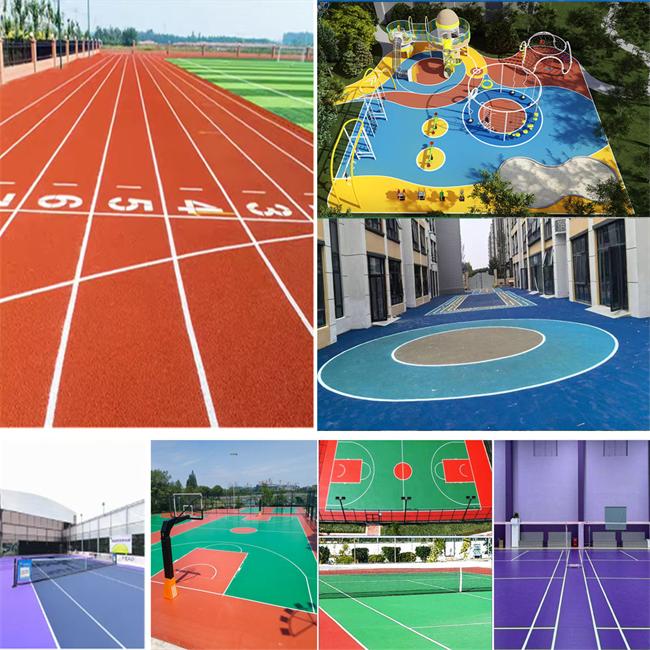
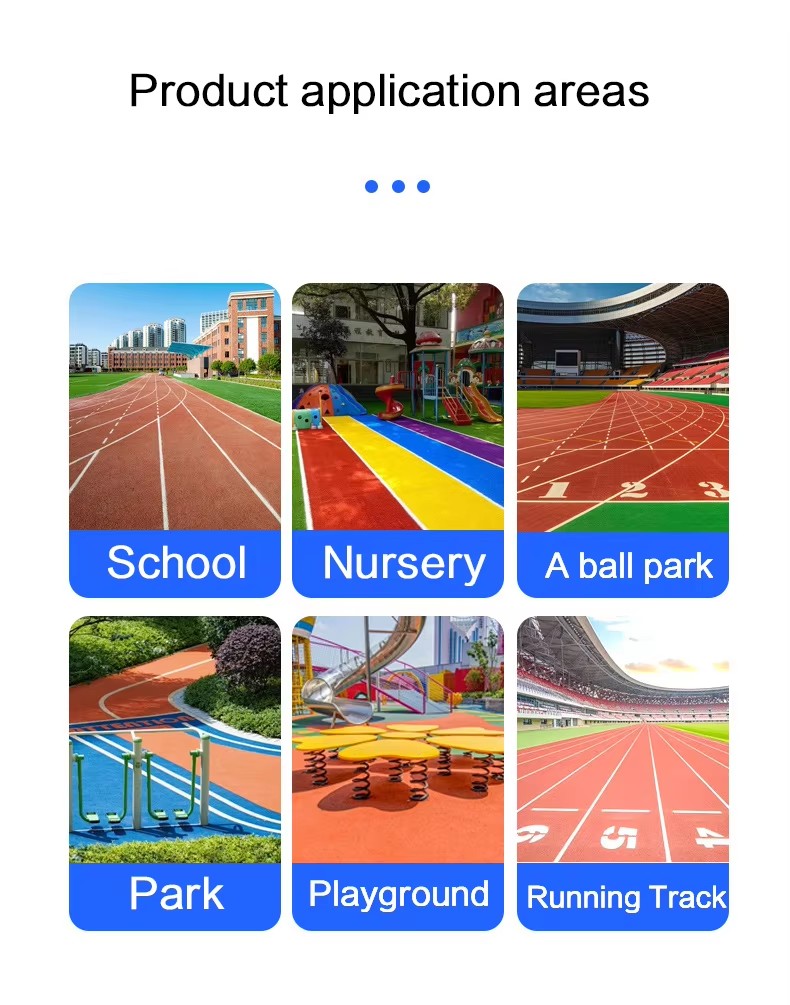
The versatility of wet pour surfacing makes it suitable for a broad range of environments. The 1-3mm EPDM wearing course is commonly specified for:
- Playgrounds and Adventure Parks: The primary application, where critical fall height protection is essential .
- Schools and Kindergartens: Durable, safe, and colorful surfaces for daily use.
- Running Tracks and Sports Surfacing: Provides consistent shock absorption and traction .
- Splash Pads and Water Parks: Permeable and slip-resistant when wet .
- Walking Paths and Recreational Areas: Aesthetic and low-maintenance .
- Commercial and Municipal Projects: Seamless, accessible surfaces suitable for high-traffic public spaces .
Key Benefits of Using 1-3mm EPDM Granules
Choosing EPDM for the wearing course offers distinct advantages over alternative materials like SBR .
UV Stability and Color Retention
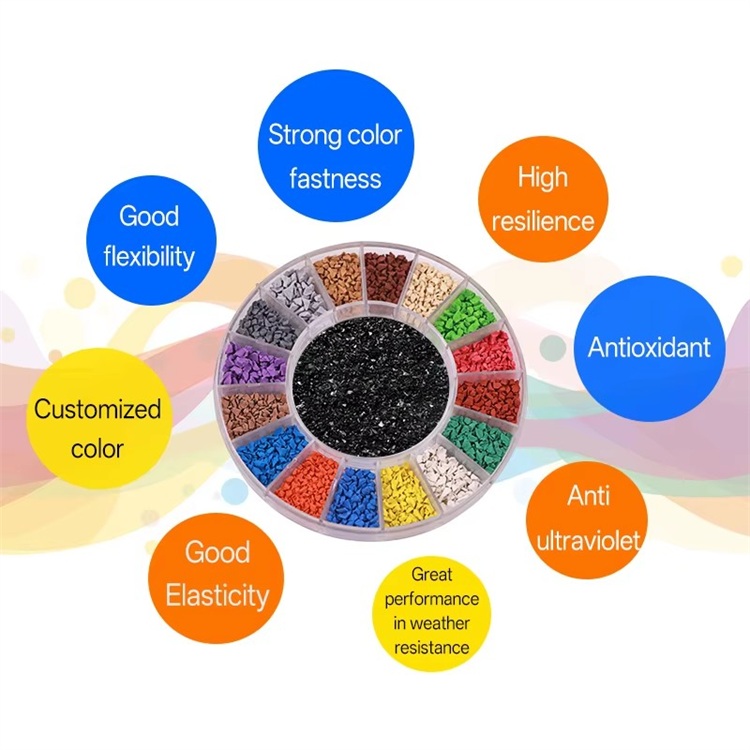
EPDM rubber is inherently resistant to ultraviolet radiation, ozone, and weathering . High-quality colored EPDM granules incorporate UV stabilizers that prevent degradation and fading. Industry testing using the Grey Scale method (1000 hours) typically rates UV resistance at 4-5, indicating minimal color change . This ensures the surface remains vibrant and attractive for years, even under intense sunlight.
Durability and Elasticity
Virgin EPDM granules exhibit excellent tensile strength (typically >4 MPa) and elongation at break (up to 400-650%), providing a resilient surface that withstands heavy foot traffic and resists abrasion . Unlike SBR, EPDM does not become hard or brittle over time, maintaining its shock-absorbing properties across a wide temperature range.
Permeability and Safety
The granular structure of wet pour allows water to drain through the surface, preventing puddling and reducing slip hazards . The seamless finish eliminates trip hazards and provides a uniform, impact-absorbing surface that meets international safety standards (e.g., BS EN 1177) .
Aesthetic Versatility
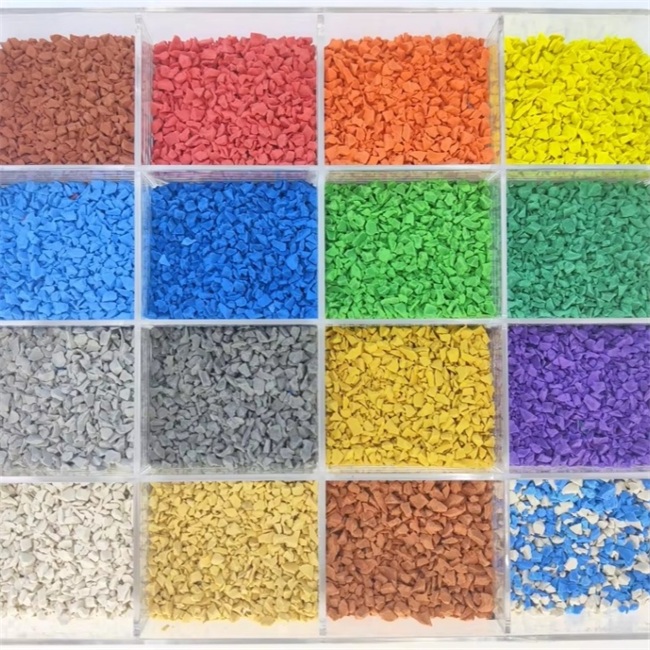
Available in over 20 standard colors, EPDM granules enable designers and architects to create vibrant, custom surfaces. The 1-3mm granule size allows for intricate patterns, logos, and multi-colored designs, making it ideal for branded commercial projects and themed playgrounds .

Common Challenges in Specification and Installation
Despite its advantages, several challenges can compromise the performance of a wet pour surface. Understanding these is the first step to avoiding them.
1. Color Fading and Chalking
Low-quality EPDM granules often use inferior pigments or insufficient UV stabilizers. Over time, this leads to color fading, surface chalking (powdering), and a dull appearance. This is particularly noticeable in high-sunlight environments .
2. Granule and Binder Incompatibility
For a durable surface, the EPDM granules must bond effectively with the polyurethane binder. Factors such as granule cleanliness (dust content), shape (angular vs. rounded), and moisture content affect adhesion . Poor bonding leads to delamination, where the wearing course separates from the base layer.
3. Inconsistent Color Matching
When using multiple batches of granules, slight variations in color can become visible on the finished surface, creating an unsightly patchwork effect. This is a common issue with manufacturers lacking strict color control processes.
4. Choosing the Wrong granule Size
While 1-3mm is the standard for the wearing course, the precise distribution within this range matters. Overly fine granules can create a dense, less permeable surface, while oversized granules may be uncomfortable underfoot or interfere with the troweling process.
How to Choose the Right EPDM Granules for Your Project
When evaluating suppliers, focus on these critical parameters to ensure quality and performance.
Granule Size and Distribution
The 1-3mm specification refers to the nominal granule size range. A well-graded mix ensures the granules pack tightly, creating a smooth, dense surface. The specific size can also be tailored for projects requiring different textures or applications, such as 0.5-1.5mm for spray coatings or 2-4mm for base layers on running tracks .
Polymer (EPDM) Content
The percentage of virgin EPDM polymer in the granule directly impacts performance. Higher polymer content (typically >20%) generally correlates with better elasticity, UV resistance, and longevity . Lower-quality products may contain excessive fillers, which degrade performance and durability.
UV Resistance and Color Stability
Inquire about the UV resistance rating. Reputable manufacturers can provide test data, often based on the Grey Scale, indicating performance after accelerated weathering tests. This data is critical for projects in regions with high solar radiation.
Certification and Testing
Request documentation such as:
- Technical Data Sheet (TDS): Includes physical properties (tensile strength, elongation, hardness).
- Material Safety Data Sheet (MSDS): Details the chemical composition and safety information.
- Certificate of Analysis (COA): Certifies the batch meets specified quality standards.
- Third-Party Test Reports (e.g., SGS, EN71): Provides independent verification of safety and performance, particularly important for children's applications.
Technical Specifications
When specifying 1-3mm colored EPDM granules for wet pour, the following technical parameters are typically expected :
- granule Size: 1-3mm (nominal); a well-graded distribution within this range is preferred for a dense, smooth surface.
- Tensile Strength: Typically ≥4 MPa, with high-quality products reaching ≥6 MPa, indicating the material's resistance to breaking under tension .
- Elongation at Break: Typically ≥400%, indicating the material's flexibility and ability to deform without breaking .
- Hardness (Shore A): Typically in the range of 55-70, providing a comfortable yet durable surface.
- EPDM Content: Usually >20% for premium products, with some manufacturers offering higher percentages for increased durability .
- Density: Lower density provides better coverage (more square meters per kilogram), which is an important factor in material cost calculations.
- Color Options: Available in a wide spectrum, including standard RAL and Pantone colors, as well as custom formulations.
Manufacturer Insights: Expert Advice from the Factory Surface
As a manufacturer exclusively focused on EPDM granule production, we encounter the same questions repeatedly from contractors and procurement professionals. Here is our practical advice:
Selecting the Right granule Size
- For standard wet pour wearing courses, 1-3mm is the most widely used and recommended size. It offers the best balance of surface smoothness, durability, and permeability.
- For artificial turf infill, 0.5-2mm is typically used to provide cushioning and stability without affecting playability.
- For spray coatings or thin layers, 0.5-1.5mm is preferred for a finer, smoother finish.
Critical Quality Factors to Verify
- Opt for granules made from virgin EPDM with high polymer content. Avoid products with recycled content, which often have inferior performance and color stability.
- Look for clean-cut, angular granules. Angular granules provide better mechanical interlocking with the binder and improve surface drainage compared to round granules .
- Request a sample batch. Before placing a large order, test a sample to evaluate color accuracy, the absence of dust, and performance with your chosen binder.
Avoid These Common Procurement Errors
- Not requesting a COA for your specific batch. This is your assurance that the delivered material meets the specified technical requirements.
- Choosing solely based on price. Lower-cost granules often contain less EPDM and more fillers, leading to premature failure and higher long-term costs.
- Overlooking packaging and logistics. Inquire about packaging options. For example, 25kg bags are standard, but larger bulk bags or tailored packaging can improve site efficiency and reduce waste .
Why Global Buyers Choose Our EPDM Granules
With over two decades of experience and a commitment to advanced manufacturing, our company has established itself as a trusted partner for international clients. We address the key concerns of contractors and importers through our manufacturing approach.
Advanced Sulfur-Free Technology
Our granules are produced using an advanced, sulfur-free curing process. This offers several distinct advantages over traditional EPDM:
- Odorless: The absence of sulfur means no harmful breakdown products are released, even under high temperatures or UV exposure. This is a critical factor for enclosed spaces and hot climates .
- Enhanced Molecular Stability: The sulfur-free crosslinking creates a more stable polymer network. This directly translates to over 3 times the lifespan of conventional EPDM granules.
- Superior Mechanical Properties: Our process improves elasticity and tensile strength, achieving values of 4-7 MPa (2-3 times higher than standard granules), providing exceptional resilience and wear resistance.
High-Performance Material Characteristics
Our specialized manufacturing results in granules with outstanding physical and environmental performance:
- Excellent UV and Weather Resistance: The advanced formulation provides superior antioxidant properties, ensuring colors remain vibrant and the surface does not degrade under harsh weather conditions.
- Food-Grade Safety Standards: Our granules are clean, non-toxic, and safe for use in sensitive environments like schools and kindergartens, meeting stringent international safety requirements.
- Efficient Coverage: Our low-density, angular granules provide exceptional coverage per kilogram, reducing overall material consumption and costs for contractors .
Flexible and Responsive Supply
We understand that procurement needs vary. As a dedicated manufacturer:
- We offer full customization: From color matching to RAL or Pantone standards, granule size from 0.5mm to 4mm, and private labeling.
- We have no minimum order quantity (MOQ): We support projects of all sizes, from small test orders to full container shipments, without requiring high minimum commitments.
- We ensure supply chain reliability: Our established production capacity enables us to meet urgent deadlines and maintain consistent quality across large-scale, multiple-batch projects.

Frequently Asked Questions (FAQ)
1. What is the difference between EPDM and SBR granules?
EPDM is a synthetic rubber made from virgin materials, offering superior UV resistance, color stability, and durability. SBR is often made from recycled tire rubber and is typically used for the base layer of wet pour systems. While SBR is cost-effective for cushioning, EPDM is essential for the colored, durable wearing course that is exposed to the elements and heavy traffic.
2. How long does a wet pour EPDM surface last?
A properly installed wet pour surface using high-quality virgin EPDM granules can last 10 to 15 years or more, with many original installations still performing well after nearly 20 years . Lifespan is significantly influenced by material quality, installation technique, and the level of ongoing maintenance.
3. How much binder is needed for 1-3mm EPDM granules?
The binder ratio typically ranges from 15% to 25% of the total mix weight, depending on the specific binder used, site conditions, and the desired finish. The manufacturer's TDS for the specific binder should always be consulted for the precise ratio.
4. Can you match a specific color from a sample or a Pantone code?
Yes, one of the primary advantages of working with a dedicated manufacturer is the ability to perform custom color matching. We can replicate specific colors based on physical samples, Pantone codes, or RAL numbers.
5. What is the minimum order quantity for custom colors?
As a manufacturer, we support flexible production runs. We have no minimum order quantity for standard colors and can accommodate small batches for custom color requests, subject to a nominal setup fee for initial color development.
6. What documentation is provided with each shipment?
Each shipment is accompanied by a Certificate of Analysis (COA) and a Material Safety Data Sheet (MSDS). We can also provide Technical Data Sheets (TDS) and third-party test reports such as SGS or EN71 upon request.
7. How should EPDM granules be stored on-site before installation?
Granules should be stored in a cool, dry place away from direct sunlight and moisture. Bags should be kept on pallets off the ground to prevent contamination and ensure the product remains dry before mixing with the binder.
Selecting the correct 1-3mm colored EPDM granules for wet pour is a decision that affects the safety, aesthetics, and lifespan of a surfacing project. For contractors, engineers, and procurement professionals, the priority is not merely finding "rubber granules," but identifying a reliable partner capable of providing a high-polymer-content, UV-stable product backed by technical documentation and a consistent supply chain.
This guide has outlined the critical technical specifications, common pitfalls, and procurement strategies necessary to specify and install a high-performance wet pour surface. By prioritizing material quality, color stability, and proven manufacturer expertise, buyers can ensure their projects meet safety standards, withstand the elements, and deliver lasting value. For a new playground, a sports track, or a commercial renovation, making an informed decision on EPDM granules is the cornerstone of a successful outcome.

WOW(LYG) New Material Co Ltd is a manufacturer specializing in the production of EPDM rubber granules. We use sulfur-free vulcanization technology, it increases the service life by more than 3 times than traditional EPDM granules, and enhances the performance, including anti-aging, high-temperature resistance, and colorfastness.
We have over 25 years of production experience and offer customization for colors and granule sizes. NO MOQ.


