 注: 建议图片大小150px*50px
丨
注: 建议图片大小150px*50px 


Custom color EPDM has become the specification standard for modern playgrounds, sports surfaces, and landscape surfacing projects. Yet for procurement professionals and contractors, navigating the landscape of custom color EPDM involves more than just picking a color swatch—it's about ensuring UV stability, batch-to-batch consistency, material performance, and supply chain reliability. This guide addresses what contractors, importers, and distributors actually need to know before specifying custom color EPDM.
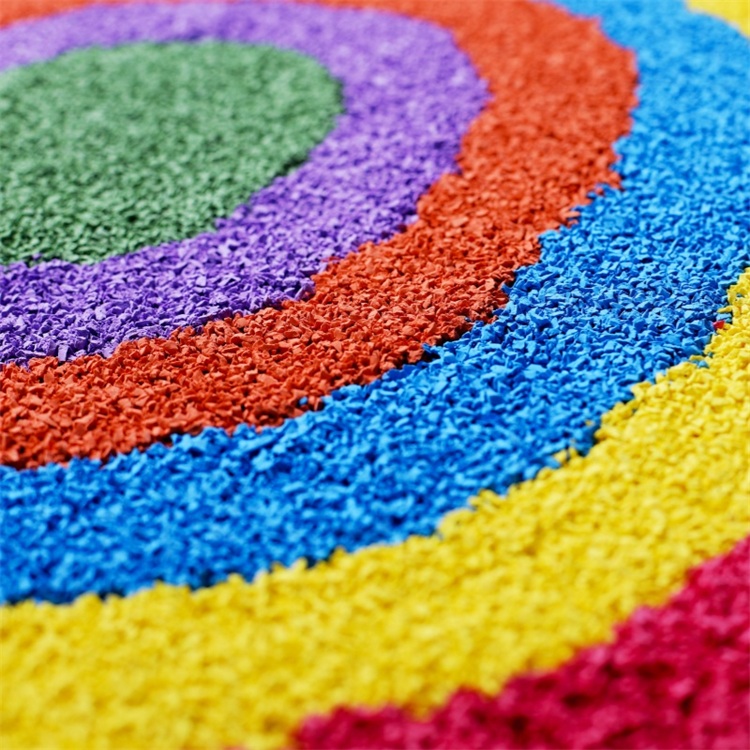
What Is Custom Color EPDM and Why Does Color Customization Matter?
Custom color EPDM refers to ethylene propylene diene monomer rubber granules manufactured in specific colors tailored to project design requirements—beyond standard stock colors. The material is produced from synthetic rubber with controlled polymer content, granule sizing, and pigmentation.
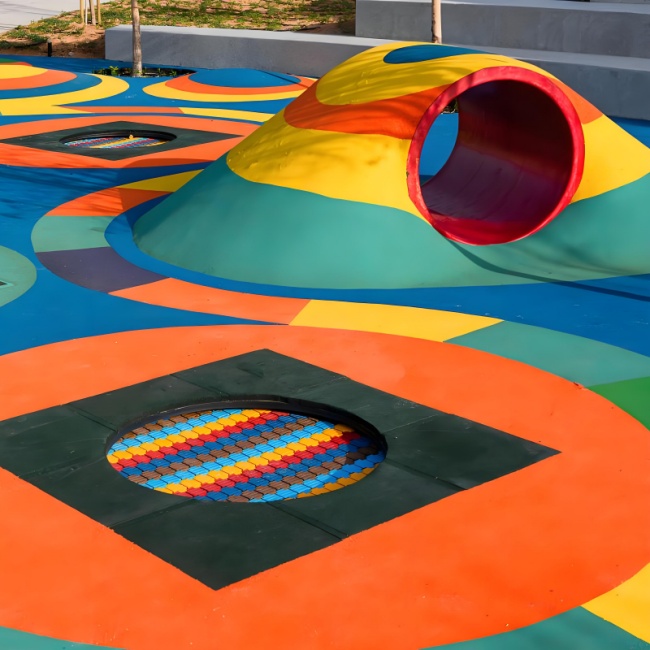
For architects and landscape companies, custom color capability means brand matching, thematic playground design, and integration with existing facility aesthetics. For project owners and government procurement, custom color EPDM allows community branding and visually distinctive recreational spaces that enhance neighborhood identity.
However, custom color is not a simple process. It requires precise formulation control: pigment selection, dispersion techniques, and UV stabilizer integration determine whether the custom color remains vibrant for years or fades within seasons.

Why Specifiers and Contractors Are Moving to EPDM
EPDM dominates synthetic sports and play surfacing because no other material matches its combination of weather resistance, elastic recovery, and color stability. Unlike SBR granules (made from recycled tires), EPDM offers:
Superior UV resistance — The molecular structure of EPDM withstands prolonged sun exposure without breaking down. Standard EPDM granules maintain color stability through UV stabilizers and proper pigmentation technology. Non-UV-stabilized alternatives will fade and surface-crack rapidly.
All-weather elasticity — EPDM maintains its cushioning properties across temperature extremes from sub-zero winters to high-heat summers, reducing injury risk and ensuring consistent play performance year-round. According to technical specifications, high-quality EPDM granules maintain elongation at break exceeding 450% and tensile strengths of 4.5 MPa or higher .
Chemical resistance — EPDM resists degradation from ozone, acids, alkalis, and common chemicals—critical for outdoor installations exposed to environmental pollutants and cleaning agents.

The Critical Questions Procurement Professionals Must Ask
Is the Custom Color Stable Under UV Exposure?
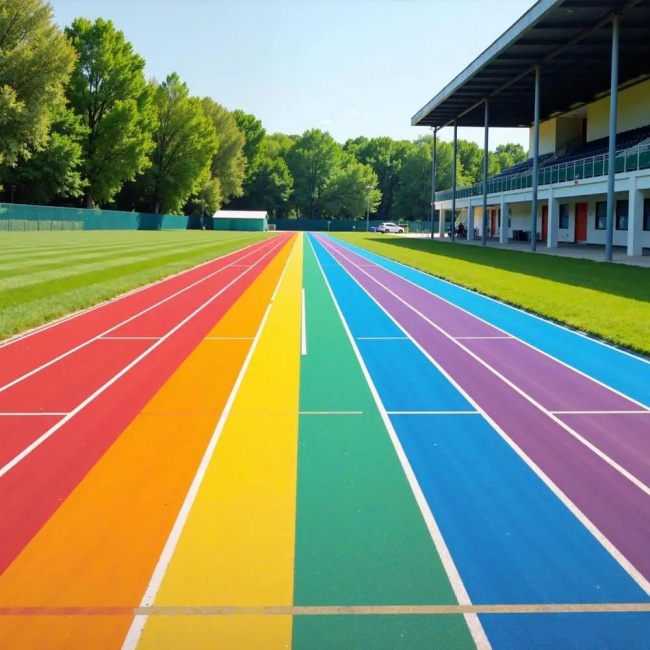
Color fading is the top complaint among playground and sports facility operators. When sourcing custom color EPDM, procurement managers must verify UV stabilizer content and request accelerated weathering test data. Granules that lack high-grade stabilizers will show significant fading and chalking within 12-24 months.
Quality custom color EPDM incorporates premium pigments with UV-resistant encapsulation that maintains vibrancy through years of sun exposure. The optimal formulation delivers what manufacturers describe as "GreyScale 3-5" color retention, depending on color intensity .
What Is the Real Polymer Content—and Does It Match My Application?
EPDM granules are not pure EPDM; they're compounds containing varying percentages of EPDM polymer blended with fillers. Higher polymer content (20-33%) delivers superior elasticity, aging resistance, and color retention, while lower polymer content reduces cost but compromises performance.
For critical applications like competition running tracks or high-impact playgrounds, a minimum of 20% EPDM polymer content is recommended . Polymer content directly affects tensile strength, elongation at break, and long-term performance. Leading suppliers offer polymer content from 10% to 33%, allowing specifiers to match material to performance requirements .
How Consistent Are the granules?
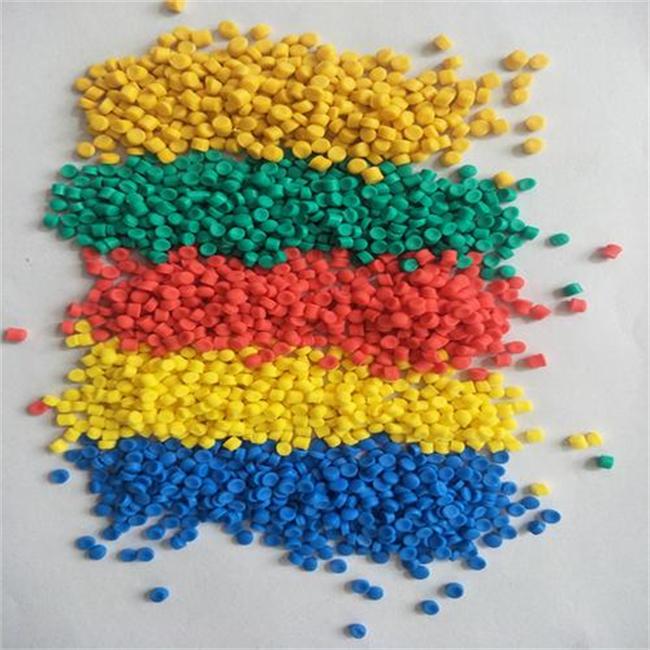
granule size uniformity affects aesthetics, drainage, and surface integrity. Inconsistent sizing leads to uneven compaction, poor drainage, and a surface that looks patchy and amateurish. In custom color EPDM, precision sizing ensures uniform distribution of color across the surface. Quality suppliers provide multiple sizing options including 0.5-1.5mm, 1-3mm, 2-4mm, and 3-5mm .
What About Odor?
Many rubber granules emit unpleasant sulfurous odors, particularly in heat. Standard EPDM manufacturing often uses sulfur-based vulcanization systems that can release sulfuric compounds under UV exposure.
Advanced manufacturing processes utilizing sulfur-free systems eliminate this problem entirely. Sulfur-free EPDM granules produce no odor even in high-temperature conditions because the molecular structure remains stable without decomposing into sulfuric compounds. This odor-free characteristic is increasingly specified for indoor sports facilities, schools, and residential-adjacent projects.

Avoiding Costly Procurement Mistakes
Mistake 1: Specifying on Price Alone
The lowest-cost custom color EPDM often uses low polymer content, substandard pigments, and insufficient UV stabilizers. The result: fading within months, crumbling surfaces, and premature replacement—costing far more than the initial savings.
Mistake 2: Ignoring UV Stabilization Requirements
Not all custom color EPDM products are formulated for the same UV exposure. Outdoor applications require intensive UV stabilization. Indoor applications have different requirements. Insist on specific UV stability data for your project's exposure conditions.
Mistake 3: Assuming All Custom Color Capabilities Are Equal
Some suppliers offer "custom color" but restrict options to a limited palette or charge prohibitive setup fees. Others provide true custom color matching to RAL or Pantone standards with low minimum order quantities.
Leading manufacturers offer full-spectrum customization including precise color matching via RAL or Pantone numbers, polymer content options from 10-33%, precision sizing, and flexible packaging .
Mistake 4: Overlooking Batch Consistency
Color variation between batches is a common complaint among contractors. When project phasing requires multiple orders, or when repairs are needed years later, color mismatches become expensive problems. Quality suppliers maintain rigorous batch control and can provide color retention data.
Practical Procurement Tips
Request samples under actual conditions. Don't rely solely on swatches. Install sample material outdoors in your project's climate and assess color stability, texture, and odor over time.
Specify UV stability requirements clearly. Require documented test results showing color retention under accelerated weathering.
Verify polymer content and test data. Tensile strength, elongation at break, and hardness values indicate quality. Premium custom color EPDM typically shows tensile strength of 4.5 MPa or above and elongation at break of 450% or higher .
Confirm custom color lead times and minimum order quantities. Peak production seasons (June-August) can extend lead times . Plan accordingly and understand your supplier's MOQ. Many suppliers now offer flexible quantities—some as low as 200 square meters for standard colors, with custom colors requiring moderate minimums .
Verify certifications. REACH, SGS (EN71-3), and RoHS compliance demonstrate commitment to safety and environmental standards .

Frequently Asked Questions
1. How long does custom color EPDM surfacing last?
High-quality EPDM surfaces typically last 8-12 years. Longevity depends on polymer content, UV exposure intensity, and maintenance frequency . Sulfur-free EPDM formulations significantly extend service life through superior molecular stability, with some manufacturers claiming 3-5 times the lifespan of sulfur-based alternatives .
2. What's the difference between EPDM and SBR rubber granules?
SBR granules are made from recycled tires and offer lower cost but inferior UV stability, elasticity, and color retention. EPDM is virgin synthetic rubber engineered for weather resistance and color stability. EPDM is the preferred specification for surfaces requiring longevity and vibrant color .
3. Can custom color EPDM match brand colors exactly?
Yes. Leading manufacturers provide custom color matching to RAL or Pantone standards, enabling precise brand color replication for corporate facilities, schools, and community projects .
4. Does custom color EPDM emit harmful odors?
Quality sulfur-free EPDM granules produce no odor. The absence of sulfur compounds prevents the decomposition that creates sulfuric smells, particularly in heat. This is a key specification for indoor installations and schools .
5. What minimum order quantity applies to custom colors?
MOQ varies by supplier. Some offer as low as 500 kg per custom color, while standard stock colors may be available in smaller quantities. Many suppliers have eliminated minimum order quantities entirely for custom colors, offering flexibility for smaller projects .
6. What granule size should I specify?
granule size depends on application. Smaller granules (0.5-1.5mm) produce finer, smoother surfaces. Larger granules (2-4mm, 3-5mm) offer greater shock absorption and drainage. For playgrounds and sports surfaces, 1-3mm is common .
7. How should I store custom color EPDM granules before installation?
Store at any temperature but keep dry. Avoid moisture contamination, which can affect bonding with polyurethane adhesives .

Custom color EPDM offers design flexibility and performance unmatched by alternative rubber surfacing materials—but only when specified correctly. For contractors, procurement managers, and specifiers, the key success factors are clear: verify UV stability, demand appropriate polymer content, require batch consistency, and source from manufacturers with proven custom color capability and quality control.
The shift toward sulfur-free EPDM technology represents a significant advancement, delivering odor-free installation, extended service life, superior color stability, and food-grade safety standards. When specifying custom color EPDM, these technical differentiators separate premium products from commodity alternatives.
For government procurement, school districts, and commercial developers, investing in high-quality custom color EPDM means surfaces that remain vibrant, safe, and serviceable for a decade or more—protecting both public investment and community satisfaction.

WOW(LYG) New Material Co Ltd is a manufacturer specializing in the production of EPDM rubber granules. We use sulfur-free vulcanization technology, it increases the service life by more than 3 times than traditional EPDM granules, and enhances the performance, including anti-aging, high-temperature resistance, and colorfastness.
We have over 25 years of production experience and offer customization for colors and granule sizes. NO MOQ.


