 注: 建议图片大小150px*50px
丨
注: 建议图片大小150px*50px Views: 0 Author: Site Editor Publish Time: 2026-08-15 Origin: Site


For playground contractors, sports surfacing specialists, and engineers, selecting the right EPDM granules for sports surfacing is one of the most critical decisions affecting project quality, longevity, and safety compliance. Whether you are specifying materials for a school running track, a municipal wet pour playground, or a multi-sport facility, the quality of EPDM rubber granules directly impacts performance, appearance, and lifecycle costs.
This guide draws on extensive manufacturing experience and industry best practices to help you understand what matters most when sourcing EPDM granules, how to evaluate quality, and how to avoid common procurement mistakes. We will also explain how a specialized manufacturer can support your projects with customized solutions—from color matching to precise granulometry.

What Are EPDM Granules for Sports Surfacing?
EPDM (Ethylene Propylene Diene Monomer) is a synthetic rubber known for its exceptional resistance to weathering, UV radiation, ozone, and temperature extremes. When processed into colored granules, it becomes the primary material for high-performance sports and safety surfacing systems.
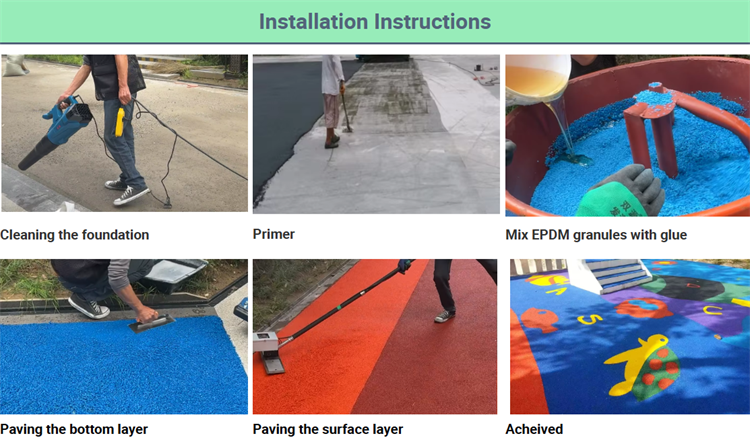
EPDM granules for sports surfacing are typically mixed with a polyurethane (PU) binder and installed on-site to create seamless, resilient surfaces for athletic tracks, playgrounds, and recreational areas. They can also be used as infill for artificial turf systems or incorporated into prefabricated rubber tiles and rolls.
Unlike SBR (styrene-butadiene rubber) crumb rubber made from recycled tires, quality EPDM granules are manufactured from virgin or carefully engineered compounds, offering superior color stability, elasticity, and lifespan.

Key Applications of EPDM Granules
Understanding the specific application helps determine the appropriate granule size, color, and performance specifications.
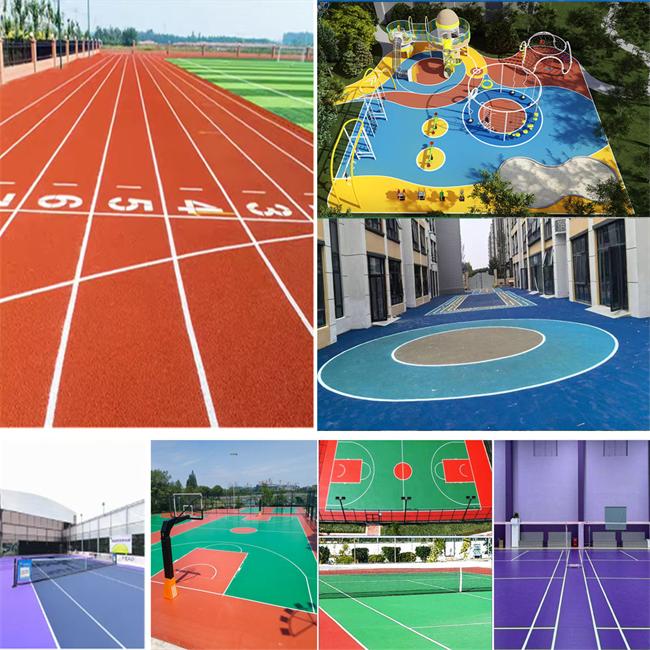
For wet pour playground safety surfacing, the typical granule size ranges from 1 to 4 millimeters, with critical requirements including critical fall height (CFH) rating, slip resistance, and vibrant, long-lasting colors.
For running track systems, manufacturers usually recommend a finer top layer of 0.5 to 1.5 millimeters, supported by a base layer of 1 to 3 millimeters. These surfaces demand high tensile strength, elongation, and abrasion resistance.
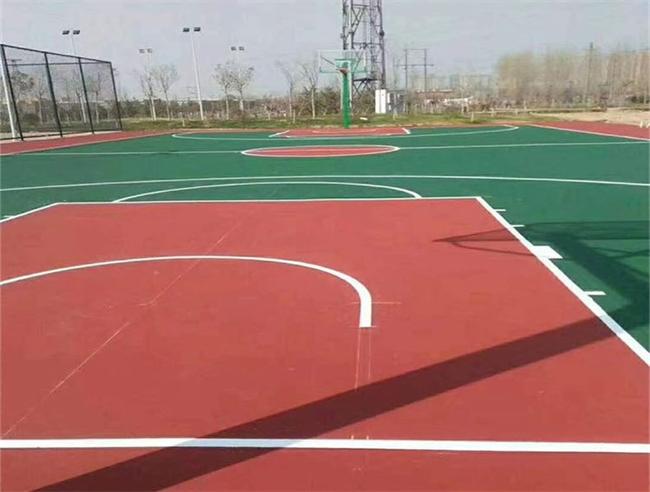
For multi-sport courts, granules in the 1 to 3 millimeter range provide optimal ball bounce, wear resistance, and water permeability.
For artificial turf infill, granule sizes between 0.5 and 2.5 millimeters offer shock absorption, efficient drainage, and long-term durability.
For pathways and recreational areas, 1 to 4 millimeter granules deliver aesthetics, weather resistance, and slip resistance, making them suitable for parks, schools, and municipal projects.
Critical Performance Parameters for Sports Surfacing EPDM
When evaluating EPDM granules for sports surfacing, these technical specifications matter most.
Tensile Strength and Elongation – Tensile strength indicates the material‘s resistance to tearing and breaking under stress. Industry standards often require values above 4 MPa for high-quality EPDM surfaces. Elongation at break, typically over 400 percent, measures flexibility and durability under dynamic loads.
Hardness (Shore A) – Hardness affects the surface’s cushioning and ball response. Typical values range from 60 to 67 Shore A for sports applications, balancing comfort with performance.
Granulometry (granule Size Distribution) – Consistent granule size ensures proper compaction, binder coverage, and a smooth final surface. Poor size distribution leads to voids, uneven texture, and reduced durability. Reputable manufacturers provide precise sieve curves to guarantee consistency.
EPDM Content – A higher percentage of genuine EPDM polymer, typically 20 percent or more in premium granules, directly correlates with longer lifespan, better UV resistance, and superior mechanical properties.
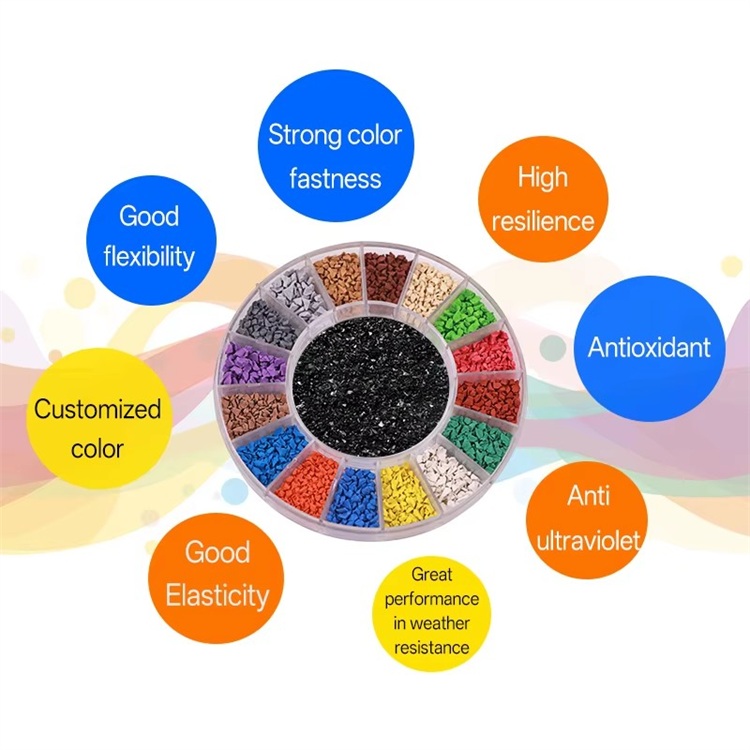
UV and Weather Resistance – For outdoor sports surfaces, UV stability is non-negotiable. High-quality EPDM retains color and mechanical integrity even after prolonged sun exposure.
Common Challenges and How to Avoid Them
Color Fading and Discoloration
The Problem: Inconsistent color stability in lower-grade granules leads to patchy, faded surfaces within months, especially in regions with intense sunlight.
The Solution: Choose granules manufactured with high-performance UV stabilizers and high-quality pigments. Some premium products now exceed standard UV exposure requirements significantly—for instance, maintaining color stability after 5,000 hours of accelerated weathering.
Inconsistent Color Between Batches
The Problem: Ordering multiple batches from suppliers without rigorous color control can result in visible differences between areas of the same project.
The Solution: Work with manufacturers that use standardized pigment formulations and maintain strict batch-to-batch color consistency protocols. Ask for continuous color samples or RAL/Pantone matching guarantees.
Insufficient Granule-Binder Bonding
The Problem: Poor-quality granules with high dust content or irregular shape don‘t bond well with PU binders, leading to premature delamination and surface failure.
The Solution: Specify granules with low dust content and optimized surface texture. Quality granules with a “sharp” or angular granule shape create better mechanical interlock with the binder, improving adhesion and reducing binder consumption.
Receiving Recycled or Blended Materials
The Problem: Some suppliers cut costs by blending virgin EPDM with recycled SBR crumb rubber, resulting in inferior performance, shorter lifespan, and potential health concerns.
The Solution: Request material certifications and technical data sheets (TDS) that clearly state the EPDM content percentage and confirm that the product is made from virgin or specified sustainable EPDM compounds.
How to Choose the Right Supplier for EPDM Granules
Criteria for a Reliable EPDM Manufacturer
Specialized Production Focus – A manufacturer that specializes exclusively in EPDM granules, like our company, demonstrates deep expertise and quality control compared to suppliers that handle multiple unrelated product lines.
Technical Transparency – The supplier should provide detailed TDS, MSDS, and test reports from accredited third-party laboratories covering tensile strength, elongation, hardness, abrasion resistance, and color stability.
Customization Capability – Projects often require specific colors (RAL, Pantone, or custom samples), granule sizes, and packaging. A manufacturer with flexible production lines and no minimum order quantity (MOQ) restrictions offers significant advantages.
Consistent Supply Chain – For large or multi-phase projects, reliable delivery schedules and consistent batch quality are essential. Assess the supplier‘s production capacity and export logistics experience.
Global Export Experience – Manufacturers with proven experience shipping to Europe, North America, Australia, and the Middle East understand international packaging, documentation, and regulatory requirements.

Technical Specifications: What to Look For
When reviewing product data, pay attention to these benchmark values for EPDM granules for sports surfacing.
Density – Lower bulk density, for example 0.48 kilograms per liter, indicates higher “coverage” per kilogram, effectively reducing material costs.
Polymer Content – A minimum of 20 percent genuine EPDM is required for long-term performance.
Tensile Strength – Values should reach at least 4 MPa for running tracks and sports surfaces.
Elongation – The material should achieve 400 percent or greater to withstand dynamic loading and temperature cycling.
Water Permeability – Quick drainage ensures all-weather usability, typically above 2,000 millimeters per hour.

Manufacturer Insights: Expert Advice from the Production Line
With over two decades of specialized EPDM manufacturing experience, we offer these practical insights.
Choosing the Right granule Size
For the top wear layer of running tracks and spray coat systems, a fine granulometry of 0.5 to 1.5 millimeters creates a smooth, dense surface with excellent traction.
For wet pour playgrounds, multi-sport courts, and base layers of track systems, 1 to 3 millimeter granules are the most versatile choice, balancing cushioning with stability.
For deeper, high-cushion safety surfaces where critical fall height requirements exceed 2 meters, 2 to 4 millimeter granules are recommended.
Color Customization: When and Why
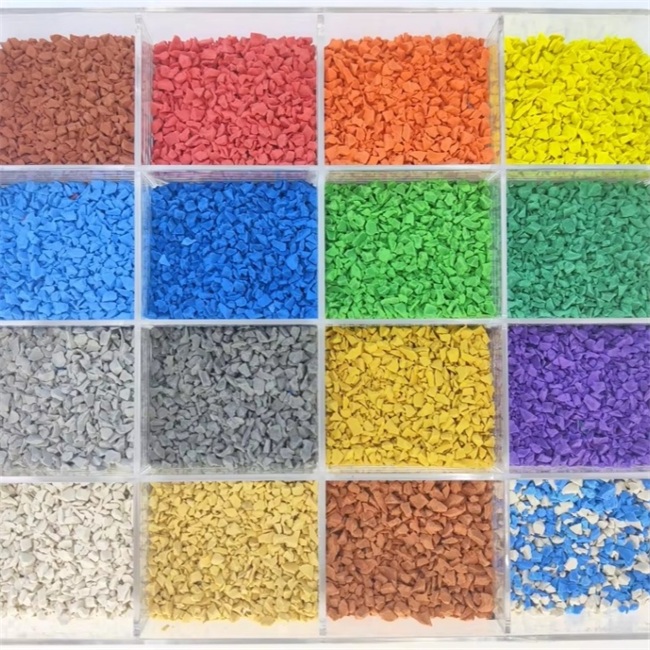
Standard colors such as red, green, blue, and yellow are usually readily available. However, custom colors—RAL or Pantone matching, or matching a client‘s physical sample—are recommended when the project requires specific branding or architectural integration, when the surface must match existing site elements, or when the client specifies a unique color palette for aesthetic differentiation.
Understanding the Importance of Sulfur-Free Technology
Traditional EPDM compounds often incorporate sulfur as a vulcanizing agent. However, sulfur can break down under heat and UV exposure, releasing unpleasant odors and degrading the polymer structure. Our sulfur-free EPDM technology results in significantly enhanced molecular stability, extending service life by up to three times. It also increases tensile strength and elasticity by two to three times, achieving values up to 4 to 7 MPa. Additionally, this technology provides superior color retention and UV resistance, complete absence of odor even in hot climates, and compliance with food-grade safety standards.
Minimizing Material Waste
Using high-quality EPDM granules with low dust content and optimized granule shape improves spread rates and reduces binder consumption by up to 10 to 15 percent compared to inferior products. This translates directly into cost savings on large projects.
Protecting Your Investment
For high-UV environments, consider specifying a clear or color-matched UV-resistant PU topcoat to further extend color life and surface integrity.
Why Global Buyers Choose Our EPDM Granules
As a dedicated EPDM granule manufacturer with 25 years of industry experience, we offer a combination of technical excellence and commercial flexibility that meets the demands of international contractors, importers, and distributors.
Superior Material Performance – Our sulfur-free EPDM granules deliver exceptional elasticity, tensile strength up to 7 MPa, and extended service life. They are odorless, highly UV-stable, and retain vibrant colors even under intense sunlight.
Comprehensive Customization – We support RAL color matching, Pantone color matching, custom color development from client samples, and a wide range of granule sizes including 0.5–1.5 mm, 1–3 mm, 1–4 mm, 2–4 mm, and other special specifications. OEM, ODM, and private label services are also available.
Flexible Order Quantities – We operate with no minimum order quantity (MOQ). Whether you need a trial sample, a partial container (LCL), or a full container load (FCL), we accommodate your project scale.
Quality Assurance – Every batch undergoes strict quality control, including tests for color consistency, granule size distribution, tensile strength, and UV stability. We provide comprehensive TDS, MSDS, and third-party test reports.
Global Logistics Expertise – With extensive export experience to Europe, North America, Australia, the Middle East, and other regions, we ensure proper packaging, documentation, and timely delivery.
Frequently Asked Questions (FAQ)
What size of EPDM granules should I choose for a playground safety surface?
For wet pour playground surfaces, 1 to 3 millimeter granules are most common. They provide excellent impact absorption and a comfortable texture. The total system depth is determined by required critical fall height ratings.
Do EPDM granules fade in sunlight?
High-quality EPDM granules formulated with premium UV stabilizers are highly colorfast. However, lower-grade or recycled products can fade significantly within one to two years. Look for products that have passed rigorous UV testing, such as exceeding 5,000 hours, and discuss the manufacturer‘s UV stability data.
How much PU binder is required for EPDM granule installation?
Binder consumption depends on granule porosity, dust content, and granule shape. Premium granules with low dust content typically require 15 to 25 percent less binder than standard products. A typical ratio for wet pour systems is about 15 to 20 percent binder by weight.
How long does an EPDM sports surface last?
With quality materials and proper installation, EPDM sports surfaces typically last 10 to 15 years or more, depending on usage intensity and maintenance. Sulfur-free EPDM formulations offer even greater longevity due to enhanced resistance to aging and degradation.
Can you customize EPDM granule colors?
Yes. Reputable manufacturers support RAL color matching, Pantone matching, and custom color development from customer samples. No MOQ is required for many customization options.
What is the difference between EPDM and SBR granules?
EPDM granules are manufactured from virgin synthetic rubber compounds and offer superior UV resistance, color stability, and longevity. SBR granules are typically made from recycled tires and are less colorfast, shorter-lived, but more economical for base layers. For top surfaces exposed to sunlight, EPDM is the recommended choice.
Do you support OEM/private label orders?
Yes. We offer full OEM, ODM, and private label services—including custom packaging and branding—for importers, distributors, and brand owners.
What is the minimum order quantity (MOQ)?
We have no MOQ restrictions. We support both full container loads (FCL) and less-than-container-load (LCL) shipments to accommodate projects of all sizes.
How should EPDM granules be stored before installation?
Store granules in a cool, dry, well-ventilated area away from direct sunlight and moisture. Keep bags off the ground using pallets and cover with opaque tarpaulins to prevent UV pre-exposure.
How do I check EPDM granule quality on site?
A simple visual and tactile inspection can identify issues. Look for uniform color, consistent granule size, low dust content, and absence of foreign materials. Check for a “soapy” or waxy feel, which may indicate excessive processing aids.

Selecting the right EPDM granules for sports surfacing requires a clear understanding of your project‘s technical requirements, careful evaluation of product specifications, and partnership with a manufacturer that prioritizes quality, consistency, and customer support.
As a dedicated EPDM granule manufacturer with extensive global export experience, we offer sulfur-free, high-elasticity EPDM granules with superior UV stability and color retention; full customization including RAL, Pantone, and custom colors, multiple granule sizes, and private labeling; no MOQ with flexible logistics covering both FCL and LCL shipments; fast delivery; comprehensive technical documentation and third-party test reports; and 25-plus years of industry expertise.

Contact us today to request samples, technical data, or a customized quotation for your next sports surfacing project.
WOW(LYG) New Material Co Ltd is a manufacturer specializing in the production of EPDM rubber granules. We use sulfur-free vulcanization technology, it increases the service life by more than 3 times than traditional EPDM granules, and enhances the performance, including anti-aging, high-temperature resistance, and colorfastness.
We have over 25 years of production experience and offer customization for colors and granule sizes. NO MOQ.


