 注: 建议图片大小150px*50px

丨
注: 建议图片大小150px*50px Views: 0 Author: Site Editor Publish Time: 2026-10-12 Origin: Site


Poland’s climate presents a unique set of challenges for outdoor sports and playground surfaces. With annual temperature swings ranging from below -20°C in winter to above 30°C in summer, combined with 540–820 mm of annual rainfall and significant freeze-thaw cycles, surface materials must deliver exceptional durability and weather resistance. Our EPDM granules are engineered specifically to meet these demanding conditions. They are produced using a peroxide vulcanization process that creates carbon-carbon cross-links instead of sulfur-based bonds. This molecular architecture provides superior thermal stability and resistance to thermo-oxidative aging compared to conventional sulfur-cured EPDM. The result is a granule that maintains its elasticity, color, and structural integrity through Poland’s harsh winters and warm, humid summers. We are a dedicated EPDM granule manufacturer—we do not perform installation—allowing us to focus entirely on delivering consistent, high-performance material to contractors, distributors, and project specifiers worldwide.

What Core Needs Do Our EPDM Granules Address?
When you are sourcing EPDM granules for a project in Poland or any climate with significant temperature fluctuations, you are likely looking for answers to several critical concerns:
Durability across freeze-thaw cycles. Poland experiences substantial ground freezing, with average frost depths reaching 26–27 cm in winter months. A surface material that becomes brittle or loses elasticity under repeated freezing and thawing will crack, disbond, or fail prematurely. Our EPDM granules retain their elastic properties even at low temperatures, preventing the embrittlement that can compromise surface integrity.
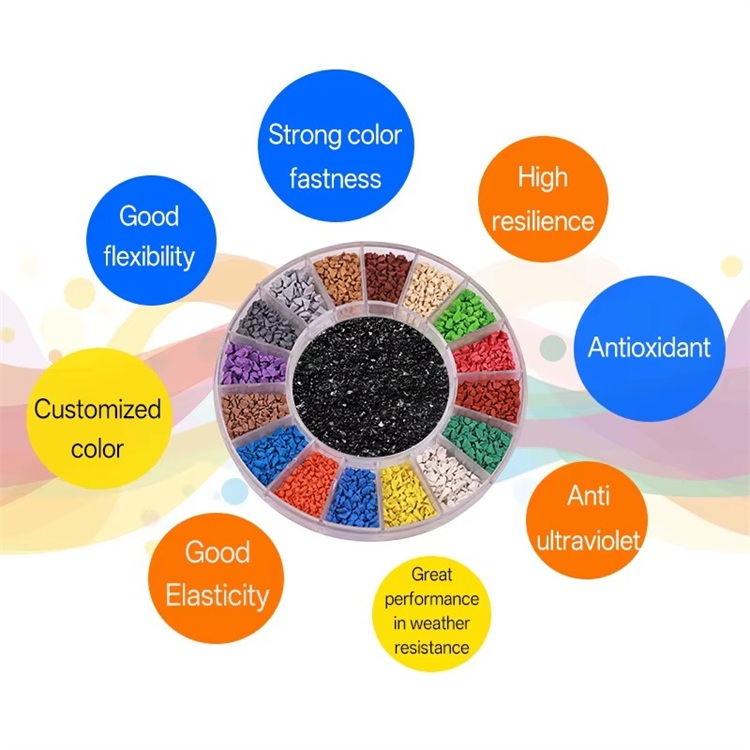
Color stability under UV exposure. Long summer days and strong solar radiation can fade inferior rubber granules within a single season. Our granules use high-quality pigments and a polymer structure that resists UV-induced degradation, keeping playgrounds and sports surfaces visually vibrant for years.
Elimination of odor and harmful emissions. Many EPDM granules on the market are sulfur-cured, which can release sulfurous compounds when exposed to heat and sunlight, producing unpleasant odors and potential environmental concerns. Our peroxide-cured EPDM contains no sulfur in its formulation. It does not produce sulfides, has no odor, and poses no harm to human health or the environment.
Consistent performance in wet conditions. With Poland receiving the majority of its annual rainfall during summer months, surfaces must drain effectively and maintain grip when wet. The angular shape of our granules creates a permeable, stable matrix that allows rapid water drainage while preserving traction and shock absorption.
Long-term cost efficiency. A surface that requires frequent repair or replacement carries hidden costs. The enhanced aging resistance of our granules—performance retention improved by more than 5 times compared to standard products—translates to extended service life and reduced lifecycle expenditure.
Applications of Our EPDM Granules
Sports Surfaces
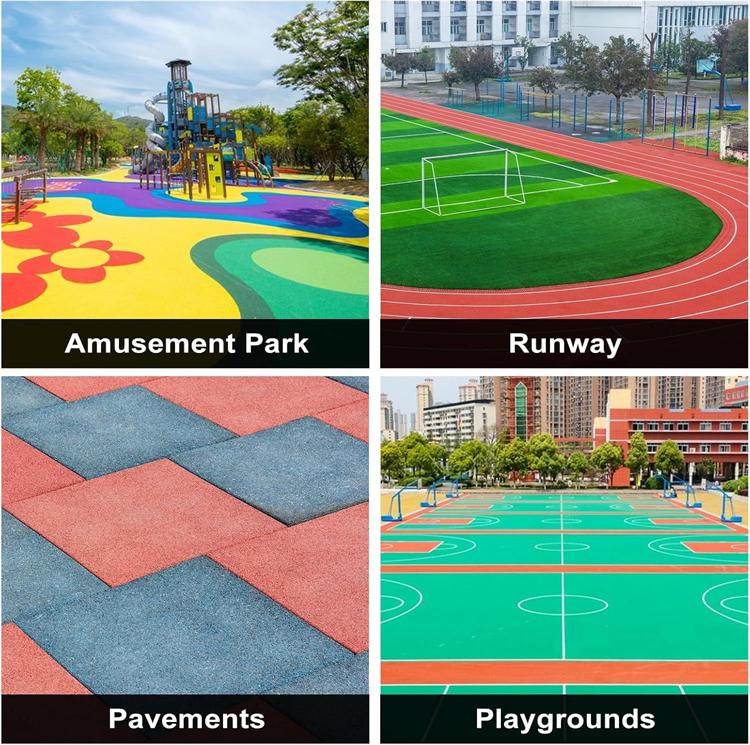
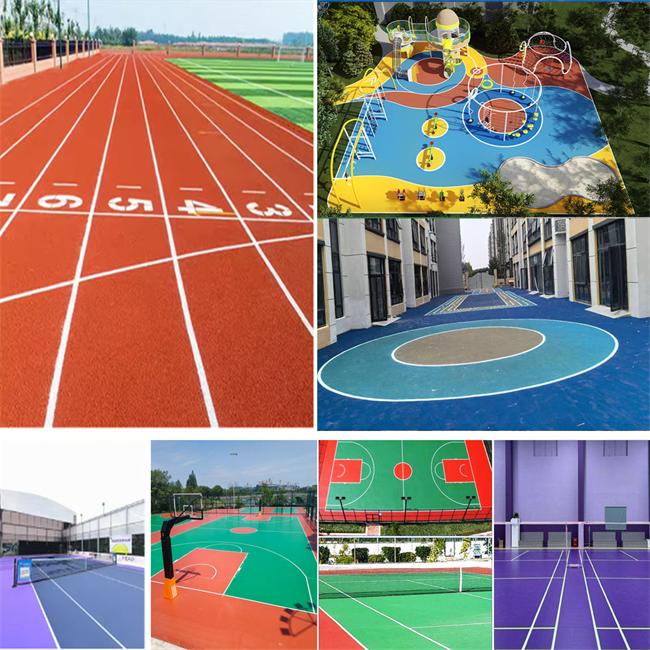
Our EPDM granules serve as the performance layer in polyurethane-bound sports surfaces. Typical installations include running tracks, multi-purpose courts for basketball and volleyball, tennis courts, and football pitches. The material provides the elasticity required for athlete safety while delivering the dimensional stability needed for consistent ball bounce and surface flatness.
Polish sports facility specifications frequently call for EPDM granules in the 1–4 mm or 2–4 mm range as the top wearing course, bonded with polyurethane binder. This layer provides UV-stable color and protects the underlying SBR shock pad from direct exposure and mechanical wear.
Playground Safety Surfaces
For playgrounds, EPDM granules are the material of choice for the wearing layer in wet-pour safety surfaces. Polish playground installations often use 0.5–1.5 mm or 1–3.5 mm granules to create a smooth, seamless surface that meets EN 1177 critical fall height requirements. The granules’ consistent elasticity ensures reliable shock absorption across the entire play area, while the wide range of available colors allows designers to create visually engaging environments that stimulate children’s activity.
Artificial Turf Infill
EPDM granules are widely used as performance infill in artificial turf systems for football and multi-sport fields. The granules stabilize turf fibers, provide foot stability, and deliver shock absorption that reduces joint stress on athletes. Typical infill specifications in Poland and internationally call for 2–4 mm EPDM granules applied at rates of approximately 6 kg/m² or higher depending on the turf system and performance requirements.
The angular shape of our EPDM granules contributes to an open infill structure immediately after installation. Combined with our granules’ resistance to compaction and their stable elastic recovery, this helps maintain consistent playing characteristics over time—including rotational resistance for player safety and predictable ball roll.
Rubber Mats and Tiles
EPDM granules are also the primary component in molded or compression-formed rubber mats and playground tiles. These products offer a factory-controlled alternative to wet-pour installation, with consistent thickness and performance across every unit. Our granules’ high tensile strength (4–7 MPa) and elongation properties support the mechanical demands of molded products.
Advantages of Our Peroxide-Cured EPDM Granules
The fundamental difference between our granules and conventional EPDM products lies in the vulcanization chemistry. While most EPDM granules use sulfur-based curing systems, we employ organic peroxides to create direct carbon-carbon bonds between polymer chains. This distinction produces measurable performance advantages:
No odor, no sulfur-related emissions. Because our granules contain no sulfur, they cannot produce sulfur dioxide or other sulfurous compounds when exposed to heat and ultraviolet radiation. This makes them suitable for indoor applications and enclosed spaces where air quality is a concern.
Enhanced thermal stability. Carbon-carbon cross-links have a bond dissociation energy of approximately 348 kJ/mol, compared to roughly 273 kJ/mol for carbon-sulfur bonds. This higher bond energy means our EPDM granules resist thermal degradation at elevated temperatures, maintaining mechanical properties even during hot Polish summers when surface temperatures can significantly exceed ambient air temperature.
Superior aging resistance. The more uniform network structure of peroxide-cured EPDM provides greater resistance to thermo-oxidative aging. Our granules exhibit a performance retention rate more than 5 times higher than standard products, meaning the material maintains its elasticity, tensile strength, and appearance far longer in service.
Extended service life. The stability of the C–C cross-link network translates directly to longevity. Laboratory and field data indicate that our granules’ service life is extended by a factor of 3 or more compared to sulfur-cured alternatives, even under conditions of combined high temperature, humidity, and UV exposure.
Improved elasticity and tensile strength. Our EPDM granules achieve tensile strength values of 4–7 MPa and elongation at break exceeding 500%, delivering the elastic recovery needed for shock absorption and the mechanical durability required for high-traffic surfaces.
Flame retardant performance. Our granules achieve a Class 1 flame retardancy rating, meeting safety requirements for public and commercial installations.
Low bulk density. The low bulk density of our granules (approximately 450–650 g/L depending on particle size) means greater volume coverage per unit weight, which can contribute to more economical shipping and material calculation for project specification.
Climate-Specific Durability for Polish Conditions
Poland’s transitional climate between maritime and continental influences creates conditions that are particularly demanding for outdoor surfaces. Average annual temperatures range from 7–9°C, with summer averages of 16.5–20°C and winter averages between -6°C and 0°C. The freeze-thaw cycle is a critical degradation mechanism: surface materials must withstand repeated expansion and contraction as temperatures pass through 0°C, with forecasts indicating continued variation in frost day frequency and intensity.
Our EPDM granules are engineered to perform reliably across this full spectrum. The amorphous polymer structure of EPDM, combined with our stable C–C cross-link network, provides excellent low-temperature flexibility. The material does not become brittle or crack when temperatures drop below -20°C, as can occur in northeastern Poland and mountainous regions.
For precipitation, Poland’s 540–820 mm annual rainfall is concentrated in summer months, with heavy rainfall events becoming more frequent. The angular granule geometry creates a porous surface structure that facilitates rapid drainage. Water permeability of EPDM-bound surfaces typically exceeds 0.06 cm/sec, preventing standing water and maintaining safe, usable conditions shortly after rain.
The granules’ UV stability is particularly relevant given Poland’s summer solar exposure. High-quality pigments embedded throughout the granule—not merely coated on the surface—ensure that color loss is minimal even after years of outdoor exposure. As the granule surface wears, fresh color is revealed, maintaining consistent aesthetics throughout the material’s service life.
Frequently Asked Questions
What makes your peroxide-cured EPDM granules different from standard sulfur-cured granules?
Sulfur-cured EPDM forms cross-links through sulfur bridges, which have lower bond energy and can release sulfurous compounds under heat and UV exposure. Our peroxide curing creates direct carbon-carbon bonds with higher bond energy (approximately 348 kJ/mol versus 273 kJ/mol for C–S–C bonds). This results in no sulfur-related odor, superior thermal stability, and significantly better aging resistance.
Will EPDM granules perform well in Poland’s winter conditions?
Yes. EPDM maintains its elastic properties at low temperatures and does not become brittle under freeze-thaw cycling. The material’s performance has been validated in installations across Northern Europe and other cold-climate regions. Our granules are designed to withstand the temperature fluctuations characteristic of Poland’s transitional climate.
What particle sizes do you offer?
We manufacture granules in multiple standard ranges: 0.5–1.5 mm, 1–3 mm, 1–4 mm, 2–4 mm, and other custom specifications. The appropriate size depends on application: finer granules (0.5–1.5 mm) for smooth playground surfaces, medium sizes (1–3.5 mm) for sports surfaces and artificial turf infill, and larger sizes where enhanced drainage or specific texture is desired.
Can you match a specific color requirement?
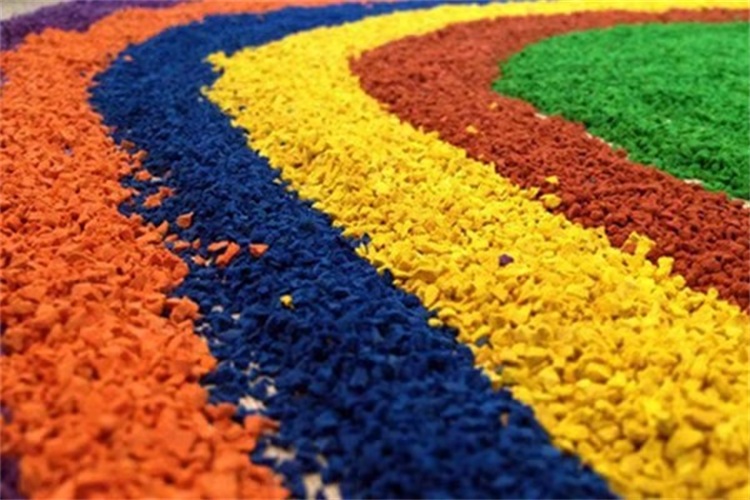
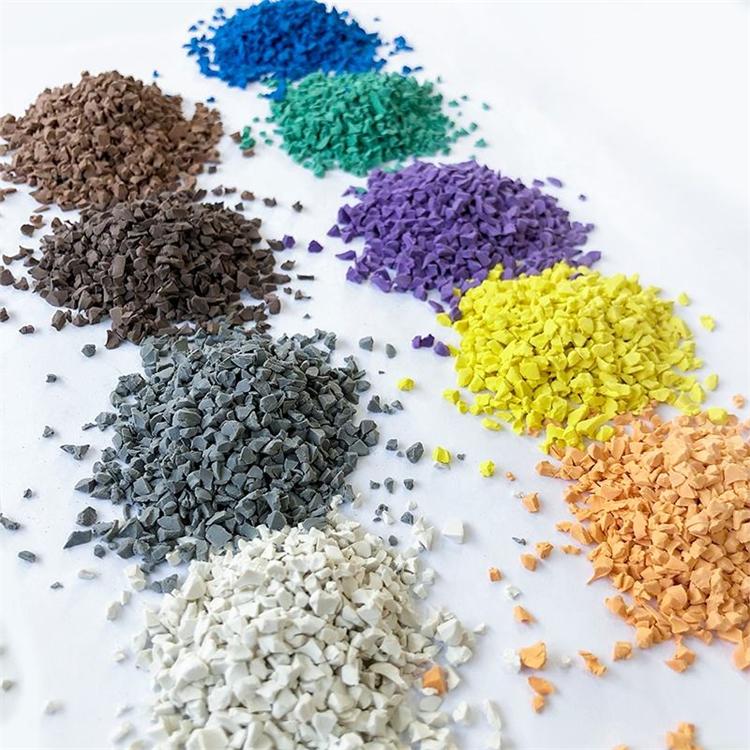
Yes. We support RAL color matching, Pantone color matching, and color matching from customer samples. We also offer color combination services for projects requiring mixed-color surfaces.
Do you offer custom packaging and labeling?
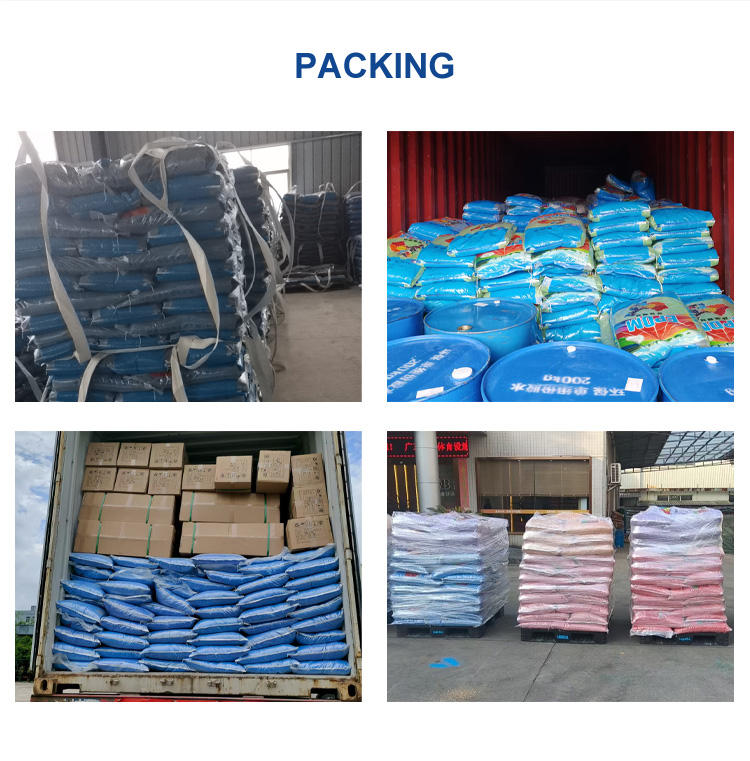
Absolutely. We support OEM, ODM, and Private Label arrangements. Packaging can be customized to your specifications, including bag sizes, labeling, and branding.
What is your minimum order quantity?
We offer flexible MOQs. For trial orders and sample testing, we can accommodate smaller quantities. For production orders, we support both full container loads (FCL) and less-than-container loads (LCL) to suit your project scale.
How quickly can you deliver?
We maintain stable production capacity and can typically complete orders within a competitive timeframe. For specific delivery requirements, please contact us with your project timeline.
What quality control measures do you have?
We operate with strict quality control protocols throughout the production process, from raw material selection through final sieving and packaging. Our 25+ years of industry experience and fully equipped production lines ensure consistent color, particle size distribution, and performance characteristics in every shipment.
Are your granules safe for children’s playgrounds?
Yes. Our granules contain no sulfur, no heavy metals, and no harmful substances. They are odorless, non-toxic, and compliant with safety standards for playground surfaces. The elasticity and shock-absorbing properties provide reliable fall protection.
Why Choose Us
We are a specialized EPDM granule manufacturer. This focus is deliberate and strategic: by concentrating exclusively on granule production—and not on installation or surface contracting—we devote all our technical resources and quality control attention to one product category. Our clients benefit from this specialization in the form of consistent quality, competitive pricing, and reliable supply.
Our 25+ years of experience in rubber granule manufacturing and our fully equipped production lines give us the capability to handle orders ranging from trial quantities to full container loads. We support complete customization: particle size, color (RAL, Pantone, or customer samples), packaging, and labeling. OEM, ODM, and Private Label services are available for distributors and brand owners.
For international clients, we offer free samples so you can evaluate color, texture, and particle size before committing to a production order. Our export experience spans multiple continents and climate zones, and we understand the documentation and logistics requirements of global procurement.
We maintain strict quality control at every production stage, from raw material inspection through final sieving and packaging. The result is high color consistency, stable particle size distribution, and performance characteristics that meet specification every time.
We welcome the opportunity to discuss your specific requirements—whether you need standard granules for an ongoing project or custom specifications for a specialized application. We can provide free samples for testing and a quotation tailored to your order quantity, granule size, color requirements, and packaging needs.


Request a quotation or free sample today.
WOW(LYG) New Material Co Ltd is a manufacturer specializing in the production of EPDM granules. We use the method of peroxide sulfidation technology, it increases the service life by more than 3 times than traditional EPDM granules, and enhances the performance, including anti-aging, high-temperature resistance, and colorfastness.
We have over 25 years of production experience and offer customization for colors and granule sizes. NO MOQ.


