 注: 建议图片大小150px*50px
丨
注: 建议图片大小150px*50px Views: 0 Author: Site Editor Publish Time: 2026-08-06 Origin: Site


When planning a Poured in Place Rubber (PIP) project, the longevity and safety of the final surface depend entirely on the quality of the raw materials. As a contractor or importer, you know that EPDM granules for wet pour playground are the most critical component of the system. While the PU binder acts as the glue, the EPDM rubber provides the shock absorption, aesthetic appeal, and weather resistance. However, the global market is flooded with varying qualities of rubber, making it challenging to distinguish premium virgin rubber from inferior recycled blends.
This guide is designed for playground contractors, engineers, and B2B buyers who need actionable insights into selecting, evaluating, and procuring high-performance EPDM granules. We will explore the technical differences, common procurement pitfalls, and how specialized manufacturing capabilities can elevate your playground surfacing projects.

What Are Wet Pour EPDM Rubber Granules?
Wet pour EPDM (Ethylene Propylene Diene Monomer) granules are synthetic rubber granules specifically engineered to be mixed with a polyurethane binder and poured in place to create a seamless, elastic safety surface. Unlike prefabricated rolls, PIP rubber systems are highly customizable in terms of thickness, color, and design.
The primary function of these granules is to provide Critical Fall Height (CFH) protection, ensuring that children are safe from injuries during falls. High-quality EPDM granules are characterized by their uniform shape, consistent coloration, and chemical stability. They must resist UV degradation, ozone exposure, and extreme temperature fluctuations without becoming brittle, fading, or emitting harmful odors.

Key Applications of Playground Surfacing EPDM
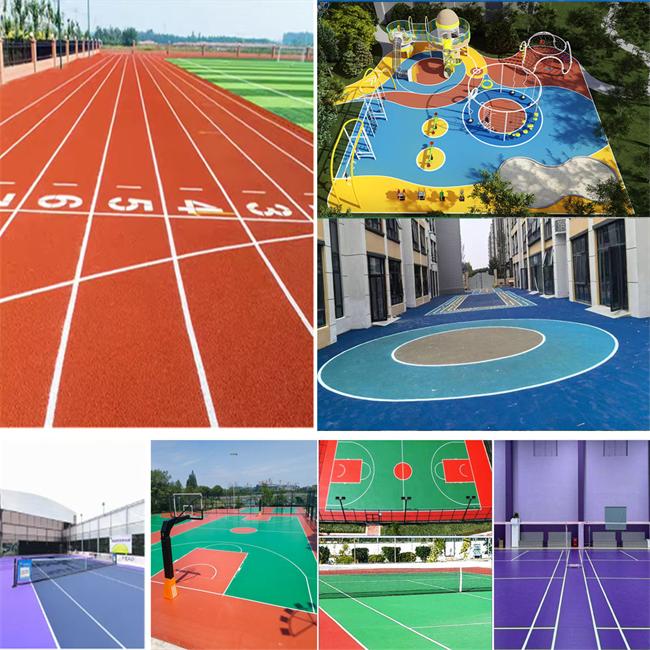
The versatility of EPDM granules for playground applications makes them the industry standard for various safety surfacing projects. Common applications include:
Wet Pour Playground Surfacing: Primary safety surfaces for school playgrounds and daycare centers.
Splash Pads & Water Parks: Areas requiring excellent water permeability and slip resistance.
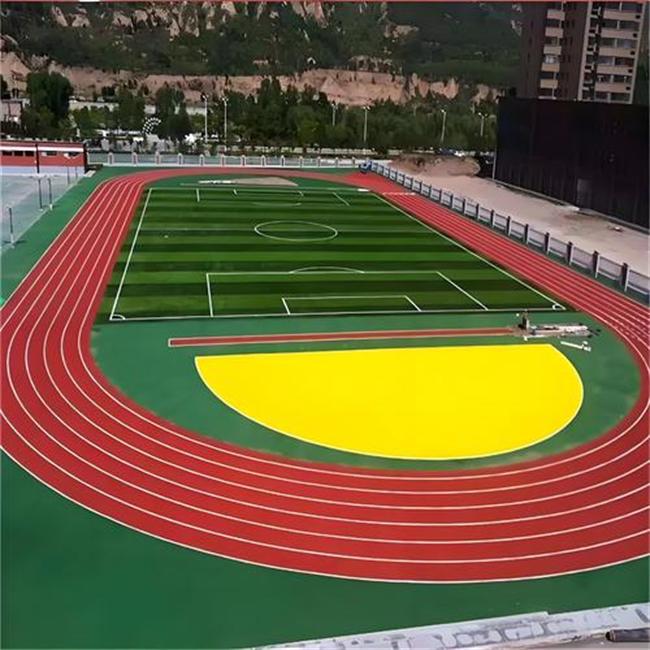
Running Tracks & Sports Surfacing: Multi-use athletic facilities requiring high shock absorption.
Walking Paths & Parks: Municipal trails, senior living facilities, and recreational areas.
Safety Surfacing: Fall zones beneath climbing frames, swing sets, and monkey bars.
Benefits of Premium EPDM vs. SBR
When specifying materials for safety surfacing, buyers often weigh EPDM vs SBR (Styrene Butadiene Rubber). While SBR is typically used as a cheaper base layer due to its lower cost, EPDM is superior for the top wearing course.
The benefits of using premium EPDM granules include:
Superior UV Stability: EPDM resists fading and chalking under direct sunlight, maintaining vibrant colors for years.
Enhanced Elasticity: Provides better shock absorption and energy return, reducing joint stress.
Chemical Resistance: Withstands sweat, chlorinated water (in splash pads), and environmental pollutants.
Hygienic & Odorless: High-quality, sulfur-free EPDM does not emit toxic gases or unpleasant smells, even in high heat.

Common Challenges in Procuring EPDM Granules
Sourcing rubber materials internationally comes with risks. Understanding these challenges is the first step to mitigating them:
Color Fading & Chalking: Low-quality granules use cheap pigments that break down under UV exposure, leading to a chalky white residue and washed-out colors.
Odor & Toxicity: Granules cured with sulfur or made from unverified recycled tires can emit strong, unpleasant odors in hot weather and may fail strict environmental safety tests.
Inconsistent granule Size: Irregular shapes and excessive dust content lead to poor binder adhesion, resulting in premature surface failure and loose granules.
Loss of Elasticity: Inferior rubber compounds harden over time, drastically reducing the Critical Fall Height protection and causing the surface to crack.
How to Choose High-Quality EPDM Granules
To ensure project success, buyers must evaluate materials based on technical performance rather than price alone. Here is how to assess quality:
Check the Curing Process: Opt for sulfur-free (peroxide-cured) EPDM. Sulfur-free granules have a more stable molecular structure, significantly enhancing anti-aging properties and eliminating odor.
Evaluate Tensile Strength: Premium granules should exhibit high tensile strength and elongation at break. This ensures the rubber can stretch and compress without tearing.
Assess Shape and Dust Content: Look for multi-faceted, irregularly shaped granules with sharp edges. These provide a larger surface area for the PU binder to grip. Low dust content is also crucial for maximizing binder efficiency.
Verify Certifications: Always request test reports for heavy metals, VOC emissions, and fire resistance to ensure compliance with local safety regulations.

Technical Specifications to Request
When requesting quotes or Technical Data Sheets (TDS), pay close attention to these parameters. Note that specifications can vary based on manufacturing processes:
Tensile Strength: High-performance virgin EPDM typically ranges from 4 to 7 MPa, offering 2 to 3 times the tensile strength of standard market alternatives.
granule Sizes: Standard top-coat sizes range from 0.5-1.5mm, 1-3mm, and 2-4mm. Base layers often utilize larger 1-4mm granules.
Bulk Density: Lower bulk density indicates a higher rubber content and less filler (like calcium carbonate), resulting in better elasticity and lower binder consumption.
Hardness: Usually measured on the Shore A scale, typically ranging between 60-70 for optimal safety and durability.

Why Global Buyers Choose Our EPDM Granules
As a specialized manufacturer dedicated exclusively to producing EPDM granules for wet pour playground systems, we understand the exact technical demands of international contractors. With over 25 years of industry experience, we have engineered our products to solve the most common industry pain points.
Our commitment to quality starts with our proprietary sulfur-free technology. By eliminating sulfur from our formulation, our EPDM granules do not decompose into sulfuric acid under high temperatures or intense UV radiation. This ensures the material is completely odorless and safe for children, meeting food-grade hygiene standards. Furthermore, this advanced molecular stability extends the service life of the playground surface by up to three times compared to traditional sulfur-cured rubber.
We also prioritize performance metrics that matter to installers. Our granules boast an impressive tensile strength of 4 to 7 MPa and enhanced elasticity, which improves the overall shock absorption of the wet pour system. The anti-oxidation properties lock in vibrant colors, while the low bulk density and multi-faceted shape ensure excellent binder adhesion and reduce overall material costs.
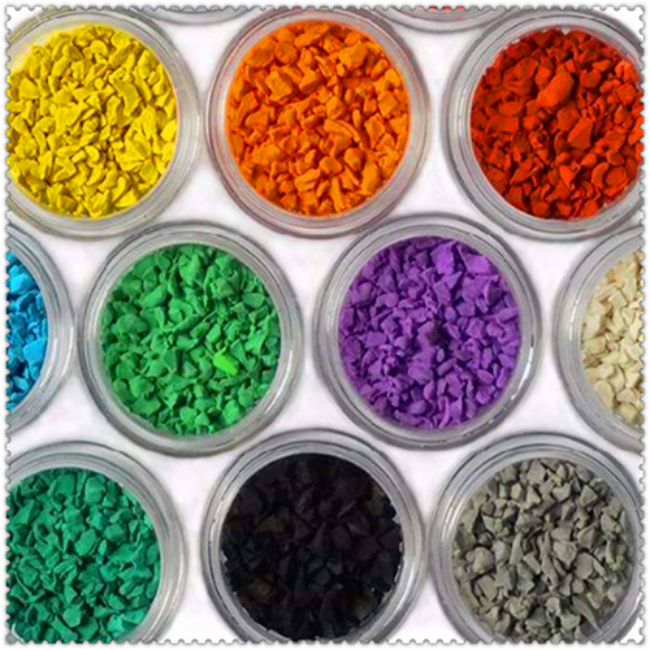
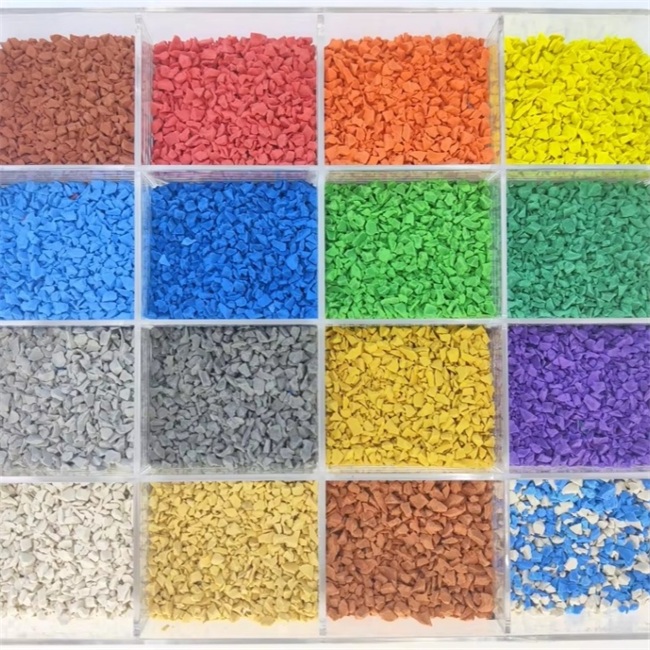
To support global B2B buyers, we offer unmatched flexibility. We support OEM, ODM, and Private Label services, allowing you to customize RAL and Pantone colors, granule sizes, and packaging. Whether you need a single sample bag or multiple full containers, we have no Minimum Order Quantity (MOQ), ensuring fast delivery and stable supply chains for projects of any scale.
Manufacturer Insights: Expert Advice for Buyers
Drawing from decades of manufacturing experience, here is our professional advice for contractors and importers:
Match granule Size to Application: For top-coat safety surfaces, 1-3mm is generally the industry sweet spot, balancing aesthetics, smoothness, and binder coverage. Use 2-4mm or larger for base layers to maximize shock absorption and reduce costs.
Demand Sulfur-Free for Premium Projects: If you are building a kindergarten, indoor playground, or a project in a hot climate, always specify sulfur-free EPDM. The slight premium in cost is justified by the elimination of odor complaints and extended lifespan.
Test Binder Compatibility Before Full Installation: Different EPDM granules react differently to PU binders. Always conduct a small test patch to determine the exact binder-to-granule ratio required for your specific climate and material batch.
Focus on Shape Over Perfect Roundness: Do not be fooled by perfectly round granules. Multi-faceted, irregularly shaped granules provide superior mechanical interlocking with the binder, preventing surface delamination.
Clarify Color Customization Early: If your project requires specific Pantone or RAL colors, communicate this during the initial inquiry. Custom color matching requires precise pigment dosing, and confirming this upfront prevents batch-to-batch color variations.
FAQ
1. What size EPDM granules should I choose for a wet pour playground?
For the top wearing course of a wet pour playground, 1-3mm is the most widely recommended size. It provides a smooth, safe surface while offering excellent UV resistance and color vibrancy. Larger sizes like 2-4mm are better suited for the shock-absorbing base layer.
2. Can EPDM granules fade or change color over time?
Low-quality granules can fade due to poor UV stabilizers. However, premium, sulfur-free EPDM granules feature advanced anti-oxidation and UV-resistant properties, ensuring the colors remain vibrant and stable for many years without chalking.
3. How much PU binder is required for EPDM granules?
The binder ratio depends on the granule size, shape, and bulk density. Generally, top-coat layers require about 15-20% binder by weight, while base layers require 10-15%. Multi-faceted, low-dust granules require less binder, optimizing your project costs.
4. How long does a wet pour EPDM surface last?
A properly installed wet pour surface using high-quality, sulfur-free EPDM can last 10 to 15 years or more. The sulfur-free molecular structure prevents degradation, extending the lifespan significantly compared to standard rubber.
5. Can you customize colors and granule sizes?
Yes. We specialize in custom manufacturing. We can match specific RAL or Pantone colors, adjust granule size distributions, and create custom packaging to meet your exact project specifications and branding needs.
6. Do you provide TDS, MSDS, and safety certifications?
Absolutely. We provide comprehensive Technical Data Sheets (TDS), Material Safety Data Sheets (MSDS), and third-party test reports confirming our products meet international safety, heavy metal, and VOC emission standards.
7. Is there a Minimum Order Quantity (MOQ)?
No. We understand that project needs vary. We have no MOQ, allowing you to order exact quantities for small repairs, sample testing, or large-scale commercial installations without penalty.
8. Why are your EPDM granules odorless?
Our granules are manufactured using a sulfur-free curing process. Without sulfur, the rubber does not break down into odorous compounds when exposed to heat or UV light, making them completely safe and odorless for sensitive environments like schools and indoor play areas.
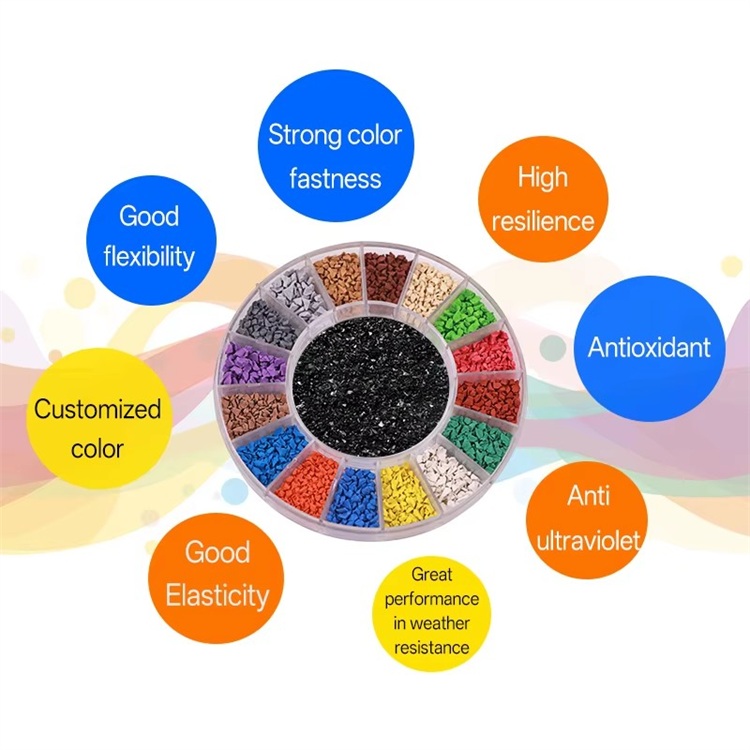
Selecting the right EPDM granules for wet pour playground projects is a critical decision that impacts safety, aesthetics, and long-term maintenance costs. By prioritizing sulfur-free formulations, verifying tensile strength, and partnering with a specialized manufacturer, contractors and importers can guarantee superior project outcomes.
If you are looking for a reliable partner to supply premium, customizable, and odorless EPDM granules for your next safety surfacing project, we are ready to assist. Contact us today to request free samples, detailed technical specifications, or a customized quote tailored to your exact requirements.

WOW(LYG) New Material Co Ltd is a manufacturer specializing in the production of EPDM rubber granules. We use sulfur-free vulcanization technology, it increases the service life by more than 3 times than traditional EPDM granules, and enhances the performance, including anti-aging, high-temperature resistance, and colorfastness.
We have over 25 years of production experience and offer customization for colors and granule sizes. NO MOQ.


