 注: 建议图片大小150px*50px
丨
注: 建议图片大小150px*50px Views: 0 Author: Site Editor Publish Time: 2026-08-03 Origin: Site


As a playground contractor, sports surfacing installer, or procurement manager, you face a critical decision when selecting rubber surfacing materials. The choice impacts safety compliance, project longevity, maintenance costs, and your reputation. This guide addresses the real-world challenges of specifying and purchasing EPDM granules for wet pour surfacing, drawing on over two decades of manufacturing and technical engineering experience.
What Are EPDM Granules for Wet Pour Surfacing?
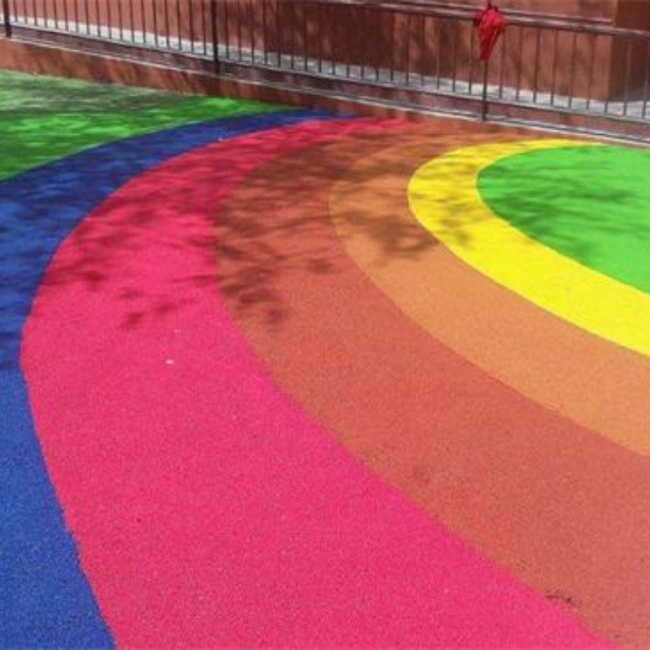
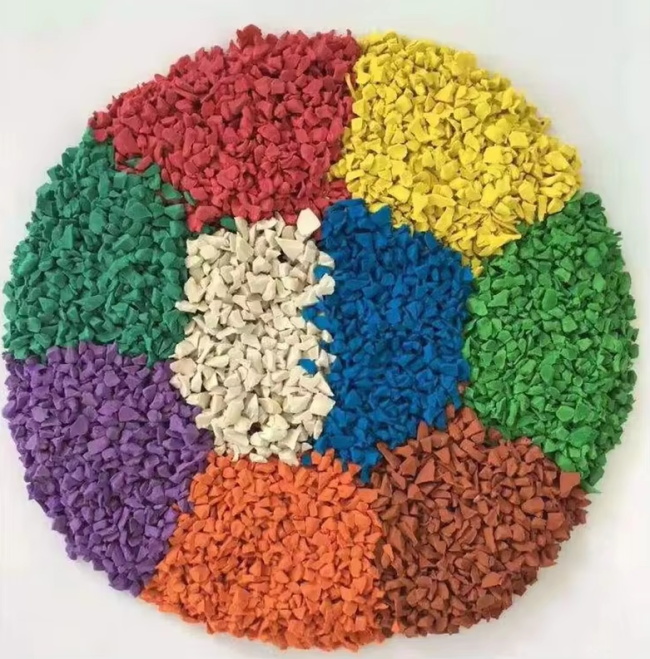
EPDM (Ethylene Propylene Diene Monomer) granules are synthetic rubber granules specifically engineered for wet pour surfacing applications. The wet pour method involves mixing these colored granules with a polyurethane binder on-site, then troweling the mixture onto a prepared base to create a seamless, porous, and resilient safety surface.
Unlike standard rubber granules, quality EPDM variants feature angular granule shapes. This distinctive geometry creates mechanical interlocking during installation and provides excellent drainage properties, preventing water pooling that can compromise safety and accelerate material degradation.
Application Spectrum: Where Wet Pour EPDM Excels
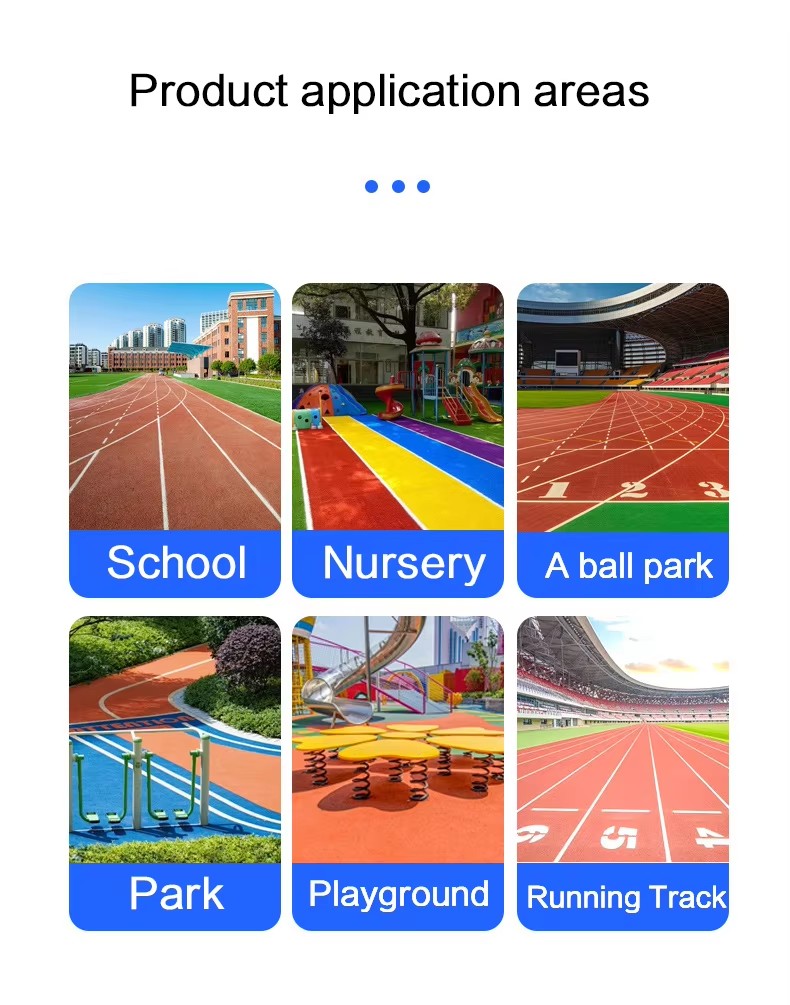
Understanding the full application range helps contractors and importers appreciate market demand and stocking requirements. EPDM wet pour surfacing serves diverse environments:
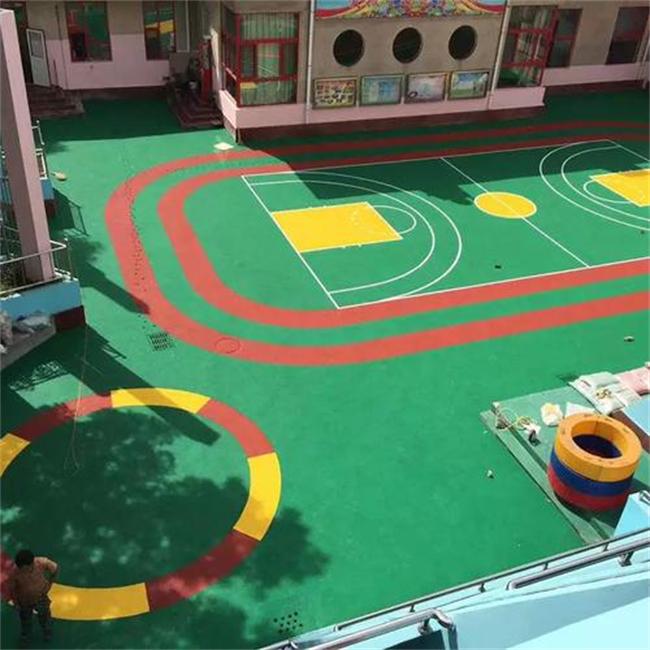
Children's Playgrounds and Kindergartens: The primary application. Critical fall height protection requires specific thickness calculations (typically 8-13mm for Kindergarten outdoor activity areas) with shock-absorbing properties.
Athletic Tracks and Sports Courts: Running tracks, multi-use games areas (MUGAs), and tennis courts benefit from the material's energy return and consistent traction characteristics.
Public and Commercial Spaces: Swimming pool surrounds, walkways, fitness trails, and landscape areas utilize the slip-resistant and aesthetic properties.
Specialized Infrastructure: Rooftop gardens, rooftop playgrounds, and空中连廊 applications leverage the lightweight nature and waterproofing compatibility.
The Rationale: Why Wet Pour EPDM Systems Are Specified
The decision to use wet pour EPDM surfaces stems from performance requirements that other surfacing options struggle to meet:
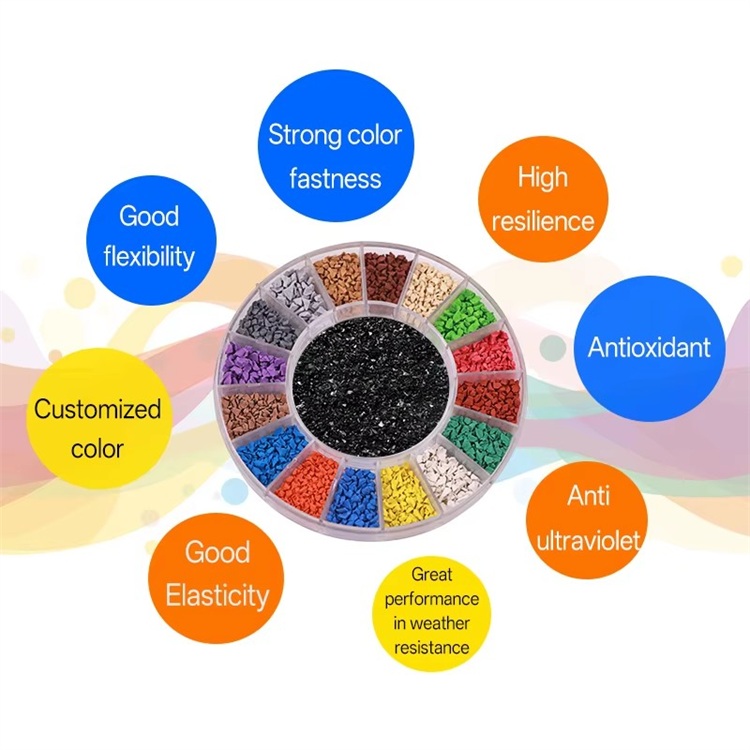
Critical Fall Protection: The inherent elasticity and cushioning create a critical fall height rating essential for playground safety standards. The material absorbs impact energy from falls, reducing injury risk.
All-Weather Usability: The porous structure allows rapid water drainage, ensuring surfaces remain usable shortly after rainfall. Unlike solid surfaces, water doesn't pool, and the material doesn't become slippery.
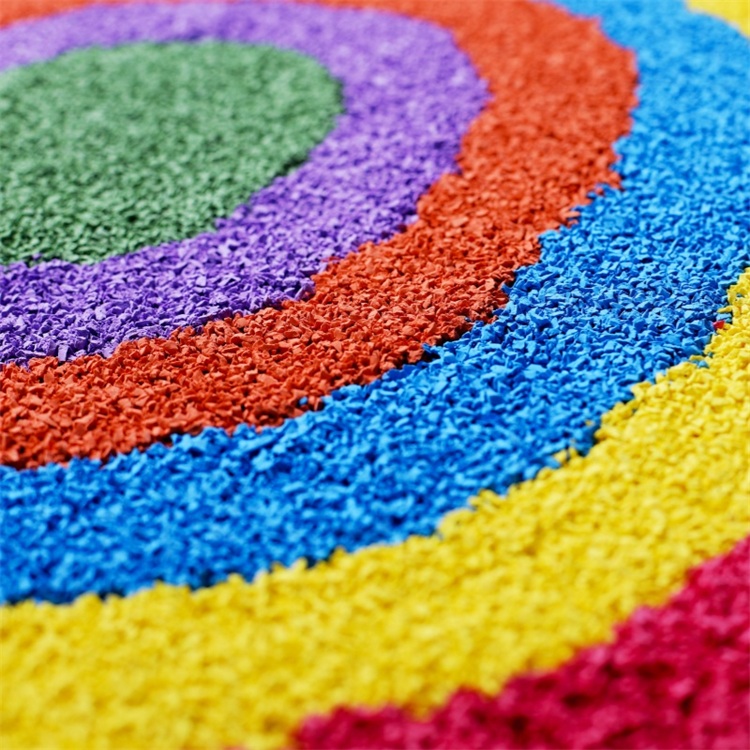
Design Flexibility: Available in over 23 standard colors with full customization capabilities, wet pour systems enable creative pattern design, zone demarcation, and branding integration.
Seamless, Accessible Finish: The monolithic nature eliminates trip hazards associated with joints or seams, creating a fully accessible surface compliant with disability access requirements.

The Critical Challenge: Solving Real-World EPDM Performance Problems
The market is flooded with EPDM products offering varying quality levels. Understanding the failure modes and inferior product characteristics is essential for making informed procurement decisions. Here are the primary challenges contractors and purchasers encounter, and how superior engineering addresses them:
1. UV Degradation and Color Fading
This is perhaps the most visible and frustrating failure mode. Standard EPDM granules contain sulfur-based vulcanization agents. Under intense UV exposure and elevated temperatures—conditions typical in outdoor installations—these sulfur compounds decompose, releasing sulfuric acid derivatives and causing rapid color fading, chalking, and surface embrittlement.
Advanced Solution: Sulfur-free manufacturing technology eliminates this degradation pathway. By removing sulfur from the compound, the molecular structure remains stable even under prolonged UV and高温 exposure, significantly enhancing UV resistance and color retention. This is why premium granules maintain their bright, vibrant appearance for years without chalking or fading.
2. Unpleasant Odors and Environmental Concerns
End-users, particularly in educational and municipal settings, increasingly demand odor-free, non-toxic materials. Traditional EPDM formulations can release volatile organic compounds (VOCs) and unpleasant sulfurous odors, especially in high temperatures, raising health concerns and user complaints.
Advanced Solution: Sulfur-free compounds inherently resist odor generation. Because there is no sulfur to oxidize, the material does not release sulfuric gases. The product meets food-grade hygiene standards and stringent environmental regulations like GB 36246-2018 and上海团标 T/SHHJ000003-2018, with VOC content as low as 16.4 mg/kg.
3. Inconsistent Batch Quality and Size Variation
Contractors rely on consistent granule size for predictable coverage rates, even mixing with binder, and uniform surface texture. Suppliers using outdated equipment often produce inconsistent granule sizes, leading to patchy surfaces, poor drainage, and uneven wear.
Advanced Solution: State-of-the-art production lines ensure consistent granule geometry and size distribution. Every batch maintains the specified dimensions (e.g., 0.5-1.5mm, 1-3mm, 2-4mm), simplifying yield calculations and ensuring professional finish quality.
4. Poor Binder Adhesion and Delamination
Inferior granules have smooth surfaces that fail to bond effectively with PU binders, leading to delamination, surface raveling, and premature failure. This often manifests as granules breaking loose and creating maintenance nightmares.
Advanced Solution: Quality manufacturing processes enhance the surface texture and adhesion characteristics of the granules. The angular geometry creates mechanical bonds, and the compound formulation ensures strong chemical adhesion with recommended PU systems.
Strategic Procurement: How to Avoid Common Purchasing Errors
Avoiding costly mistakes requires a structured approach to supplier evaluation and material specification:
1. Verify Technical Specifications
Request and verify the Tensile Strength (quality material achieves 4-7 MPa, compared to substandard 4.5 MPa or lower), Elongation at Break (target >450%, with premium materials exceeding 650%), and Hardness (typically 50-60 Shore A for optimal balance of cushion and resilience).
2. Demand Regulatory Compliance
Insist on third-party certifications. Verify compliance with EN71/3 for toy safety (heavy metal leaching), REACH, CE, and relevant local standards like GB 36246-2018.
3. Assess Supplier Track Record
Evaluate the manufacturer's industry experience. A 25-year track record indicates proven capability to handle quality control, supply chain challenges, and client-specific requirements. It demonstrates resilience and institutional knowledge that newer entrants lack.
4. Understand Total Cost of Ownership
Price per kilogram is misleading. Consider density and coverage rate. A lower density granule (around 0.92-0.95 kg/m³) yields greater coverage per ton, reducing overall material costs. Superior longevity also means lower lifecycle costs.
5. Negotiate Flexibility
Project demands fluctuate. Suppliers that support flexible MOQ (no minimum order quantity) and rapid delivery (5-7 days for standard orders) reduce procurement friction and inventory carrying costs.
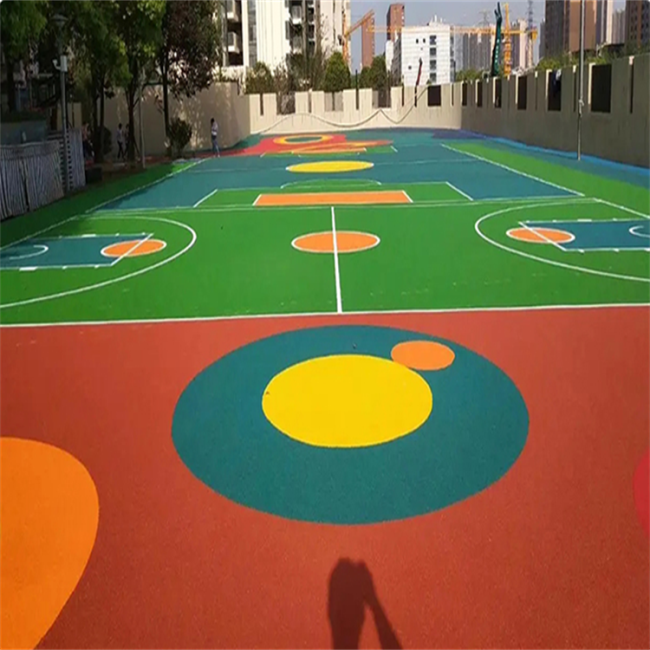
Our Manufacturing Edge: Engineered for Performance
Our commitment to quality begins with advanced manufacturing. We utilize sulfur-free compound technology to achieve exceptional material properties:
Enhanced Durability: The stable molecular structure provides 3x longer service life compared to conventional EPDM granules.
Superior Mechanical Properties: 2-3x improvement in tensile strength and elasticity (achieving 4-7 MPa), ensuring robust performance under heavy foot traffic and dynamic loading.
Exceptional Retention: 5x better performance retention rate means the surface maintains its safety and aesthetic properties longer.
Low Density: The low bulk density and angular granule shape provide excellent coverage and superior drainage.
Full Customization: Available in any color and granule size, with no minimum order quantity (no MOQ).

Why Wet Pour EPDM Is the Preferred Choice for Modern Projects
The growing preference for wet pour EPDM surfaces stems from its unmatched combination of safety, design versatility, and performance:
1. Safety Compliance: Provides certified critical fall height protection essential for regulatory approval.
2. Design Freedom: Unlimited color combinations enable custom patterns and visual identity creation.
3. Operational Efficiency: Quick installation over prepared asphalt or concrete bases reduces downtime.
4. Environmental Responsibility: Porous design promotes natural drainage and groundwater recharge. Non-toxic, odorless materials align with green building standards.
5. Low Maintenance: Easy to clean, resists stains, and drains rapidly, reducing maintenance time and costs.
Practical Tips for Contractors and Installers
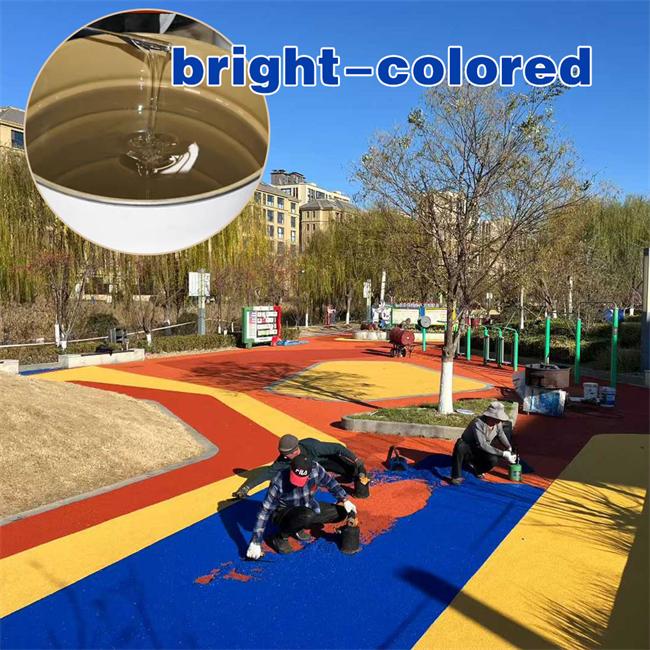
1. Verify Base Preparation: Ensure the concrete or asphalt base is cured for at least 21 days, clean, dry, and free from contaminants. Proper priming is critical for optimal adhesion.
2. Ambient Conditions: EPDM wet pour installation requires temperatures above 10°C and low humidity. Monitor weather forecasts to avoid rain during curing.
3. Ratio Precision: Adhere strictly to the manufacturer's binder-to-granule ratio specifications. Improper mixing compromises strength and weather resistance.
4. Clean Mixing Equipment: Resin residues on tools degrade subsequent batches. Maintain scrupulous cleanliness of mixing and troweling equipment.
5. Pattern Design: Plan color transitions and complex patterns before mixing. Consider using templates or metal strips for crisp color separations.
Frequently Asked Questions (FAQ)
What is the typical thickness for EPDM wet pour playground surfacing?
For playgrounds, the standard thickness is 8-13mm for outdoor activity areas, with the specific thickness determined by the required critical fall height rating. Athletic tracks typically use 13mm total thickness with a layered construction.
How does sulfur-free technology improve performance?
Sulfur-free granules do not break down under UV exposure, preventing sulfuric acid release and associated odors. This technology delivers 3-5x longer color stability and elasticity retention, eliminating the fading, chalking, and embrittlement common in traditional EPDM.
Can I customize the color and granule size?
Yes. Our manufacturing capabilities allow full customization of colors (over 23 standard plus custom matching) and granule sizes (0.5-1.5mm, 1-3mm, 2-4mm, and more). We have no MOQ, enabling small-batch custom projects.
How much EPDM granule do I need per square meter?
Coverage depends on granule size, system thickness, and granule density. With our low-density granules, you achieve excellent coverage per kilogram, reducing overall material costs. Contact us with your project specifications for precise yield calculations.
Is the material safe for children?
Absolutely. Our EPDM granules meet food-grade hygiene standards and comply with EN71/3, REACH, and CE certification. They are non-toxic, heavy-metal free, and contain no harmful substances.
What is the expected lifespan of a wet pour EPDM surface?
With proper installation and maintenance, quality sulfur-free EPDM surfaces last 10-15 years under normal usage conditions—3-5 times longer than standard EPDM products. This represents a significant total lifecycle cost advantage.
Can wet pour EPDM be installed over existing surfaces?
Yes, but the existing surface must be structurally sound, level, and clean. Asphalt or concrete bases are ideal. The surface must be free of contaminants and properly primed before installation.
What delivery times can I expect?
Standard orders are typically dispatched within 5-7 days. Our established supply chain and production capacity ensure we meet tight project deadlines without compromising quality.
Selecting EPDM granules for wet pour surfacing requires careful evaluation of technical performance, regulatory compliance, and supplier reliability. The difference between a successful, durable installation and a problematic, short-lived one often comes down to the quality of the granules and the expertise of the manufacturer.
Sulfur-free technology represents a generational leap forward, delivering superior UV stability, outstanding mechanical properties, and unmatched longevity. It addresses the core concerns of contractors, importers, and project owners: fading, odors, poor adhesion, and premature failure.
With over 25 years of industry experience, advanced production lines, and a commitment to flexible, client-oriented service (no MOQ, rapid delivery, and full customization), we provide the technical and commercial support needed for successful project outcomes.
For technical specifications, sample requests, or project consultations, contact our team. We welcome the opportunity to discuss how our engineered EPDM solutions can meet your surfacing requirements.

WOW(LYG) New Material Co Ltd is a manufacturer specializing in the production of EPDM rubber granules. We use sulfur-free vulcanization technology, it increases the service life by more than 3 times than traditional EPDM granules, and enhances the performance, including anti-aging, high-temperature resistance, and colorfastness.
We have over 25 years of production experience and offer customization for colors and granule sizes. NO MOQ.


