 注: 建议图片大小150px*50px
丨
注: 建议图片大小150px*50px 


Choosing EPDM for a running track isn’t just about picking a color. For contractors, importers, and procurement managers, this decision determines a project’s financial viability and reputation over the next decade.
The market offers a confusing mix of options, from virgin EPDM to recycled SBR blends, and from complex curing agents to varying PU glue ratios. An ill-informed choice leads to rapid fading, delamination, premature cracking, and even project failure during compliance testing .
We’ll navigate through the actual specifications, procurement pitfalls, and technical selection criteria you need to know when sourcing EPDM for running track projects.

What is EPDM for Running Track?
EPDM (Ethylene Propylene Diene Monomer) is a synthetic rubber engineered for extreme outdoor durability. Unlike natural rubber or recycled SBR (Styrene-Butadiene Rubber derived from tires), virgin EPDM is defined by its saturated molecular backbone. This structure provides unparalleled resistance to UV radiation, ozone, and weathering .
For running tracks, EPDM is the premium granular material used to create the wearing course—the top, visible, and textured layer. It is mixed with a polyurethane binder and applied either on-site as a liquid-poured system or factory-vulcanized into rolls. Its primary function is to provide athletes with a safe, non-slip, cushioned surface that maintains consistent performance regardless of sun exposure or rain .
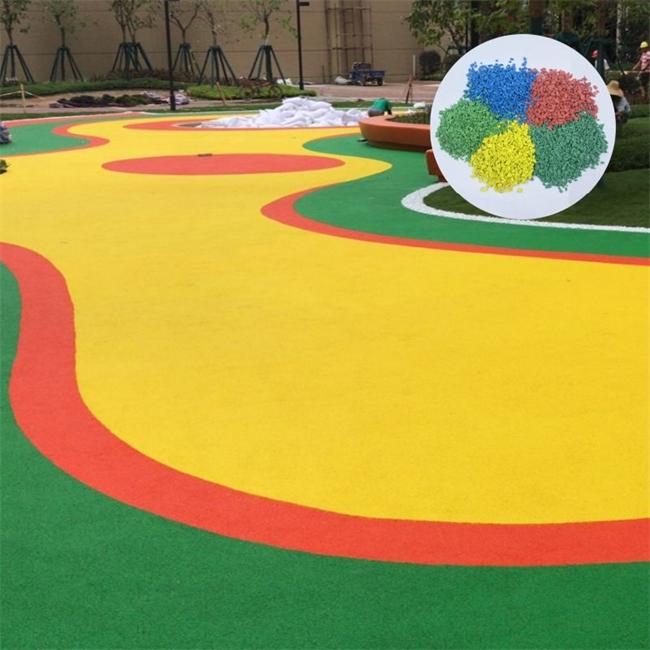
Why Choose EPDM for Running Tracks?
While SBR offers lower upfront costs, the long-term ownership costs often far exceed the initial savings. Here is why specifiers are increasingly specifying EPDM:
1. Long-Term UV & Color Stability: This is the most significant differentiator. Standard materials often fade or turn gray within 18-24 months. High-quality EPDM, particularly with advanced stabilization, can retain vibrant colors for over 8 years, even under harsh direct sunlight .
2. Total Lifecycle Cost Reduction: A cheap track might fail in 3-5 years. A high-quality EPDM track, especially those utilizing advanced curing methods (like sulfur-free systems), can extend functional life to 10-15+ years, drastically reducing the need for resurfacing .
3. Superior Physical Performance: Quality EPDM granules exhibit high tensile strength and elongation, meaning the track doesn’t just resist tears—it provides consistent energy return for athletes, reducing fatigue and impact injuries .
4. Environmental & Safety Compliance: Strict regulations like GB 36246-2018 in China or REACH in Europe mandate limits on VOC emissions and heavy metals. Virgin EPDM passes these tests easily, unlike recycled materials which risk containing harmful contaminants .
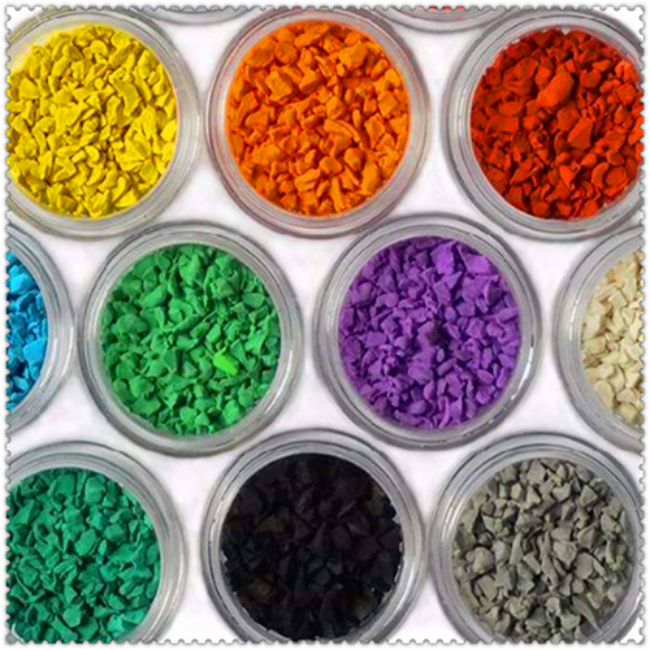
How to Evaluate and Select EPDM for Running Track
To avoid costly mistakes, procurement managers and contractors must look beyond the price per kilogram. Use this technical checklist to evaluate suppliers:
1. The Raw Material Purity Test
Ask for the % of Virgin EPDM Polymer Content. Premium suppliers often guarantee ≥20% . Avoid: Any product that cannot specify its polymer content or admits to using recycled tire rubber (SBR). A simple "white paper rub test"—scraping the granule on a white surface to check for carbon black residue—can quickly indicate the presence of cheap recycled material .
2. Verifying the “No-Odor” and Sulfur-Free Tech
Traditional EPDM often uses sulfur vulcanization. Under high heat and UV, sulfur compounds decompose, releasing sulfuric gases (that "tire smell") and causing the material to become brittle.
Look for: Sulfur-free or peroxide-cured EPDM. This technology eliminates off-gassing, enhances thermal stability, and extends lifespan significantly. Result: The product retains its molecular integrity longer, translating to a 3x increase in service life and maintaining performance levels without degradation .
3. The Density and Bulk Factor
Check the Bulk Density. High-quality irregular-shaped granules typically measure 0.65–0.75 kg/m³ . Why it matters: Proper bulk density allows for a lower stacking weight, which reduces transportation costs and ensures the granules interlock properly with the PU binder, creating a denser, more slip-resistant surface .
4. Performance Metrics (The "Specs")
Ask for the material's technical data sheet. Look for these baseline requirements:
Tensile Strength: ≥ 3.0 Mpa (for optimal durability) .
Elongation at Break: ≥ 450% (indicates flexibility and resistance to cracking) .
Hardness (Shore A): 55-65 (provides the optimal balance of cushioning and firmness) .
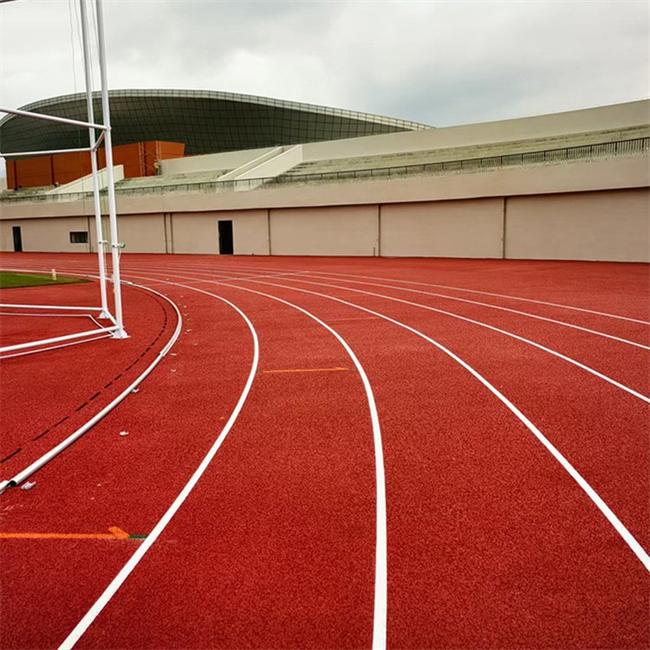
Practical Tips for Contractors and Purchasers
Demand the "Test Pad": Before signing off on a large EPDM for running track order, require the supplier to produce a small "mock-up" test pad on-site. Test this pad for rebound and resistance. If it delaminates or feels "mushy" during the test, it won’t survive the warranty period .
Check granule Uniformity: Randomly measure 50-100 granules. Dimension deviation should be ≤ ±0.5mm. Poorly graded granules result in uneven porosity, which collects dirt and affects water permeability .
Inspect the Warehouse: A reliable manufacturer will store raw materials properly (away from moisture and extreme heat). A messy, contaminated factory surface often indicates a lack of quality control .
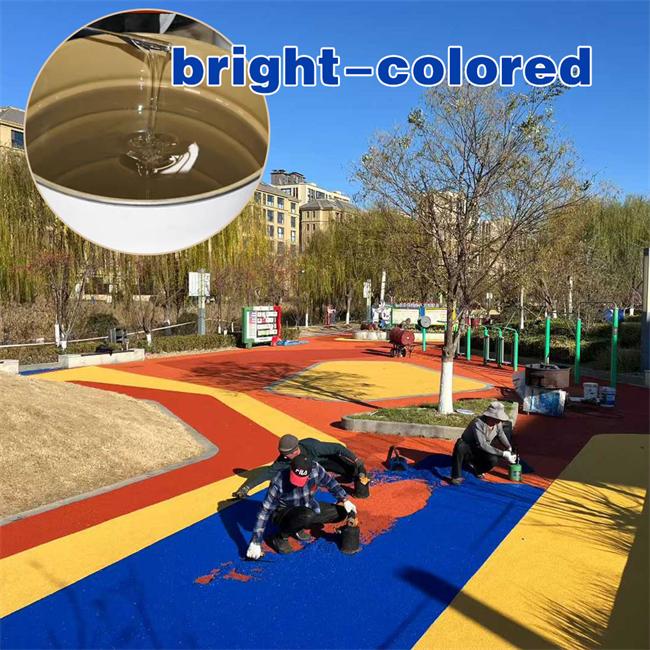
Why Advanced EPDM Surpasses Standard Options
In 2026, "EPDM for running track" no longer just means UV resistance; it means enhanced performance characteristics:
Up to 5x Retention Rate: Sulfur-free technology means the elastomer’s performance doesn’t degrade quickly, offering a 5x higher "performance retention rate" vs. standard EPDM.
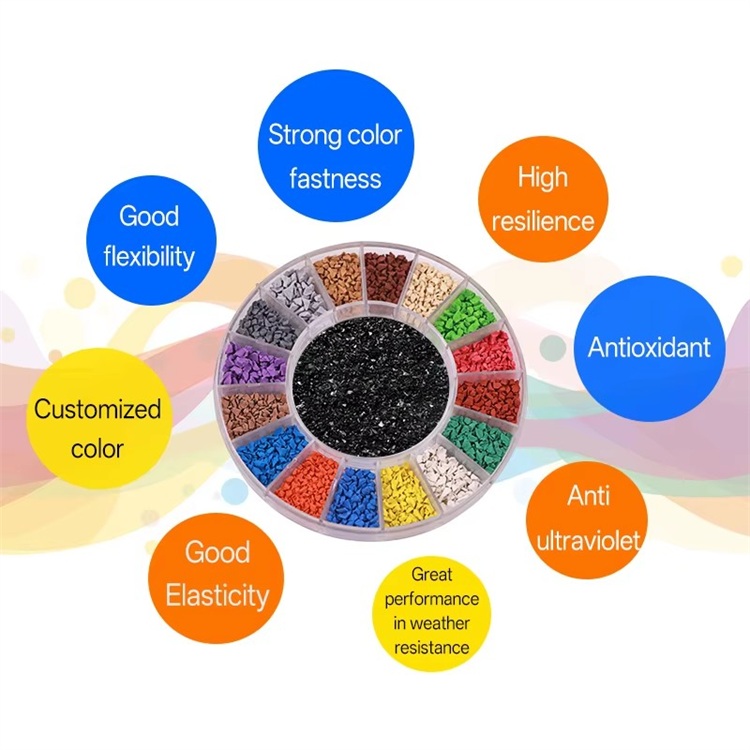
Anti-Oxidation & Vivid Color: Advanced formulations integrate antioxidants directly into the polymer matrix, preventing the chalky, faded look that plagues older tracks.
Environmental Granulation: The ability to support any color, any size (from 0.5mm to 5mm), without the constraints of minimum order quantities (No MOQ), allowing contractors to source exactly what the project requires without costly inventory overhead.
Frequently Asked Questions (FAQ)
Q: What is the difference between EPDM and SBR for running tracks?
A: EPDM is 100% virgin synthetic rubber, prized for its color stability and UV resistance, making it suitable for the top layer. SBR is recycled tire rubber, cheap, but fades quickly and becomes brittle within 2-3 years. Use SBR only as a base layer, if at all .
Q: How do I test if EPDM granules contain harmful recycled materials?
A: The "white paper test" works well: crush a granule and rub it against white paper. Recycled material leaves a dark, oily smear. Also, soak a sample in hot water; recycled material often emits a distinct sulfur or chemical odor .
Q: Can I use the same EPDM for running tracks in hot desert climates and cold northern regions?
A: Yes, but check the specifications. High-quality EPDM should withstand -50°C without cracking and maintain elasticity in high heat. Request the "low-temperature brittleness" test data to ensure suitability for your region .
Q: Is it okay to buy EPDM based on a low price?
A: Generally, no. Genuine EPDM raw materials are expensive. A price significantly below the market average is a red flag indicating the presence of reclaimed materials, low polymer content, or cheap fillers that will fail the required technical specifications .
Q: How long should EPDM running track surfaces last?
A: With proper installation and standard EPDM, expect 8-10 years. With advanced sulfur-free EPDM and excellent maintenance, a track can easily last 12-15+ years before needing major resurfacing .
Q: What does MOQ mean and why is it important?
A: MOQ stands for Minimum Order Quantity. Many large manufacturers require a minimum purchase, which can lock contractors into over-purchasing for smaller projects. Choosing a supplier with flexible or no MOQ allows you to procure exactly the quantity and color required for the specific job .

Selecting EPDM for running track surfaces is a complex decision that affects the safety, usability, and bottom line of a sports infrastructure project for decades. The track’s success is determined not by the cheapest granule on the market, but by the technical specifications of the material—its purity, density, and the sophistication of its curing process.
In a marketplace saturated with recycled alternatives, prioritizing pure, sulfur-free EPDM with verified performance data (Tensile Strength ≥ 3Mpa, High Elongation, and low bulk density) is non-negotiable. For contractors and procurement managers, a focus on these technical details ensures the project not only passes compliance but also operates as a profitable, low-maintenance asset for years to come.

WOW(LYG) New Material Co Ltd is a manufacturer specializing in the production of EPDM rubber granules. We use sulfur-free vulcanization technology, it increases the service life by more than 3 times than traditional EPDM granules, and enhances the performance, including anti-aging, high-temperature resistance, and colorfastness.
We have over 25 years of production experience and offer customization for colors and granule sizes. NO MOQ.


