 注: 建议图片大小150px*50px
丨
注: 建议图片大小150px*50px Views: 0 Author: Site Editor Publish Time: 2026-08-15 Origin: Site


For playground contractors, sports surfacing specialists, and municipal project managers, selecting high quality EPDM rubber granules is one of the most critical decisions affecting safety, durability, and lifecycle costs. Yet many buyers struggle with inconsistent color, premature aging, and supplier reliability issues that jeopardize entire projects.
This guide draws on over 25 years of manufacturing expertise to help you understand what truly defines quality EPDM granules, how to select the right product for your specific application, and how to avoid costly procurement mistakes.

What Are High Quality EPDM Rubber Granules?
EPDM (Ethylene Propylene Diene Monomer) rubber granules are synthetic elastomer granules used as the primary surfacing material for wet-pour playgrounds, running tracks, and safety surfacing systems. High quality EPDM rubber granules are distinguished by their chemical composition, manufacturing process, and performance characteristics.
The key differentiator lies in the curing system. Traditional EPDM granules often incorporate sulfur-based vulcanization agents, which can decompose under UV exposure and high temperatures, releasing odorous compounds and accelerating degradation. Premium EPDM granules utilize sulfur-free technology, which stabilizes the molecular structure and delivers significantly enhanced durability.
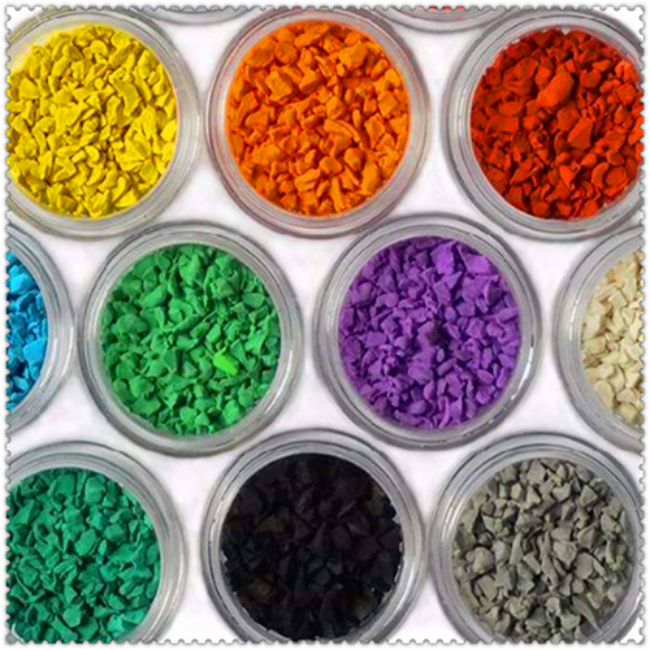
What makes EPDM granules "high quality"?
- UV stability: Resistance to fading and degradation from solar exposure
- Color consistency: Uniform pigmentation across all batches
- Tensile strength: Typically 4–7 MPa for premium products
- Elasticity recovery: Maintains cushioning properties over years of use
- Environmental compliance: Non-toxic, odorless, and free from heavy metals

Applications of Colored EPDM Rubber Granules
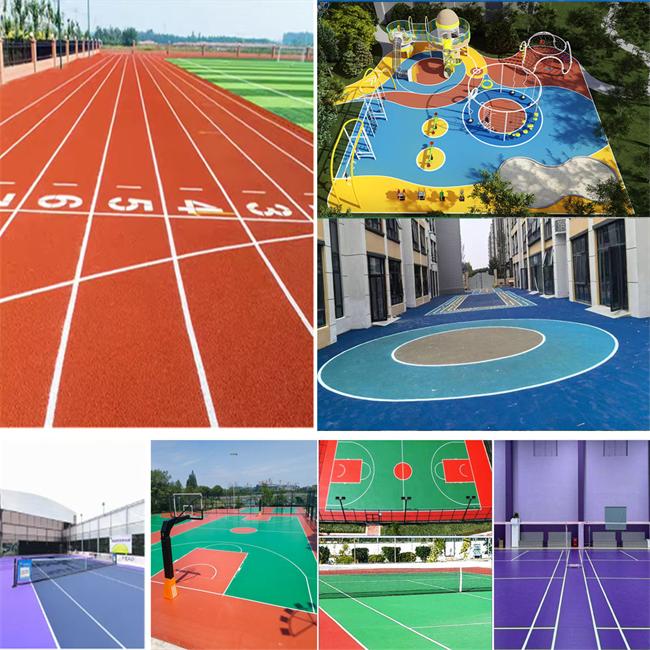
High quality EPDM granules serve diverse applications across multiple sectors:
Playground Safety Surfacing: Wet-pour EPDM systems provide critical fall protection for children's play areas in schools, kindergartens, parks, and municipal facilities. The material's shock absorption properties reduce injury risk while the vibrant colors create engaging environments.
Athletic Tracks: Running tracks require granules with optimal elasticity and grip. EPDM surfaces offer consistent performance across temperature ranges and maintain their properties under heavy foot traffic.
Sports Courts: Multi-sport facilities benefit from EPDM's durability and slip resistance. The material withstands the demands of basketball, tennis, and other court sports while providing comfortable underfoot feel.
Public Walkways and Recreational Areas: Parks, splash pads, and walking paths utilize EPDM for its aesthetic appeal, drainage properties, and long-term durability.
Commercial and Municipal Projects: Shopping centers, corporate campuses, and government buildings increasingly specify EPDM surfacing for its low maintenance requirements and design flexibility.
Key Benefits of Premium EPDM Granules
Extended Service Life
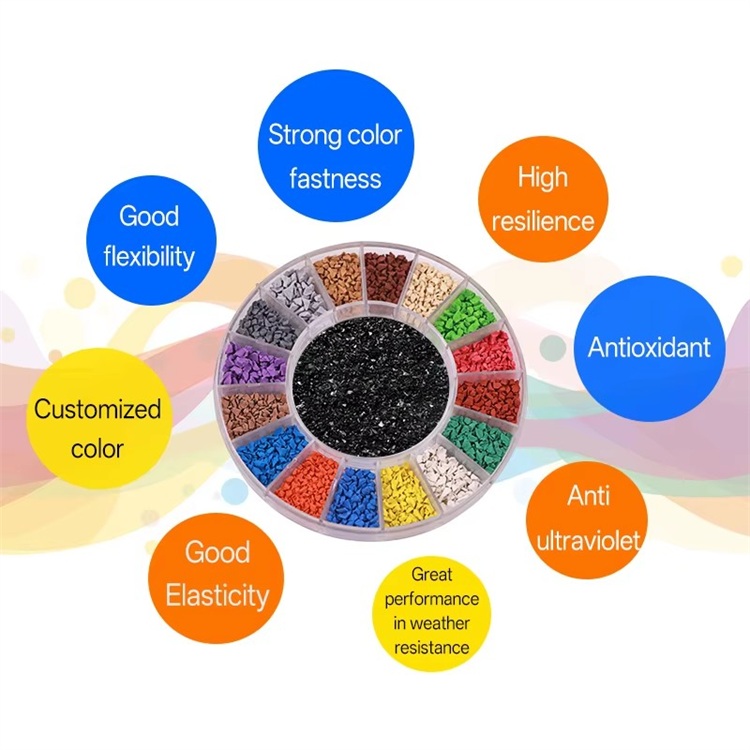
The sulfur-free formulation used in high-quality EPDM rubber granules dramatically extends product lifespan. Without sulfur compounds, the material resists the oxidative breakdown that typically causes traditional EPDM to harden, crack, and lose elasticity. Industry data indicates sulfur-free EPDM can achieve more than three times the service life of conventional alternatives.
Superior Color Retention
Color stability is paramount for aesthetic projects. Premium EPDM granules incorporate advanced pigments and UV-stabilizing additives that maintain vibrancy even after years of outdoor exposure. While all colored surfaces eventually show some fade, quality granules retain their appearance far longer than budget alternatives.
Enhanced Elasticity and Shock Absorption
Tensile strength values of 4–7 MPa and excellent elongation at break characterize high-quality EPDM products. This translates to superior impact attenuation, better performance recovery after compression, and improved safety for playground applications.
Environmental Safety
Modern high-quality EPDM granules meet stringent environmental standards including REACH, RoHS, and EN71 compliance. Sulfur-free production eliminates the risk of sulfuric acid formation during degradation, ensuring the material remains safe throughout its lifecycle.
Common Challenges with EPDM Granules
Color Fading and Inconsistency
Many contractors report color mismatch between batches or rapid fading after installation. These issues typically stem from low-quality pigments, inadequate UV stabilizers, or inconsistent manufacturing processes. Partnering with a manufacturer that maintains strict color control protocols is essential.
Poor Binder Compatibility
EPDM granules must bond effectively with polyurethane binders to create a cohesive surface. Compatibility issues can cause delamination, reduced strength, and premature failure. Premium manufacturers formulate their granules specifically for optimal binder adhesion.
Contamination with Recycled Material
Some suppliers blend virgin EPDM with recycled rubber to reduce costs. This compromises performance, introduces contaminants, and often creates unpleasant odors. Reputable manufacturers maintain full transparency about their raw material sources.
How to Choose the Right EPDM Granules for Your Project
Granule Size Selection
Different applications require different granule dimensions:
- 0.5–1.5mm: Ideal for detailed patterns, logos, and smooth finishes
- 1–3mm: Standard for most playground surfaces and general applications
- 2–4mm: Recommended for running tracks and high-traffic areas requiring greater texture
Consider both the aesthetic requirements and functional demands of your project when selecting size.
Color Selection and Customization
Most projects benefit from color matching to existing design schemes or corporate branding. Leading EPDM manufacturers offer customization options including:
- RAL and Pantone color matching
- Custom color development from customer samples
- Multi-color combinations for creative designs
PU Binder Ratio Considerations
The ratio of EPDM granules to polyurethane binder significantly affects surface performance. For most outdoor applications, a 22% binder ratio provides optimal balance between elasticity and durability. Higher ratios (25%+) may be specified for heavy-use areas, while lower ratios (18–20%) can suffice for temporary installations.

Technical Specifications of High Quality EPDM Rubber Granules
Key Performance Parameters
granule Density: Premium EPDM granules exhibit low bulk density, typically around 0.57 g/cm³, which reduces material consumption and shipping costs.
Tensile Strength: Values of 4–7 MPa indicate superior material integrity and resistance to tearing.
Hardness: Shore A values between 55–65 provide optimal cushioning without excessive softness that compromises durability.
Elongation at Break: High elongation values (typically 350–650%) indicate good flexibility and recovery properties.
Physical Characteristics
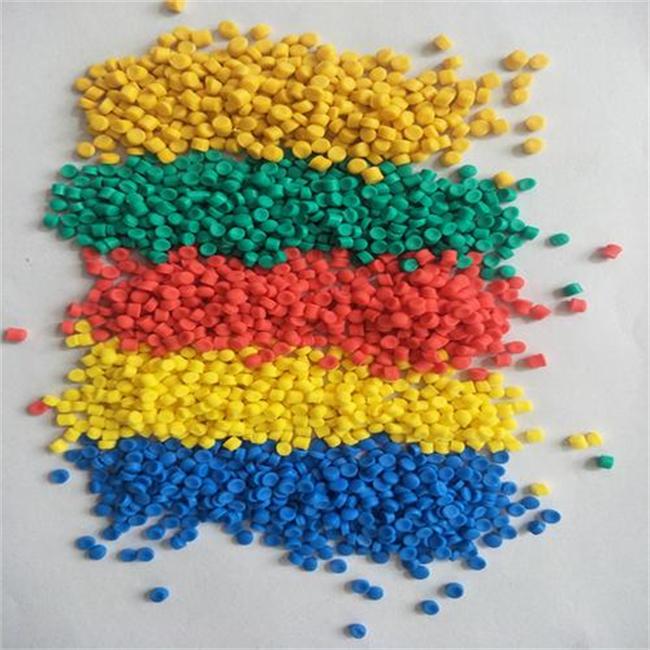
Quality granules feature angular, cubical granule shapes rather than rounded forms. This "three-dimensional" morphology creates better interlocking within the binder matrix and contributes to more stable surfaces. Low bulk density also facilitates easier mixing and application.

Why Global Buyers Choose Our EPDM Granules
Sulfur-Free Technology Advantage
Our manufacturing process eliminates sulfur from the formulation, delivering measurable performance improvements:
- More than 3x extended service life compared to sulfur-cured alternatives
- 2–3x greater tensile strength and elasticity (4–7 MPa)
- 5x better performance retention over time
- Enhanced anti-aging and oxidation resistance
- Superior high-temperature performance
- Odorless even under extreme UV exposure and heat
Complete Customization Capabilities
Unlike manufacturers that offer only standard products, we provide comprehensive customization options:
- Colors: RAL matching, Pantone matching, customer sample matching, custom color development
- Sizes: 0.5–1.5mm, 1–3mm, 1–4mm, 2–4mm, and other specifications
- Packaging: Custom bag printing, various container sizes, palletization options
- Branding: Private label and OEM options available
Flexible Order Quantities
With no minimum order quantity (MOQ), we support projects of any scale—from small contractor orders to large-scale municipal contracts. Container consolidation options include full container load (FCL) and less than container load (LCL) shipping.
Quality Assurance
Our production follows rigorous quality control protocols with comprehensive testing for color consistency, granule size distribution, tensile strength, and environmental compliance.

Manufacturer Insights: Professional Guidance from the Factory Surface
Selecting the Right granule Size
For playground surfacing requiring fine detail work or complex patterns, choose 1–3mm granules. For running tracks and heavy-traffic areas where texture and slip resistance are paramount, 2–4mm provides better performance. When in doubt, request samples of both sizes for testing.
Color Selection Strategy
Consider the expected UV exposure level for your project. Darker colors generally show less visible fading than bright yellows or light pastels. If you require bright or light colors for a high-sun environment, confirm with your supplier that specific UV stabilization has been applied to those pigments.
Binder Selection Guidance
When using polyurethane binders with EPDM granules, choose aliphatic (UV-stable) binders for light colors and bright shades to prevent yellowing. Aromatic binders may be acceptable for dark colors but can cause discoloration in whites, yellows, and bright blues.
Quality Verification
When evaluating potential suppliers, request test reports for tensile strength, elongation, hardness, and ash content. Ask about their quality control procedures, batch traceability, and pigment sources. A reputable manufacturer will provide this information readily.
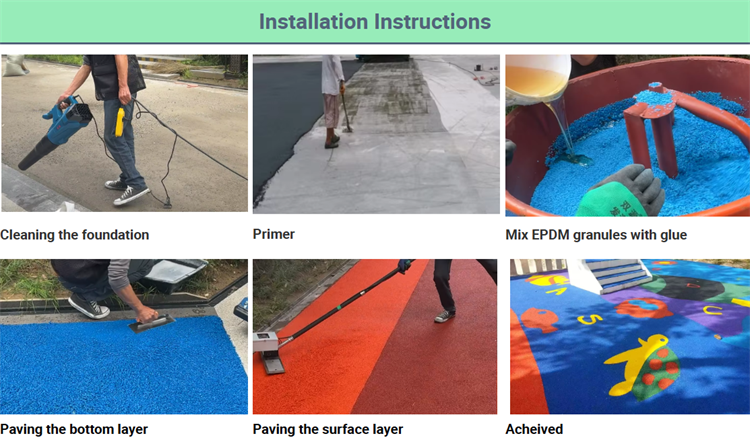
FAQ: EPDM Granules Procurement and Installation
What granule size should I choose for my playground project?
For most playground applications, 1–3mm granules are recommended for their smooth finish and suitability for fine patterns. For areas requiring more texture, such as track surfaces or high-traffic zones, 2–4mm provides better grip and durability.
How can I tell if EPDM granules will fade?
Quality indicators include UV stabilization additives and premium pigments. Request accelerated weathering test data from potential suppliers and ask about their specific UV protection measures. Darker colors generally maintain appearance longer than bright or light shades.
Can you customize colors to match my project requirements?
Yes. Leading manufacturers offer RAL matching, Pantone matching, and custom color development from customer samples. This ensures perfect integration with existing design schemes or branding requirements.
How much PU binder do I need?
A 22% binder ratio (by weight) is standard for most outdoor applications. Adjust based on use: 18–20% for temporary installations, 25%+ for heavy-traffic areas. Always follow your supplier's specific recommendations.
How long will high-quality EPDM surfaces last?
Sulfur-free EPDM granules can provide more than three times the service life of conventional formulations—typically 10–15 years depending on traffic levels and maintenance. This extended lifespan significantly reduces lifecycle costs.
What certifications should I look for?
Seek products compliant with REACH, RoHS, and EN71 safety standards. For playground applications, confirm fall attenuation ratings appropriate for your use case. ISO 9001 quality management certification indicates consistent manufacturing quality.
What is the difference between virgin and recycled EPDM?
Virgin EPDM uses 100% new raw materials and provides consistent performance, reliable color, and predictable durability. Recycled content often introduces contaminants, inconsistent properties, and potential odor issues. For critical installations, specify virgin material.
Is there a minimum order quantity?
Not necessarily. Many premium manufacturers offer flexible ordering with no MOQ, supporting both small and large projects.
How should EPDM granules be stored?
Store in a cool, dry location away from direct sunlight. Properly stored granules have a shelf life of 24 months under recommended conditions. Protect from moisture to maintain performance.
Selecting high quality EPDM rubber granules requires careful consideration of technical specifications, application requirements, and supplier capabilities. The most successful projects result from partnering with manufacturers that understand both material science and real-world construction demands.
By prioritizing sulfur-free technology, UV stability, and consistent quality control, project stakeholders can achieve surfaces that maintain their appearance, safety properties, and structural integrity for decades. The right supplier relationship ensures not only quality materials but also technical support, flexible ordering, and global shipping capability.

For professional guidance on your specific EPDM project requirements—including technical specifications, color matching, and sample requests—contact our team to discuss your needs.
WOW(LYG) New Material Co Ltd is a manufacturer specializing in the production of EPDM rubber granules. We use sulfur-free vulcanization technology, it increases the service life by more than 3 times than traditional EPDM granules, and enhances the performance, including anti-aging, high-temperature resistance, and colorfastness.
We have over 25 years of production experience and offer customization for colors and granule sizes. NO MOQ.


