 注: 建议图片大小150px*50px
丨
注: 建议图片大小150px*50px Views: 0 Author: Site Editor Publish Time: 2026-08-26 Origin: Site


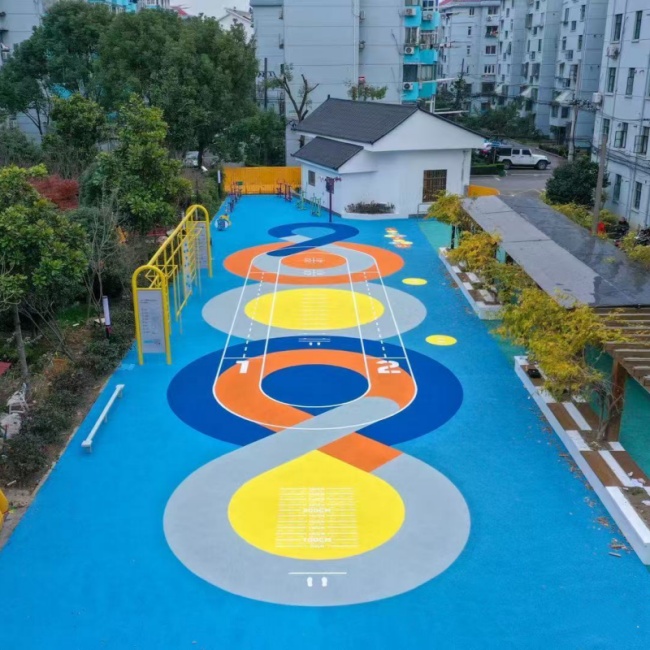
Particle size directly determines surface texture and performance, while color defines visual appeal and UV stability. Smaller particles (0.5–1.5 mm) create smooth, dense surfaces ideal for detailed designs and high-traffic areas. Larger particles (3–5 mm) provide textured, slip-resistant surfaces better suited for running tracks and impact absorption zones. Color affects not just aesthetics but also UV resistance—lighter colors reflect sunlight and fade less visibly, while certain pigments require higher-grade UV stabilizers to maintain vibrancy over time.
How Particle Size Shapes Surface Appearance
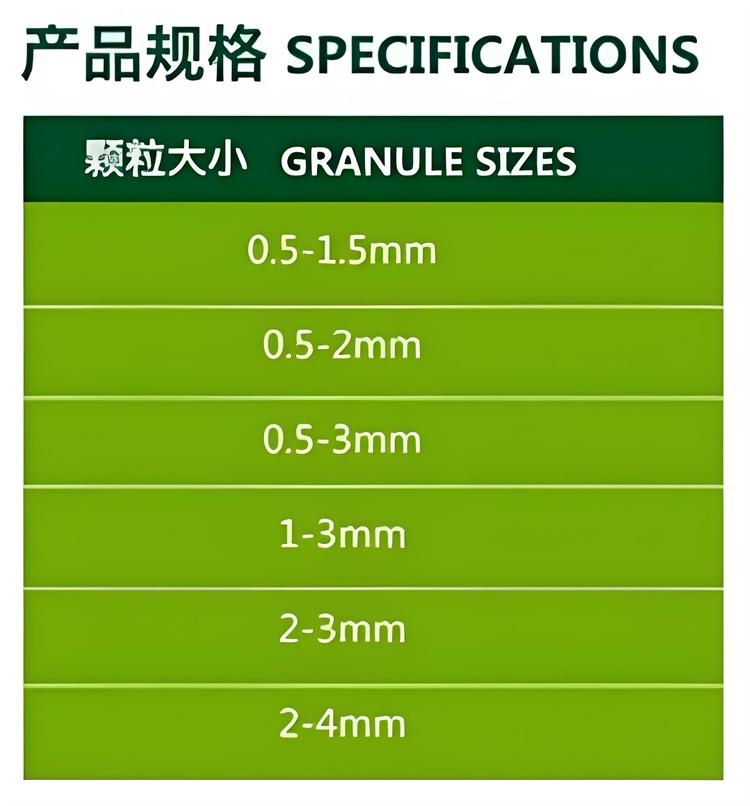
EPDM granules are manufactured in various size ranges, typically 0.5–1.5 mm, 1–3 mm, 2–4 mm, and 3–5 mm. Each range produces distinct visual and functional characteristics.
Fine granules in the 0.5–1.5 mm range create a smooth, almost seamless surface finish. This particle size is commonly used for infill applications and surfaces where a polished, uniform appearance is desired. The tight packing of smaller particles reduces voids, resulting in a denser surface that feels softer underfoot—ideal for playground safety surfaces and decorative flooring.
Medium granules ranging from 1 to 3 mm represent the most versatile category. They balance texture with density, making them suitable for a wide range of applications from running tracks to multi-use sports courts. The surface retains moderate texture for slip resistance while remaining relatively smooth to the touch.
Larger granules in the 3–5 mm range produce a more open, textured surface with visible particle definition. This creates higher slip resistance and better drainage, making these granules ideal for outdoor running tracks, high-impact zones, and areas exposed to heavy rain. The open structure also provides superior shock absorption.
The angular shape of properly manufactured granules—achieved through precise cutting and sieving—enhances interlocking and surface integrity. Angular particles bind more effectively with polyurethane binders, reducing the risk of loose granules over time.
How Color Affects Appearance and Longevity
Color influences surface appearance in two ways: initial visual impact and long-term color retention.
UV stability is perhaps the most critical color-related factor for outdoor EPDM applications. Without adequate UV stabilization, colors fade and shift over time due to prolonged sunlight exposure. Premium EPDM granules incorporate high-performance UV stabilizers and pigments that maintain color integrity. Independent testing has shown that advanced formulations can exceed standard requirements—achieving gray scale ratings of 4–5 (scale of 1–5) after 2,550 hours of UVA exposure, far surpassing the ≥3 minimum required by standards like EN 14877.
Color choices also carry practical implications. Dark colors such as black, dark blue, and dark green absorb more heat and may show surface temperature increases in hot climates. However, they conceal dirt and minor wear more effectively. Bright colors including red, yellow, and orange offer high visibility for safety-critical areas but typically require more robust UV protection to prevent fading. Light colors like white, beige, and light grey reflect more sunlight, reducing surface heat buildup, but they show staining and require more maintenance to keep clean.

Practical Considerations
For Engineers and Specifiers
When specifying EPDM granules, consider these factors:
Application-driven selection is paramount. The intended use dictates both size and color requirements. For professional running tracks, 3–5 mm red granules are common due to their slip resistance and visibility. For children's playgrounds, 1–3 mm bright colors create engaging, safe surfaces. Multi-use facilities may require different specifications for different zones.
Performance consistency depends on uniform particle size distribution. Look for products with tight sieve analysis tolerances—for example, a 1–4 mm granule should have controlled percentages across each size fraction. Reputable suppliers provide detailed sieve analysis data.
Compatibility with binders varies by particle size. Fine granules may need more binder to achieve proper coating, while larger particles typically require less. The standard binder-to-granule ratio is approximately 1:6 by weight, though this varies by application.
For Procurement Professionals
Color consistency across batches deserves attention. Natural variations in raw materials can cause minor color deviations between production batches. Professional suppliers recommend mixing granules from multiple batches during installation to ensure uniform appearance.
EPDM content matters for durability and color stability. Higher polymer content, generally 20% or above, typically indicates better durability, elasticity, and color stability. Some suppliers offer granules with EPDM content ranging from 14% to 40%, with higher content commanding premium pricing but delivering superior long-term performance.
Storage conditions should not be overlooked. EPDM granules should be stored in a dry, cool environment, away from direct UV exposure, to preserve color stability before installation.
EPDM Granules Selection
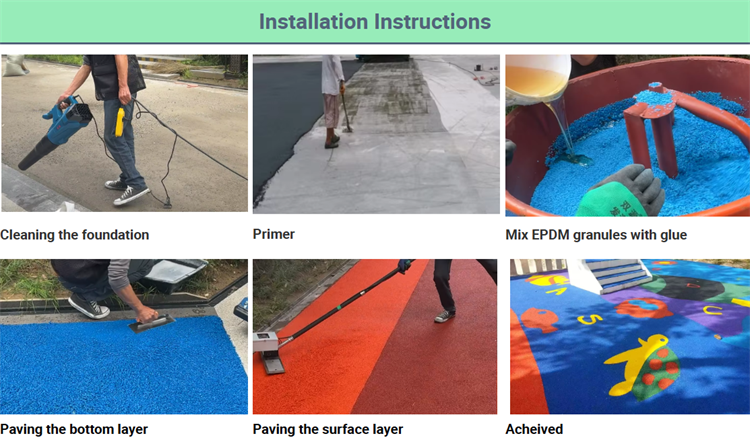
Selecting the right EPDM granules requires matching specifications to project requirements across different applications.
For running tracks, 3–5 mm granules are the standard choice, with red and blue being the most common colors due to their high visibility and slip-resistant texture. Playground safety surfacing typically uses 1–3 mm granules in bright, engaging colors that appeal to children while providing the necessary impact absorption. Multi-use sports courts often benefit from 1–3 mm granules in contrasting colors that facilitate line marking and zone differentiation.
For artificial turf infill, finer 0.5–1.5 mm granules are preferred, often in green or color-matched to the turf itself. Decorative flooring applications typically call for 0.5–2 mm granules in custom colors and blends to achieve specific design effects.
When evaluating suppliers, prioritize those who offer consistent particle size distribution with documented sieve analysis, verified UV resistance test results according to ISO or ASTM standards, custom color matching capabilities, transparent specifications on polymer content and raw materials, and production capacity with reliable lead times for project deadlines.

FAQ
Does smaller particle size always mean better surface quality?
No. Smaller particles create smoother surfaces, but larger particles provide better slip resistance and drainage. The "best" size depends entirely on the application.
How long do EPDM colors last outdoors?
UV-stable EPDM granules maintain color integrity for 5–10 years under normal conditions. Premium products with advanced UV stabilizers can exceed this significantly, maintaining appearance even after 5,000 hours of accelerated weathering testing.
Can EPDM granules be mixed to create custom colors?
Yes, different colored granules can be blended to achieve custom color combinations. Some suppliers offer pre-blended color options like earth blends, fire blends, and water blends for aesthetic design flexibility.
Do different colors affect EPDM performance?
Performance characteristics such as elasticity, durability, and weather resistance are determined by the rubber formulation, not the color. However, color does affect heat absorption and requires different levels of UV stabilization for long-term appearance.
What is the minimum order quantity for custom colors?
This varies by supplier. Many manufacturers require minimum orders ranging from 1 to 5 tons for custom colors, but some offer flexible quantities, especially for standard colors stocked in inventory.
Does EPDM content percentage affect color stability?
Generally, higher EPDM content (20% or above) correlates with better overall durability and color retention. However, color stability primarily depends on the quality of UV stabilizers and pigments used in the formulation.
How can I verify the UV resistance of EPDM granules?
Request test reports from independent laboratories showing gray scale results after specified UVA exposure durations. Standards like EN 14877 require a minimum of ≥3 on the gray scale after 2,550 hours of exposure.
What causes color fading in EPDM surfaces?
UV radiation breaks down the chemical bonds in pigments over time. Inadequate UV stabilizers, low-quality pigments, and insufficient EPDM content can accelerate fading. In hot climates, using a UV-resistant polyurethane topcoat can provide additional protection.

Particle size and color are not merely aesthetic considerations for EPDM surfaces—they directly affect safety, performance, and longevity. Choosing the right combination requires understanding your specific application requirements, environmental conditions, and performance expectations.
Whether you need a smooth, colorful playground surface or a textured, high-durability running track, the right EPDM granules deliver both visual appeal and reliable performance for years to come.
If you are planning a project and need guidance on selecting the optimal granule size, color, or specification, our team with over 25 years of industry experience can help. We offer custom color matching, flexible particle sizes, and transparent specifications—including documented UV resistance and performance data. Contact us to discuss your EPDM rubber granule requirements.

WOW(LYG) New Material Co Ltd is a manufacturer specializing in the production of EPDM rubber granules. We use sulfur-free vulcanization technology, it increases the service life by more than 3 times than traditional EPDM granules, and enhances the performance, including anti-aging, high-temperature resistance, and colorfastness.
We have over 25 years of production experience and offer customization for colors and granule sizes. NO MOQ.


