 注: 建议图片大小150px*50px
丨
注: 建议图片大小150px*50px Views: 0 Author: Site Editor Publish Time: 2026-07-29 Origin: Site


EPDM Rubber Granules for Contractors & Buyers
For playground contractors, sports surfacing installers, and municipal project managers, selecting the right jogging track surface is a critical decision. The market is flooded with options, but EPDM (Ethylene Propylene Diene Monomer) rubber granules have emerged as the industry standard for creating durable, safe, and aesthetically pleasing running tracks and playgrounds.
However, sourcing high-quality EPDM is not without its challenges. Procurement managers and engineers often face issues like inconsistent color batches, rapid UV fading, poor elasticity, and strong chemical odors from sulfur-based compounds. This guide is designed to help global buyers, importers, and construction companies navigate these technical details, avoid common procurement pitfalls, and understand why advanced sulfur-free EPDM technology is revolutionizing the sports surfacing industry.

What is an EPDM Jogging Track Surface?
An EPDM jogging track surface is a seamless, poured-in-place rubber surfacing system. It is created by mixing high-quality EPDM rubber granules with a polyurethane (PU) binder and troweling the mixture onto a stable base (usually asphalt or concrete).
Unlike prefabricated rolls, EPDM surfaces are custom-manufactured on-site. This allows for complete design flexibility, enabling contractors to create multi-colored patterns, school logos, and specific safety zones without seams. The standard construction typically involves a cushioning base layer (often using SBR black granules for cost-efficiency) topped with a wearing course of colored EPDM granules.
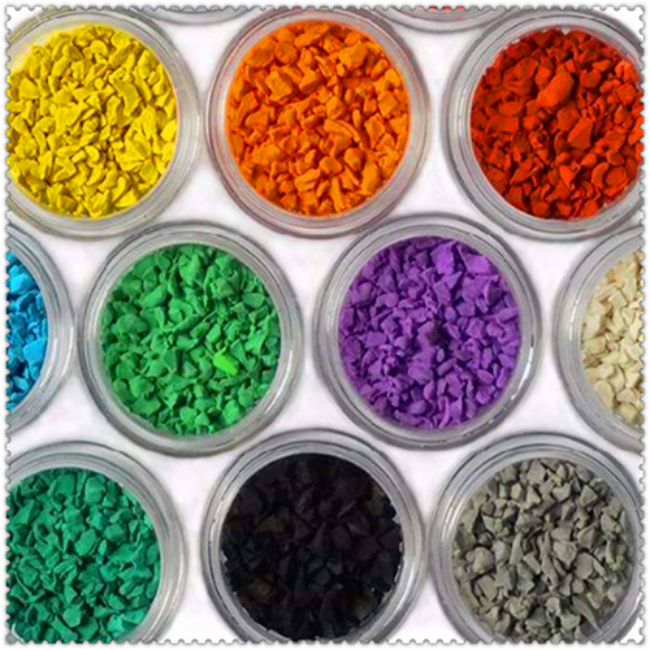
Why Engineers and Contractors Choose EPDM
The shift toward EPDM in municipal and commercial projects is driven by its superior performance metrics compared to traditional materials like acrylic or asphalt.
Shock Absorption and Safety: EPDM surfaces offer excellent impact attenuation. For jogging tracks and playgrounds, this means reduced stress on athletes' joints and a safer landing surface for children, significantly lowering the risk of injury from falls.
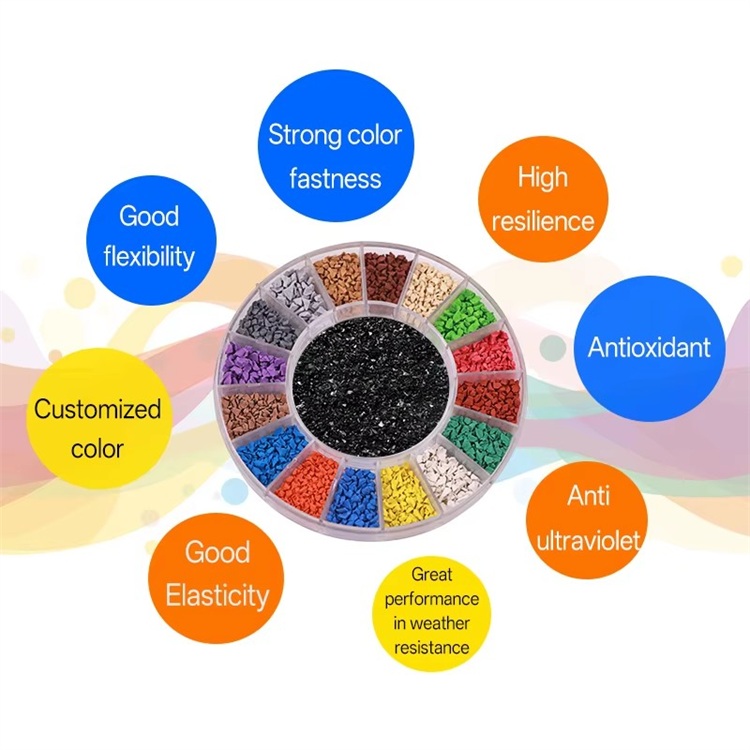
All-Weather Durability: High-quality EPDM is resistant to UV radiation, ozone, and extreme temperature fluctuations. It remains flexible in freezing winters and stable in scorching summers, preventing the cracking and brittleness often seen in inferior rubber products.
Permeability and Drainage: The porous nature of EPDM granules allows water to drain through the surface rapidly. This prevents puddles and allows the track to be used almost immediately after heavy rain, a crucial feature for public parks and school facilities.
Design Versatility: With a wide spectrum of colors available, landscape architects can design vibrant, engaging environments that meet specific branding or zoning requirements.

The Game Changer: Sulfur-Free EPDM Technology
One of the most significant advancements in the industry is the move away from traditional sulfur-cured rubber. For buyers and engineers, understanding the difference between standard EPDM and advanced sulfur-free EPDM is vital for long-term project success.
Our manufacturing process utilizes a proprietary sulfur-free technology that addresses the most common complaints in the industry:
Zero Odor and Food-Grade Safety: Traditional rubber often contains sulfur, which can decompose under high heat and strong UV exposure to release sulfuric acid and unpleasant odors. Our sulfur-free EPDM granules are completely odorless and meet food-grade hygiene standards, making them the safest choice for kindergartens and indoor sports centers.
3x Longer Lifespan: The absence of sulfur results in a much more stable molecular structure. This stability translates to a lifespan that is over three times longer than conventional rubber, significantly reducing replacement costs for municipal contractors.
Superior Elasticity and Tensile Strength: The tensile strength of our EPDM granules reaches 4-7 MPa, which is 2-3 times higher than standard market options. This ensures the surface retains its bounce and structural integrity even under heavy foot traffic.
5x Performance Retention: While standard tracks may degrade quickly, our advanced formula maintains its physical properties and color vibrancy for significantly longer periods, offering a performance retention rate that is 5 times higher.
Enhanced UV and Oxidation Resistance: The molecular stability provides exceptional resistance to oxidation and UV rays. The colors remain vivid and do not fade or chalk, even after years of direct sunlight exposure.
High-Temperature Stability: The material performs exceptionally well in high-heat environments without softening or emitting volatile organic compounds (VOCs).
How to Choose the Right EPDM Granules
When sourcing materials for a jogging track surface, purchasing managers should look beyond the price per ton and evaluate the technical specifications.
Check the EPDM Content: The price of EPDM granules is directly linked to the percentage of pure rubber content. Low-cost options often contain high amounts of fillers (like calcium carbonate), which reduces elasticity and durability. For high-traffic jogging tracks, a higher EPDM content is essential.
Verify the granule Shape: High-quality granules should have a distinct, three-dimensional shape (often described as having strong "edges" or "corners"). This irregular shape ensures better interlocking with the PU binder, creating a stronger, more cohesive surface that resists granule loss.
Assess Bulk Density: A lower bulk density usually indicates a lighter, more porous, and elastic granule. Heavy, dense granules often signify excessive filler content.
Request Customization: Every project is unique. A reliable supplier should offer full customization of granule sizes (e.g., 0.5-2mm for spray coats, 1-4mm for trowel-down layers) and colors to match specific architectural designs.

Practical Tips for Installation and Maintenance
To ensure the longevity of the jogging track surface, proper installation is just as important as material quality.
Base Preparation: The concrete or asphalt base must be fully cured, clean, and dry. Any moisture trapped in the base can cause the rubber surface to bubble or delaminate.
Mixing Ratios: Strictly adhere to the recommended mixing ratio of EPDM granules to PU binder. Using too little binder will cause the granules to loosen over time, while too much can lead to a brittle surface.
Weather Conditions: Avoid installation during rain or when humidity is extremely high. The ideal temperature range for curing is typically between 15°C and 35°C.
Maintenance: EPDM tracks are low maintenance. Regular sweeping and occasional washing with water are usually sufficient. Avoid using harsh chemical solvents that could damage the rubber.
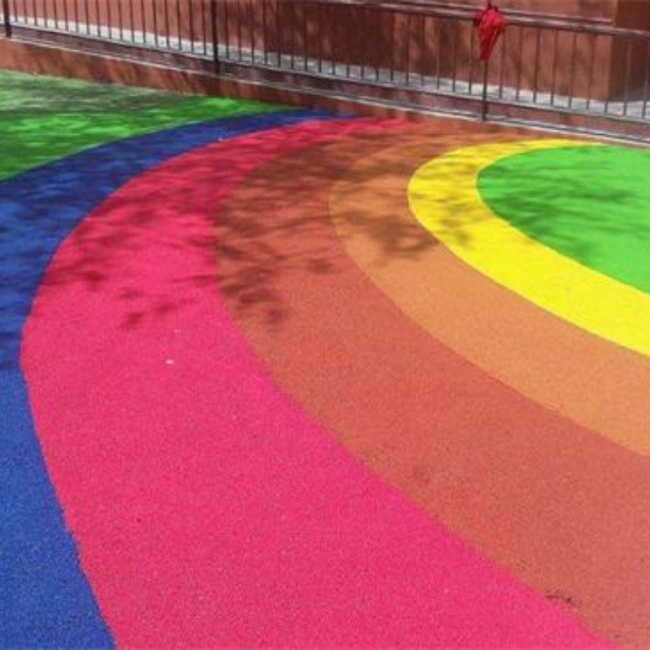
Why More Projects Are Switching to Advanced EPDM
The construction and landscaping industries are increasingly prioritizing sustainability and lifecycle costs. The initial investment in premium, sulfur-free EPDM is quickly offset by its durability, lack of maintenance, and safety benefits. For government procurement and large-scale distributors, the ability to source odorless, food-grade, and highly durable materials is a competitive advantage that ensures client satisfaction and regulatory compliance.
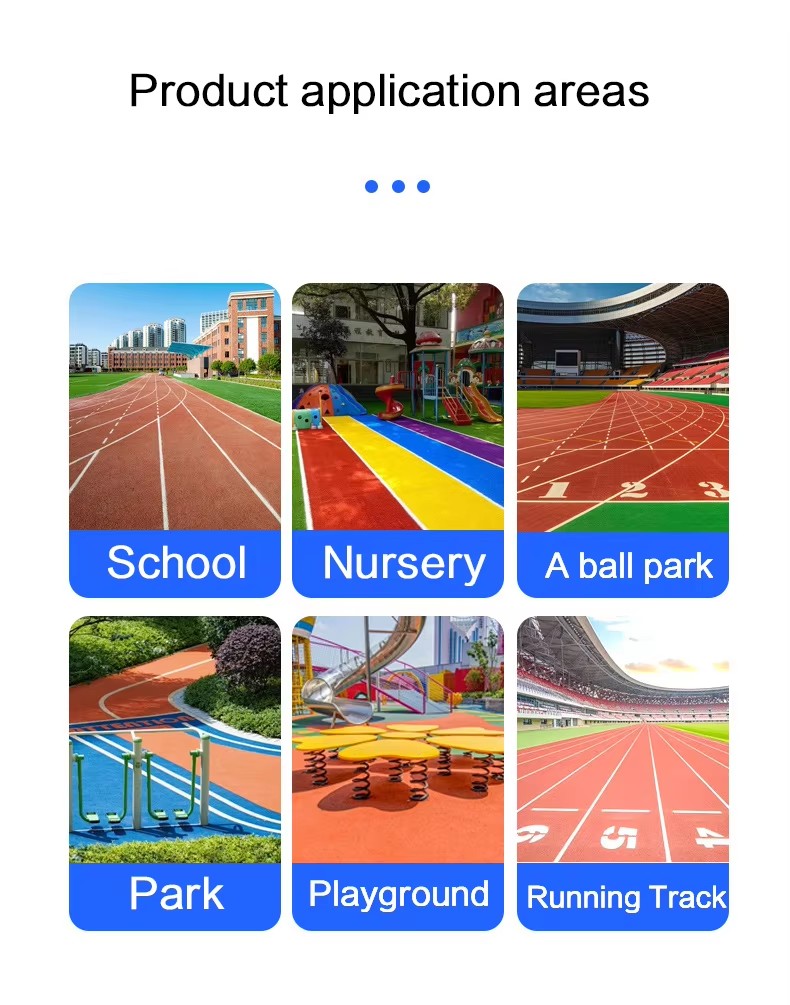
FAQ: Common Questions from Buyers and Contractors
1. What is the standard thickness for a jogging track surface?
The international standard for jogging tracks and sports surfaces is typically 13mm. This usually consists of a 8mm cushioning base layer and a 5mm wearing course of colored EPDM granules. However, thickness can be customized based on the specific impact absorption requirements of the project.
2. How can I test the quality of EPDM granules before placing a bulk order?
You can perform a simple "burn test" or "stretch test." High-quality EPDM should not produce black smoke or a strong, acrid smell when burned. Physically, the granules should be elastic; if you try to pull a piece apart, it should stretch and resist breaking rather than crumbling immediately. Additionally, ask for a sample to check for consistent color and lack of dust.
3. Is there a Minimum Order Quantity (MOQ) for custom colors?
Many traditional manufacturers require high MOQs for custom colors due to the setup costs of production lines. However, flexible manufacturers understand the needs of contractors and distributors. We offer a "No MOQ" policy, allowing you to order the exact amount of custom color or granule size you need for your specific project, reducing waste and storage costs.
4. Why does my current rubber track smell in the summer?
The strong "burnt rubber" smell often associated with cheap tracks is caused by sulfur and other volatile compounds used in low-grade vulcanization processes. When heated by the sun, these compounds off-gas. Our sulfur-free EPDM technology eliminates this issue entirely, ensuring the track remains odorless even in peak summer heat.
5. Can EPDM granules be used for indoor playgrounds?
Yes, absolutely. Because our EPDM granules are sulfur-free and meet food-grade hygiene standards, they are perfectly safe for indoor environments, schools, and hospitals where air quality and non-toxic materials are a priority.
6. How long does an EPDM jogging track last?
While standard rubber tracks might last 3-5 years before showing significant wear or fading, advanced sulfur-free EPDM surfaces can last significantly longer—often exceeding 10-15 years with proper maintenance, thanks to their superior UV and oxidation resistance.

Choosing the right jogging track surface is an investment in safety, aesthetics, and long-term value. By understanding the technical differences between standard rubber and advanced sulfur-free EPDM, contractors and buyers can make informed decisions that benefit their clients and their bottom line. With the ability to customize colors, granule sizes, and order quantities without the burden of high MOQs, sourcing premium EPDM has never been more accessible for global projects.

WOW(LYG) New Material Co Ltd is a manufacturer specializing in the production of EPDM rubber granules. We use sulfur-free vulcanization technology, it increases the service life by more than 3 times than traditional EPDM granules, and enhances the performance, including anti-aging, high-temperature resistance, and colorfastness.
We have over 25 years of production experience and offer customization for colors and granule sizes. NO MOQ.


