 注: 建议图片大小150px*50px
丨
注: 建议图片大小150px*50px Views: 0 Author: Site Editor Publish Time: 2026-07-31 Origin: Site


In the world of sports surfacing and playground construction, the durability and aesthetic appeal of an EPDM surface rely heavily on a single, often overlooked component: the PU Binder (Polyurethane Binder). For playground contractors, sports surfacing installers, and global purchasers, understanding the chemistry and application of PU Binder is not just technical—it is the key to project longevity and client satisfaction.
This guide is designed to help engineers, procurement managers, and distributors navigate the complexities of selecting the right PU Binder for EPDM rubber granules, ensuring your projects withstand the test of time and weather.
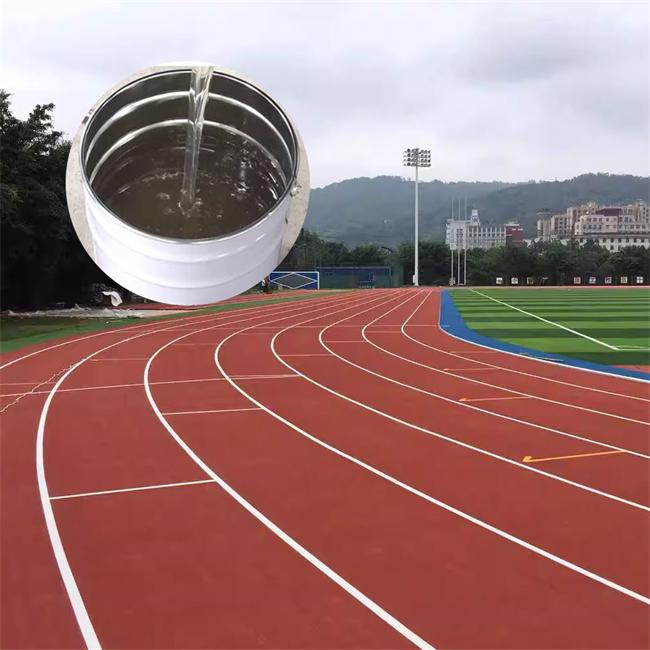
What is PU Binder and Why is it Critical for EPDM Surfacing?
PU Binder is a high-performance polyurethane adhesive used to bond EPDM rubber granules together. It acts as the "glue" that transforms loose rubber granules into a seamless, elastic, and durable surface.
For construction companies and municipal project contractors, the binder is the backbone of the surfacing system. It performs three critical functions:
Structural Integration: It creates a chemical bond between rubber granules, ensuring the surface acts as a unified layer that resists heavy foot traffic and athletic impact.
Shock Absorption: High-quality binders enhance the elasticity of the rubber, providing the necessary cushioning to protect athletes and children from injury.
Weather Protection: A superior binder seals the granules against moisture, UV rays, and chemical pollutants, preventing the surface from degrading or losing its color.
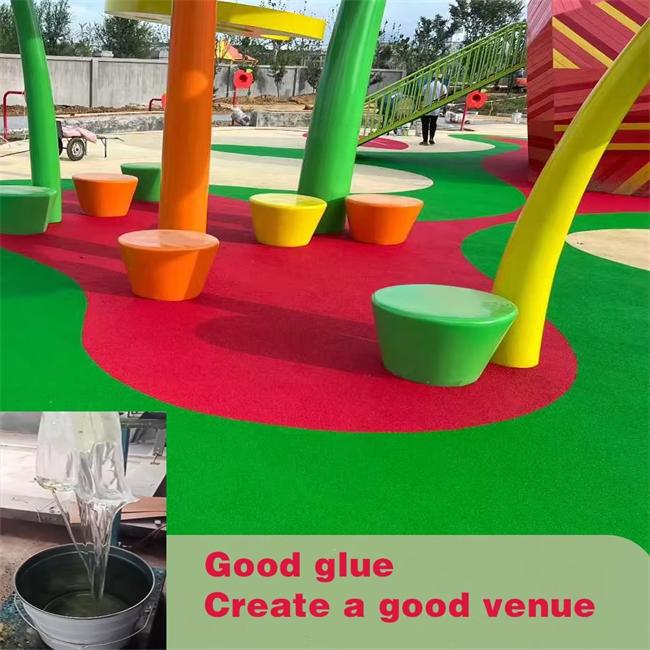
Aromatic vs. Aliphatic PU Binders: Solving the Yellowing Problem
One of the most common pain points for architects and purchasing managers is the "yellowing" effect on colored EPDM surfaces. This is directly related to the type of PU Binder used.
Aromatic Binders (MDI-based):
These are the industry standard due to their cost-effectiveness and strong bonding capabilities. However, they contain chemical structures that react to UV light, causing the binder itself to turn yellow over time. While this does not affect the structural integrity of the surface, it can alter the visual appearance, particularly in lighter colors like blue or grey.
Aliphatic Binders:
For projects where color retention is paramount—such as high-end kindergartens or branded sports courts—aliphatic binders are the solution. They are UV-stable and will not yellow, ensuring the EPDM granules retain their original vibrant color for years. While more expensive, they are the preferred choice for premium projects requiring strict aesthetic standards.
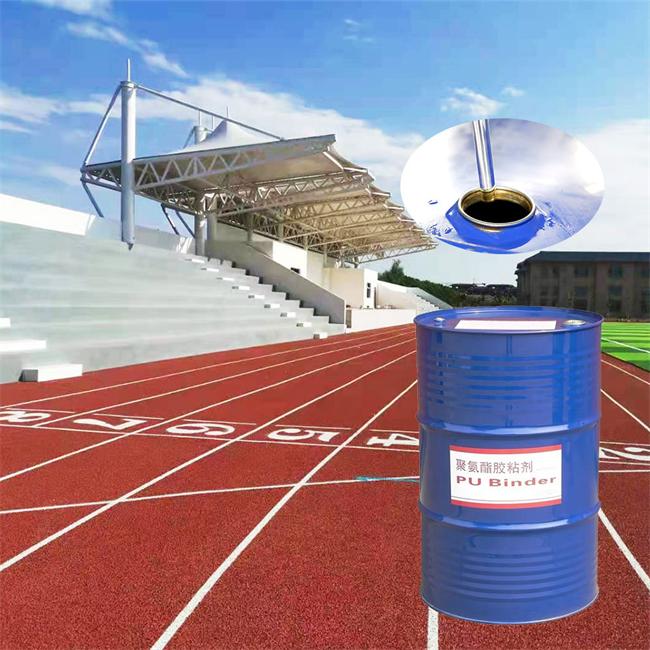
How to Choose the Right PU Binder for Your Project
When sourcing PU Binder for rubber granules, procurement officers and engineers should evaluate the following technical parameters to avoid costly mistakes:
1. Viscosity and Flowability
The viscosity (typically measured in CPS at 25°C) determines how easily the binder coats the rubber granules. A binder that is too thick will result in uneven mixing and weak spots, while one that is too thin may not provide sufficient bonding strength.
2. Curing Time and Conditions
Different projects require different curing speeds. In hot climates, a slower curing time allows contractors more working time to spread the material evenly. In cooler conditions, a faster cure is necessary to ensure the surface sets before nightfall. Always check the manufacturer's recommended temperature range (usually above 5°C) and humidity levels.
3. Solid Content and Purity
Low-quality binders often contain high levels of solvents or fillers to reduce costs. This compromises the bonding strength and leads to premature failure, such as granule detachment. High-solid-content binders ensure a stronger, more durable bond with less shrinkage.
Practical Tips for Contractors and Installers
To maximize the performance of your PU Binder and EPDM granules, follow these professional installation guidelines:
Precision Mixing is Non-Negotiable: The ratio of binder to granule is critical. A common ratio is 1:6 or 1:8 by weight, but this must be strictly adhered to. Using too little binder leads to loose granules, while too much can make the surface brittle.
Use Mechanical Mixers: For large areas, hand mixing is insufficient. Professional mechanical mixers ensure every single granule is evenly coated with the binder, preventing "dry spots" that lead to early wear.
Monitor Weather Conditions: PU binders are moisture-cure systems. High humidity can accelerate curing, while rain can ruin the surface. Avoid施工 during rainy weather or when the base is damp.
Avoid Excessive Diluents: Some contractors add solvents to make the binder go further. This is a dangerous practice that destroys the chemical structure of the polyurethane, leading to sticky, non-curing surfaces or significant loss of strength.
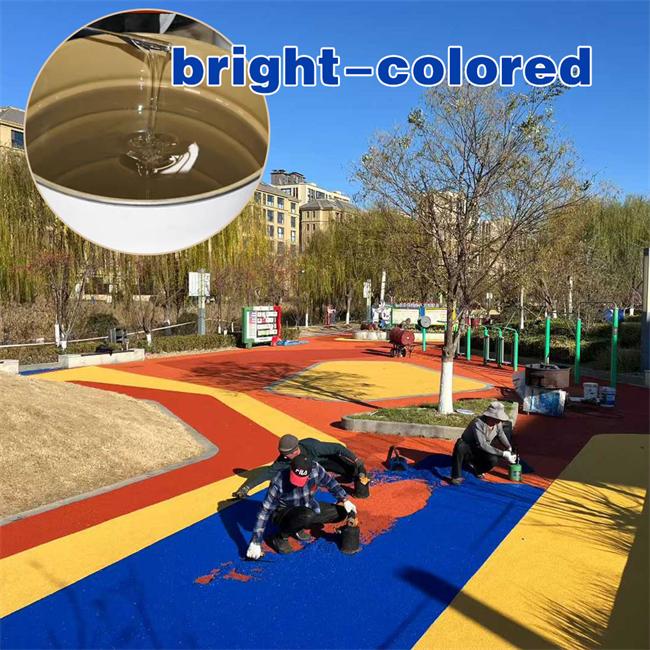
Why More Projects Are Choosing High-Quality EPDM Systems
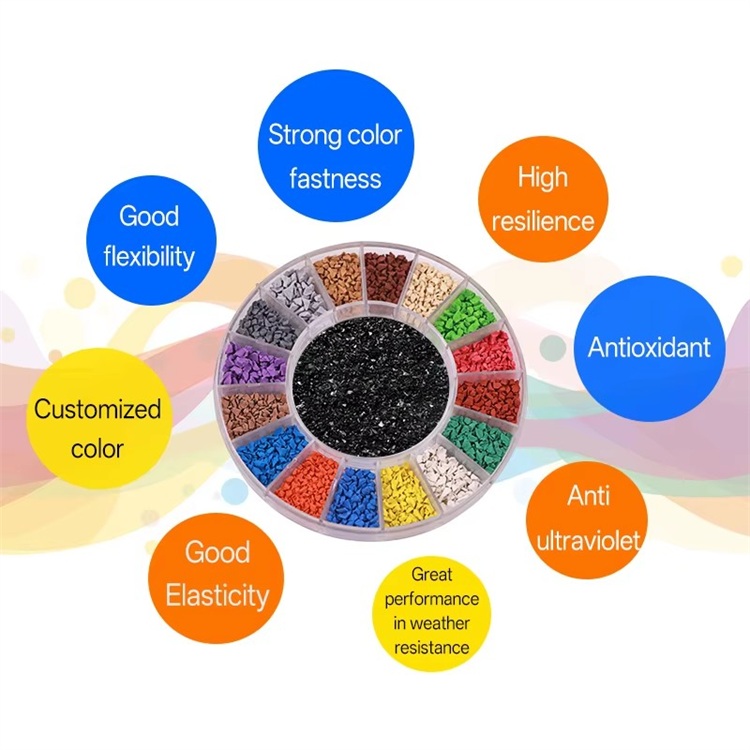
The global trend is shifting towards high-performance EPDM systems because they solve the traditional problems of rubber surfacing. Modern EPDM granules, when paired with the correct PU Binder, offer:
Superior UV and Weather Resistance: High-quality EPDM is inherently resistant to ozone and UV radiation, preventing fading and cracking.
Safety and Comfort: The combination of elastic granules and flexible binder creates a shock-absorbing surface that meets safety standards for fall heights in playgrounds.
Design Flexibility: With the ability to mix colors and create custom patterns, architects can design visually stunning landscapes that remain vibrant for years.
Low Maintenance: Once cured, the seamless surface prevents weed growth and is easy to clean, reducing long-term maintenance costs for facility managers.
FAQ: Questions Purchasers and Contractors Ask
1. What is the recommended mixing ratio for PU Binder and EPDM granules?
The standard ratio typically ranges from 1:6 to 1:8 (binder to granule) by weight. However, this can vary based on the granule size and the specific binder formulation. Always consult the technical data sheet (TDS) of your specific product.
2. Why is my EPDM surface turning yellow?
This is likely due to the use of an Aromatic (MDI) binder, which naturally yellows under UV exposure. If color stability is critical, you should specify an Aliphatic PU Binder, which is UV-resistant and non-yellowing.
3. How long does PU Binder take to cure?
Curing time depends on temperature and humidity. Generally, it takes 6 to 24 hours to cure sufficiently for foot traffic. Full chemical resistance and maximum strength are usually achieved after 7 days.
4. Can I use PU Binder in cold or wet weather?
It is not recommended. PU binders require moisture to cure, but standing water or rain during application will ruin the surface. Additionally, temperatures below 5°C significantly slow down the curing process and can affect the final bond strength.
5. What causes EPDM granules to detach or "shed" from the surface?
Granule shedding is usually caused by insufficient binder, poor mixing (dry spots), or the use of low-quality binder with high solvent content. It can also occur if the base surface was not properly prepared or primed.
6. Is there a difference between single-component and two-component PU Binders?
Yes. Single-component (1K) binders cure by reacting with moisture in the air and are easier to use. Two-component (2K) binders involve a chemical reaction between a resin and a hardener, offering faster cure times and higher strength, but requiring more precise mixing on-site.
7. How do I calculate how much PU Binder I need?
You need to calculate the total weight of the EPDM granules you plan to use and divide it by the mixing ratio. For example, if you have 1000kg of granules and a 1:8 ratio, you will need approximately 125kg of binder.
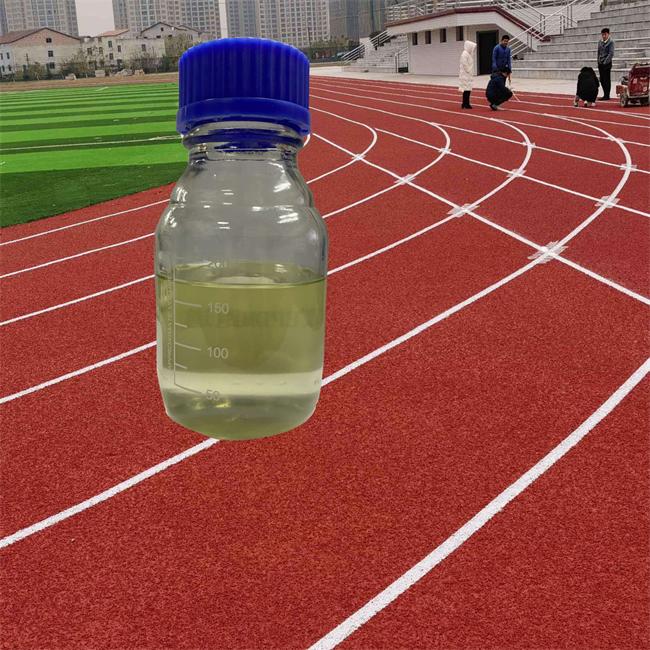
Selecting the right PU Binder is just as important as choosing the right EPDM granules. For global importers, contractors, and engineers, understanding the technical differences between aromatic and aliphatic binders, and adhering to strict mixing and installation protocols, is the difference between a project that lasts 10 years and one that fails in 2.
As a manufacturer with over 25 years of experience, we understand the specific needs of the global market. We offer high-quality, sulfur-free EPDM granules that are odorless, highly elastic, and UV-resistant, ensuring perfect compatibility with premium PU Binders. Whether you need standard aromatic binders for cost-effective projects or aliphatic binders for high-end applications, our team provides the technical support and flexible supply chain you need to succeed. Contact us today to discuss your project requirements and request a quote.

WOW(LYG) New Material Co Ltd is a manufacturer specializing in the production of EPDM rubber granules. We use sulfur-free vulcanization technology, it increases the service life by more than 3 times than traditional EPDM granules, and enhances the performance, including anti-aging, high-temperature resistance, and colorfastness.
We have over 25 years of production experience and offer customization for colors and granule sizes. NO MOQ.


