 注: 建议图片大小150px*50px
丨
注: 建议图片大小150px*50px Views: 0 Author: Site Editor Publish Time: 2026-07-20 Origin: Site


If you are a playground contractor, purchasing manager, or government procurement officer, you already know the drill: the lowest bid on playground safety surfacing rarely delivers the lowest lifecycle cost. What looks like a budget win in year one often becomes a maintenance nightmare—fading colors, crumbling edges, rubber odors in summer heat, and surfacing that loses its critical impact absorption within a few seasons.
This guide cuts through the marketing noise. Drawing on industry standards and real-world contractor pain points, we examine what actually determines the performance and longevity of playground safety surfacing, with a focus on EPDM (Ethylene Propylene Diene Monomer) rubber systems. Whether you are specifying for a municipal park, an international school, or a residential development, here is what you need to know to avoid procurement errors and secure a surface that meets both safety standards and client expectations.
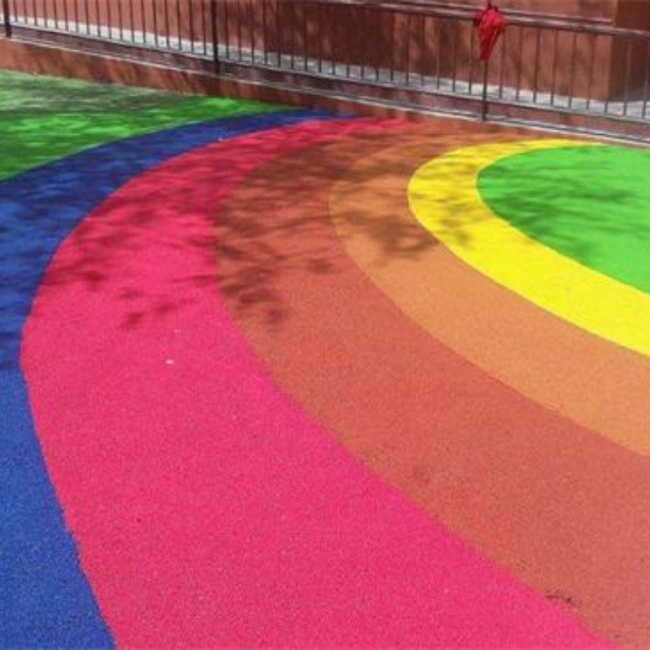
Understanding Playground Safety Surfacing: More Than Just Rubber
Playground safety surfacing refers to materials installed under and around play equipment to cushion falls and reduce injury risk. Options include engineered wood fiber, rubber mulch, rubber tiles, and poured-in-place (PIP) rubber systems. Among these, EPDM-based poured-in-place surfacing has become the preferred choice for commercial playgrounds, schools, and municipal projects—and for good reason.
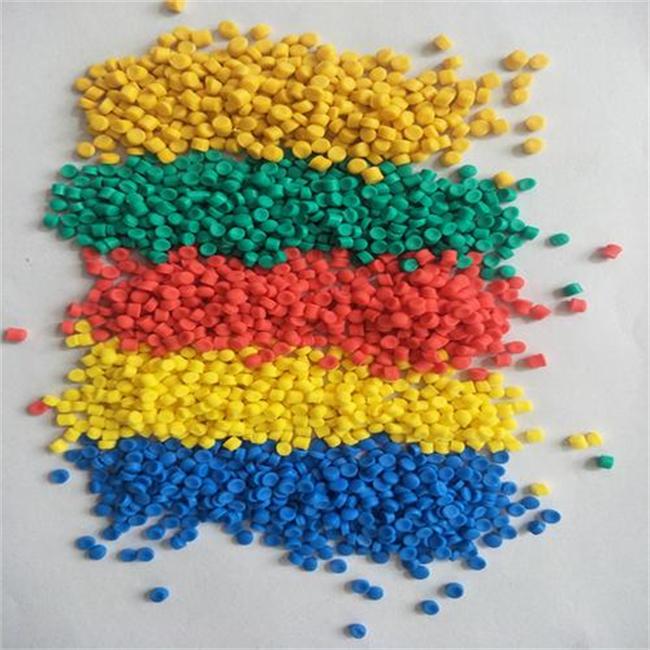
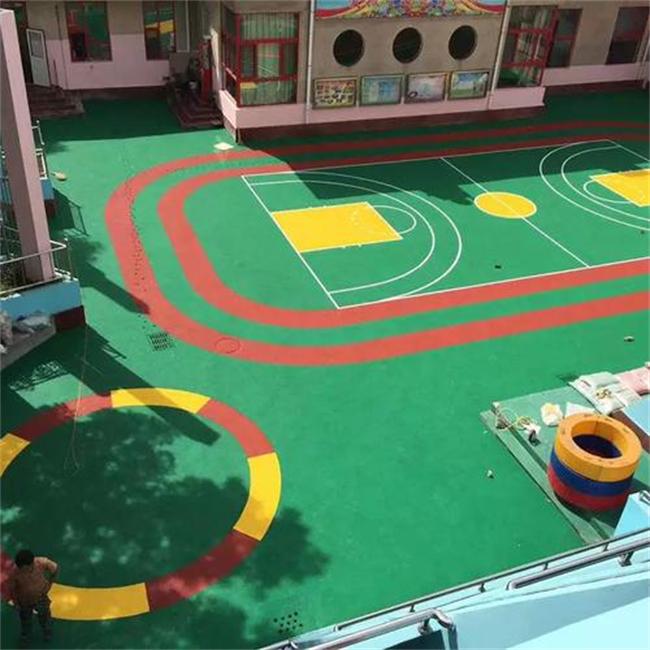
EPDM playground safety surfacing is a seamless, porous system consisting of a base layer of recycled rubber bound with polyurethane, topped with a wear layer of colorful EPDM granules. This structure provides consistent impact absorption, excellent drainage, and design flexibility that loose-fill materials cannot match.

Why Are More Specifiers Choosing EPDM for Playground Safety Surfacing?
The shift toward EPDM-based playground safety surfacing is driven by several measurable advantages over alternative systems:
Superior Impact Absorption—When children fall from play structures, the critical injury prevention metric is critical fall height performance. EPDM systems can be engineered to meet specific fall height requirements across different zones of a playground, unlike loose-fill materials that shift and compact over time.
All-Weather Drainage—The porous structure of EPDM poured-in-place surfacing allows water to pass through rapidly, eliminating ponding issues that create slip hazards and accelerate material degradation. Contractors who fail to address drainage during installation—or who skip proper base preparation—almost always face premature failure.
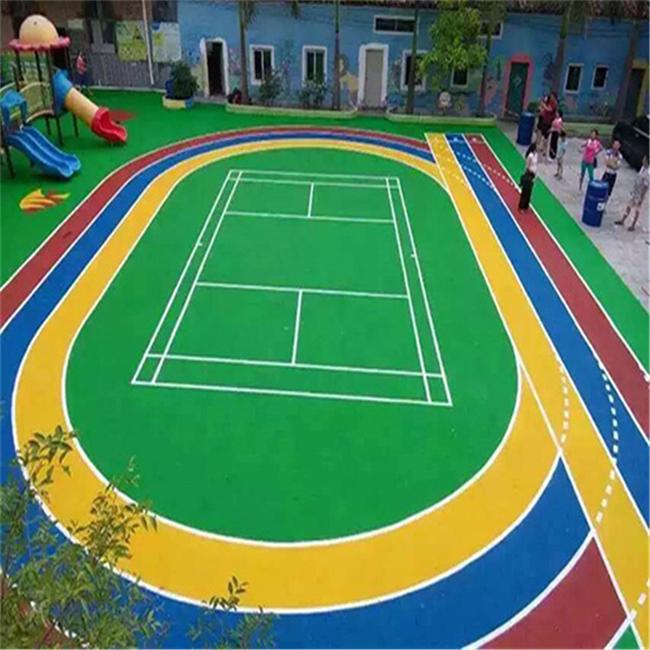
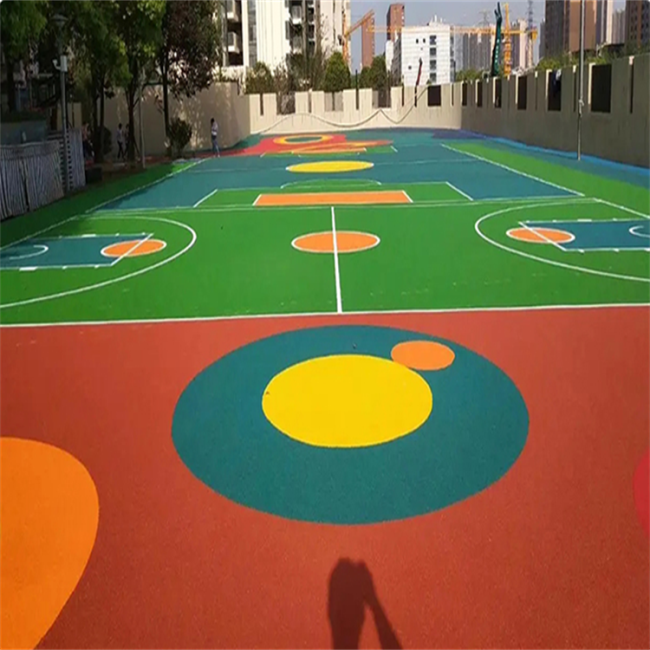
Design Flexibility—With a wide spectrum of colors and the ability to create custom patterns and graphics, EPDM safety surfacing allows playground designers to create visually engaging environments that enhance the play experience.
ADA Accessibility—Poured-in-place EPDM provides a firm, stable, and slip-resistant surface that meets accessibility requirements for wheelchairs and mobility aids, including safe transitions between different surface types.

The Hidden Problem: Why Some EPDM Playground Safety Surfacing Fails
Here is the uncomfortable truth: not all EPDM is created equal, and the consequences of choosing the wrong material or the wrong contractor are expensive.
Color Fading and UV Degradation
One of the most common complaints from playground owners is color fading within 6 to 12 months of installation. This is not a cosmetic issue—it is a symptom of deeper material failure. UV radiation breaks down the chemical bonds in lower-quality EPDM, leading to surface oxidation, chalking, and eventual loss of elasticity. Premium EPDM playground safety surfacing uses inorganic pigments and advanced UV stabilizers to maintain color integrity for years.
Sulfur: The Hidden Culprit Behind Odors and Short Lifespan
Traditional EPDM manufacturing relies on sulfur-based vulcanization to cross-link rubber molecules. However, this process introduces a vulnerability: under high temperatures and UV exposure, sulfur bonds break down and release sulfuric compounds. The result is:
- Unpleasant odors on hot days
- Accelerated molecular degradation
- Reduced service life by up to 70%
The fundamental problem is sulfur—and the only solution is eliminating it from the manufacturing process entirely. This is where advanced manufacturing technology makes the critical difference.
Poor Bonding and Delamination
The bond between EPDM granules and the polyurethane binder is the structural backbone of any poured-in-place playground safety surfacing system. If the granules has high oil content or inconsistent particle size, the binder cannot achieve proper adhesion. The result is delamination, surface “gatoring” (cracking), and dangerous loose particles that create both a maintenance issue and a choking hazard.
Inconsistent Quality Between Batches
For importers, distributors, and large project contractors, batch consistency is a major concern. One shipment may meet specifications; the next may not. This is often the result of sourcing from brokers or trading companies rather than direct manufacturers with rigorous quality control.
What to Look For: Technical Specifications That Matter for Playground Safety Surfacing
When evaluating EPDM playground safety surfacing materials, do not settle for generic marketing claims. Demand specific performance data:
Tensile Strength—This measures the material’s resistance to tearing and stretching. Premium EPDM achieves tensile strength of 4–7 MPa, significantly exceeding the industry minimum. Higher tensile strength directly translates to better durability under foot traffic and equipment load.
Elongation at Break—This indicates how much the material can stretch before breaking. Superior EPDM achieves elongation of 400%–550%, demonstrating excellent elasticity and flexibility. This is critical for maintaining impact absorption over time.
Rubber Content—Industry standards recommend a minimum rubber content of 15%–20% for playground safety surfacing applications. Lower rubber content means higher filler content, which degrades elasticity, accelerates aging, and shortens service life.
Weathering Performance—ASTM and European standards require demonstrated UV resistance through 1000-hour accelerated aging tests. After aging, colorfastness should reach grade 4–5 (gray scale), with no cracking, chalking, or delamination.
Density—Lower bulk density indicates higher rubber content and better elasticity. Premium EPDM granules achieves bulk density below 680 g/L, providing superior cushioning with less material—a genuine cost advantage when specified at the project level.
How to Avoid Common Procurement Mistakes
Drawing from contractor and specifier experience, here are the most common mistakes that undermine playground safety surfacing projects:
Mistake 1: Buying on Price Alone—The lowest-priced EPDM safety surfacing is almost always the most expensive over the project lifecycle. Low-cost manufacturers typically reduce rubber content, use organic dyes instead of inorganic pigments, and rely on sulfur vulcanization with all its drawbacks.
Mistake 2: Ignoring Sulfur Chemistry—Ask your supplier: Do your EPDM particles use sulfur or peroxide vulcanization? The answer matters enormously. Sulfur-based particles will degrade faster, produce odors, and fail prematurely. Manufacturers using advanced peroxide-cured, sulfur-free processes produce playground safety surfacing that lasts 3–5 times longer and maintains color vibrancy.
Mistake 3: Trusting Reports Without Verification—CMA or CNAS reports are valuable, but they are not foolproof. Some suppliers submit their best batches for testing, then ship inferior product. The only reliable protection is requiring batch-specific testing, visiting the factory to inspect raw material storage and quality control, and testing samples before accepting bulk shipments.
Mistake 4: Overlooking Contractor Qualifications—Even the best EPDM safety surfacing material fails if installed by an unqualified contractor. The installation team must demonstrate experience with poured-in-place systems, proper base preparation, drainage planning, and thickness verification. As one industry observer notes: “You are not just buying a material. You are buying installation quality, documentation, and a repair pathway.”
The Advanced Manufacturing Difference: How Sulfur-Free EPDM Transforms Playground Safety Surfacing Performance
To understand what sets premium EPDM apart, you need to look at the chemistry. Traditional sulfur vulcanization uses sulfur to cross-link rubber molecules. This process works but creates weak points in the molecular structure. Under heat and UV exposure, these sulfur bonds break down, releasing sulfuric compounds and initiating a chain reaction of degradation.
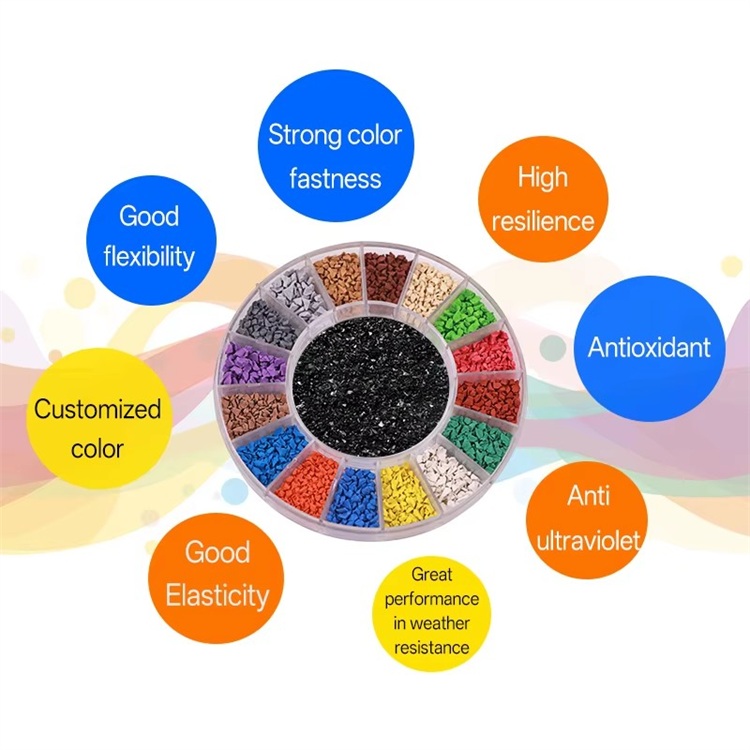
Advanced EPDM playground safety surfacing uses an innovative peroxide-cured, sulfur-free manufacturing process. This technology has been developed through extensive research and patented formulations that optimize the EPDM polymer structure for maximum stability. The results are measurable:
Zero Odor—Without sulfur, there are no sulfur compounds to break down under heat. This is why sulfur-free EPDM playground safety surfacing remains odorless even in extreme summer heat, a critical consideration for schools, daycare centers, and residential settings.
3X Longer Service Life—The peroxide-cured molecular structure creates more stable cross-links, dramatically slowing degradation from UV exposure, ozone, and weathering. While conventional sulfur-cured EPDM typically requires replacement within 5–8 years, sulfur-free formulations can deliver 15+ years of reliable service.
2–3X Higher Tensile and Elastic Performance—With tensile strength reaching 4–7 MPa and elongation exceeding 400%, the material maintains its cushioning properties even under heavy use.
5X Better Performance Retention—The advanced cross-linking ensures that impact absorption, resilience, and color stability degrade at a fraction of the rate seen in conventional products.
Superior Heat and UV Resistance—Antioxidant additives integrated at the molecular level protect the polymer from photo-oxidation and thermal degradation, ensuring long-term color stability and surface integrity.
Food-Grade Safety Standards—Sulfur-free formulations achieve more rigorous environmental and safety certifications, including skin irritation testing and hazardous substance limits that meet stringent EU and US standards.
How to Specify EPDM Playground Safety Surfacing: A Procurement Checklist
When preparing your tender documents, include these requirements to ensure you receive a quality system:
1. Mandate sulfur-free EPDM with documented peroxide-cure technology.
2. Specify minimum tensile strength ≥4 MPa and elongation at break ≥400%, verified by independent lab testing.
3. Require UV weathering test results showing no chalking, cracking, or color shift below grade 4 after 1000 hours.
4. Require skin irritation testing to confirm no skin contact hazards.
5. Specify 15–20% minimum rubber content with testing verification.
6. Require bulk density documentation to ensure material efficiency.
7. Demand batch-specific quality reports, not general product data.
8. Include field thickness verification in the contract, with measurements taken during installation.
9. Specify contractor qualifications: certified installers with documented experience in similar projects.
10. Require a clear warranty covering both materials and workmanship, with defined response times for repairs.
Frequently Asked Questions About EPDM Playground Safety Surfacing
Q: How can I verify whether EPDM granules contains sulfur?
A: Independent lab testing can confirm sulfur content. However, reputable manufacturers will disclose whether they use peroxide-cured or sulfur-based processes. In the field, sulfur-cured particles tend to emit a rubbery or slightly acidic odor under heat, while sulfur-free particles remain completely odorless.
Q: What is the ideal particle size for playground safety surfacing?
A: The optimal size depends on the specific system design. Contractors typically use 1–4 mm颗粒 for the wear layer, with coarser particles for the shock pad layer beneath. The key is consistent sizing and clean, angular particles with strong three-dimensional structure for optimal binder adhesion.
Q: How long should quality EPDM playground safety surfacing last?
A: Premium sulfur-free EPDM can last 15 years or more with proper installation and maintenance. Conventional sulfur-cured products typically require replacement within 5–8 years. The difference comes from the molecular stability achieved through advanced, sulfur-free manufacturing processes.
Q: Is low MOQ important for procurement?
A: Yes, particularly for importers and distributors managing inventory or testing new supplier relationships. The ability to order small quantities for sample testing or small projects before committing to large volumes significantly reduces procurement risk.
Q: Why do some EPDM surfaces become slippery when wet?
A: This is typically a surface design issue, not a material issue. Properly specified EPDM playground safety surfacing with textured surfaces and adequate porosity maintains slip resistance in wet conditions. The issue arises when surfaces are over-tamped during installation or when drainage is inadequate.

The global playground safety surfacing market continues to grow as communities recognize the importance of safe, accessible, and inclusive play environments. For contractors, procurement professionals, and government specifiers, the choice of surfacing material has long-term implications for safety, maintenance budgets, and community satisfaction.
The gap between budget EPDM and premium sulfur-free EPDM is not about price—it is about performance. High-quality playground safety surfacing delivered through advanced sulfur-free technology eliminates odor concerns, extends service life dramatically, and maintains color vibrancy for years. When you specify sulfur-free EPDM, you are not just buying rubber; you are investing in safety, longevity, and peace of mind.

WOW(LYG) New Material Co Ltd is a manufacturer specializing in the production of EPDM rubber granules. We use sulfur-free vulcanization technology, it increases the service life by more than 3 times than traditional EPDM granules, and enhances the performance, including anti-aging, high-temperature resistance, and colorfastness.
We have over 25 years of production experience and offer customization for colors and granule sizes. NO MOQ.


