 注: 建议图片大小150px*50px
丨
注: 建议图片大小150px*50px Views: 0 Author: Site Editor Publish Time: 2026-08-03 Origin: Site


If you’ve ever repaved a playground or resurfaced a running track due to fading colors, crumbling surfaces, or an unbearable rubber smell, you know the frustration. For those of us in the industry—whether contractors, importers, or procurement managers—the search isn’t just for “rubber granules.” It is a search for guaranteed performance, supply chain reliability, and long-term value.
This guide moves beyond basic product descriptions. We will explore what the ASTM and ISO standards don’t tell you, how to avoid the technical pitfalls that lead to project failure, and why next-generation sulfur-free technology is redefining longevity for 1-3mm EPDM granules.

What Exactly Are 1-3mm EPDM Granules?
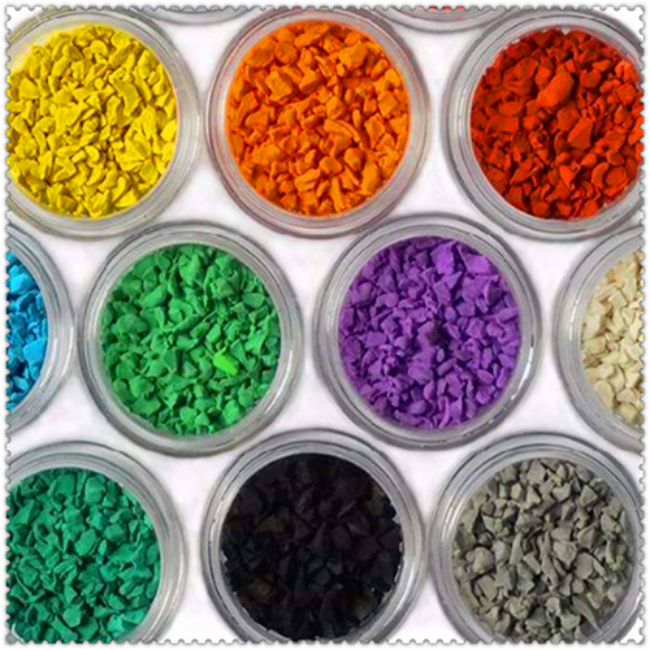
EPDM (Ethylene Propylene Diene Monomer) is a synthetic rubber known for its outstanding resistance to heat, weather, and moisture. When processed into 1-3mm granules, it becomes the primary raw material for breathable, impact-absorbing sports and play surfaces .
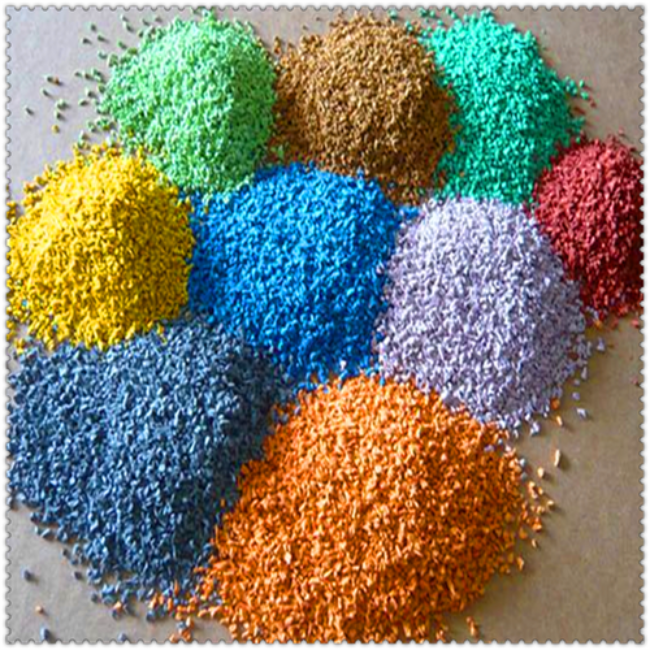
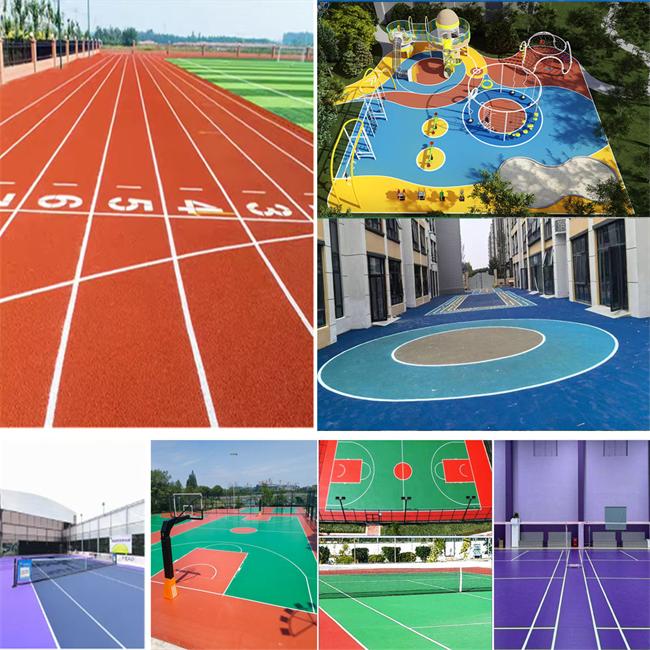
The 1-3mm size range is the industry standard for the wear layer (the top surface) of running tracks and the decorative/color layer of playgrounds. This specific sieve size offers the ideal balance between surface texture (grip), drainage, and cushioning while minimizing material waste compared to larger granules .
Why This granule Size Matters for Your Project
Safety: 1-3mm granules provide a smooth yet non-slip surface that reduces abrasion injuries during falls—a critical factor for playgrounds (critical fall height) and high-performance tracks .
Aesthetics: Smaller granules allow for tighter, more intricate color patterns and seamless joints, creating a premium, professional finish.
Durability: This specific granule size achieves optimal compaction and bonding with polyurethane binders, reducing the risk of "delamination" (separation) under heavy foot traffic.
The Hidden Crisis: Why Most EPDM Surfaces Fail
Before we discuss solutions, let’s address the pain points we hear from contractors and municipalities every day.
1. The "Low-Bid" Trap (Shortened Lifespan)
Often, low-cost granules are partially made from recycled tire crumb (scrap rubber). While cheap, these granules contain sulfur and carbon black. Under UV exposure, the sulfur degrades, causing the surface to harden, crack, and lose elasticity in as little as 1-2 years. The cost of removing and replacing a failed surface far outweighs the initial savings.
2. The "VOC" Nightmare (Odor & Health Concerns)
Traditional EPDM manufacturing uses sulfur vulcanization. When these granules are installed or exposed to high heat, they can break down and release volatile sulfur compounds—the "strong rubber smell." In enclosed stadiums or during school hours, this becomes a major health and safety complaint .
3. The "Fading" Aesthetic
Pigment stability is expensive. If a manufacturer uses low-grade colorants, your vibrant red or blue track will turn pastel pink or chalky gray within 6-12 months of UV exposure, a concern highlighted in recent government tenders requiring strict UV aging tests .
4. The "Inconsistent Batch" Problem
Buying from traders rather than factories often leads to batch-to-batch color variation or inconsistent granule size. This causes "patchy" surfaces that look unprofessional and fail physical tests.

Technical Parameters That Define Quality (EEAT Focus)
To ensure your project meets international standards (such as GB 36246-2018 or EN 71 for safety), you must verify the technical data sheets. Here is what you are actually buying when you choose high-grade 1-3mm EPDM:
Sulfur-Free Technology (Advanced Polymerization)
This is the single most important differentiator. Sulfur-free EPDM offers thermal stability that prevents degradation at high temperatures. It is the reason the material remains odorless even under 70°C heat .
Density and Coverage (Bulk Density)
High-quality 1-3mm granules have a lower bulk density (approx. 0.92-0.95kg/m³) and angular granule shapes . The angularity creates mechanical interlocking between granules, reducing "pinholes" and ensuring a smooth final finish.
Mechanical Strength
Tensile Strength: Should exceed 4-5 MPa. This prevents the surface from tearing when subjected to studs or sharp objects.
Elongation at Break: A figure above 400% indicates the granules are flexible and won’t crack under repeated impact .
UV Resistance (Color Retention)
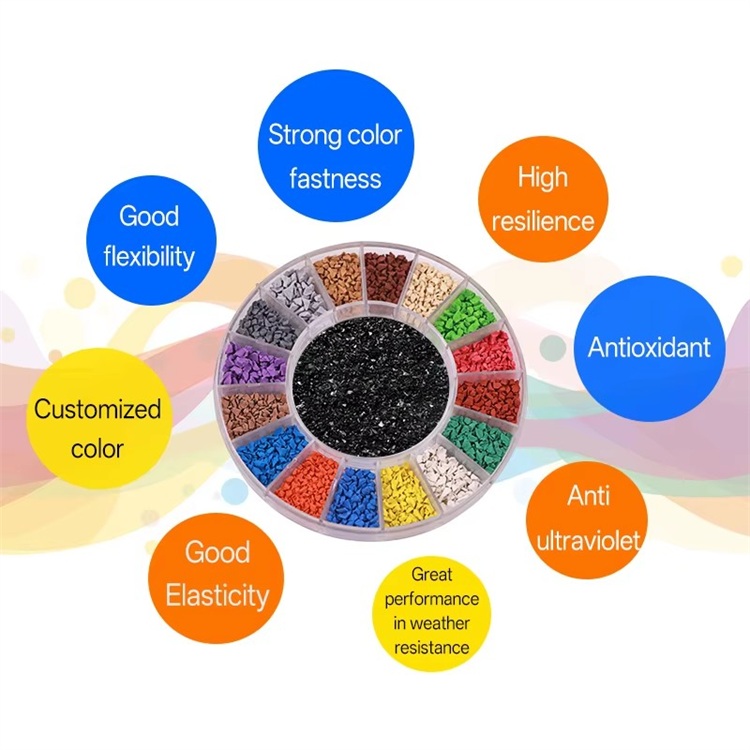
Look for "500-hour UV aging tests" where the Grey Scale rating should be 4-5 (no significant change). This ensures colors remain vivid for 8-10 years .
Addressing Specific User Personas: Practical Solutions
For Playground Contractors & Architects
Pain Point: Meeting critical fall height requirements for children.
Solution: 1-3mm EPDM used in a 13mm-thick system with a Shock Pad layer provides optimal force reduction (impact absorption >35%).
Expert Tip: Specify "Sulfur-Free" to avoid "heat islands" near playgrounds—this material stays cooler and doesn’t emit odors on sunny days.
For Importers & Distributors
Pain Point: MOQ (Minimum Order Quantity) constraints and supply chain reliability.
Solution: Look for manufacturers with "No MOQ" policies. This allows you to consolidate containers with mixed colors and sizes (1-3mm for tracks, 2-4mm for cushion layers) without overcapitalizing on inventory.
For Government Procurement & Municipal Projects
Pain Point: Supplier verification and testing compliance.
Solution: Require that the manufacturer provides CMA and CNAS-accredited certification for each batch. Specifically ask for "No Recycled Content" testing, ensuring the polymer content meets the minimum requirement of 13% and ideally reaches 20% for heavy-use municipal facilities .
How to Avoid the Most Common Procurement Mistakes
Step 1: Ignore the Price Per Kg
Do not calculate cost by weight alone. Calculate Cost per Square Meter. High-quality granules have lower density, meaning you get more coverage per kilogram, often offsetting the higher unit price.
Step 2: The Simple "Acetone Wipe" Test
Ask the supplier for a sample. Wipe the granules with a white cloth soaked in acetone. If the color comes off easily, the pigment is poorly bound. This is a red flag for rapid fading .
Step 3: Verify the "Primary Source"
Many "manufacturers" are actually trading companies. Ensure you are dealing with a factory that has extrusion production lines, not just a mixing plant. Only source manufacturers can guarantee consistent quality and quick response times for custom color matching.
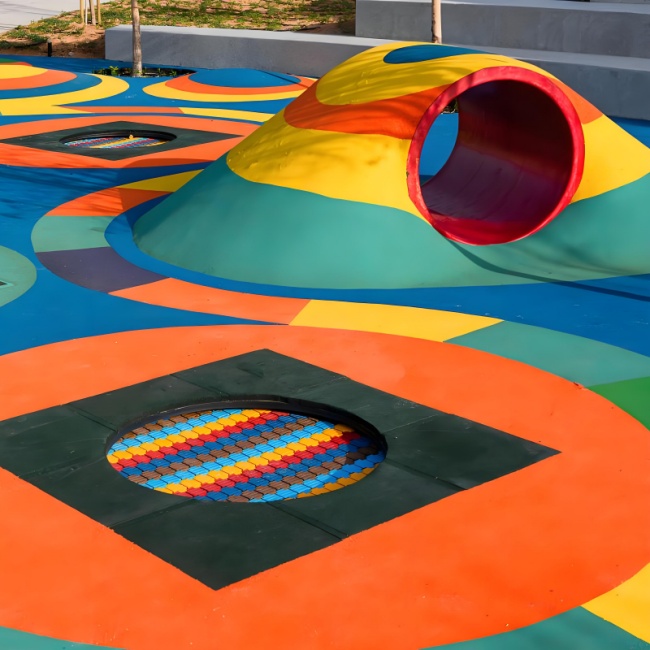
How Our Manufacturing Process Solves Industry Pain Points
Having worked on the production side for over 25 years, I know where the corners are cut. Our facility utilizes Sulfur-Free Vulcanization Technology—a process that eliminates sulfur entirely from the EPDM recipe.
The Result? This isn't just another EPDM granule; it's a next-generation polymer.
1. Zero Odor, Absolute Environmental Safety
Without sulfur, our granules do not decompose into sulfuric acid or sulfur dioxide under high temperatures and UV radiation. This makes them odorless and safe for indoor sports halls and schools, meeting strict Food-Grade hygiene standards.
2. Extended Longevity (3x the lifespan)
The sulfur-free molecular structure is inherently more stable. While conventional EPDM lasts 3-5 years before hardening and cracking, our granules maintain elasticity and strength for over 8-10 years, even in harsh environments.
3. Superior Adhesion & Physical Properties
The polymerization process increases tensile strength to 4-7 MPa (compared to the standard 0.4-0.5 MPa found in basic surfaces) . This means the granules grip the polyurethane binder far more effectively, resulting in a "unibody" surface that resists tearing and pitting.
4. Permanent Color Fastness
Our advanced stabilizing additives, combined with high-end pigments, deliver:
UV Protection: Color retention is improved by over 500% compared to standard granules.
Thermal Stability: Performance remains unchanged even under continuous high-heat exposure.
5. Technical Support & Flexibility
We understand that no two projects are the same. We support custom colors, sizes, and blending with No Minimum Order Quantity (MOQ). This allows you to order exactly what the job needs without holding dead inventory.
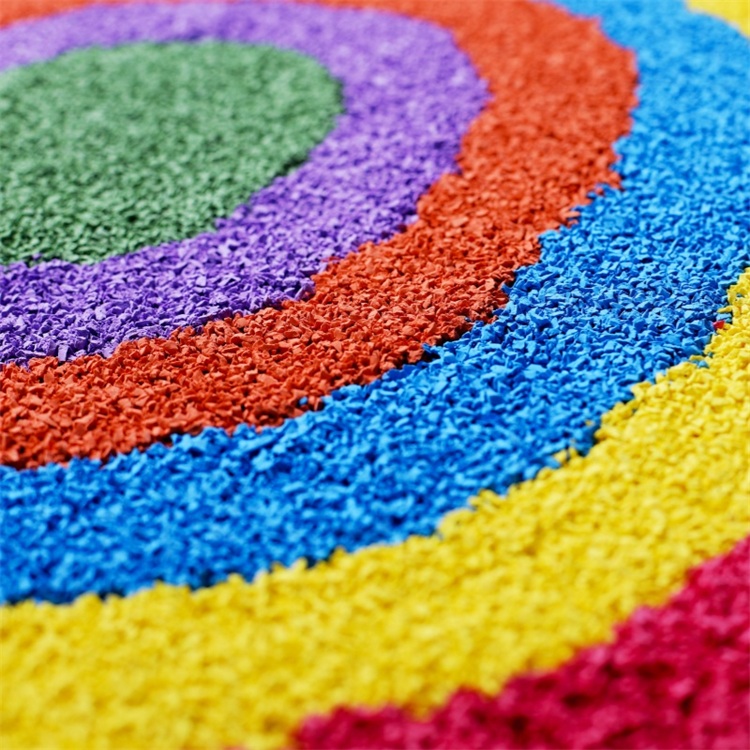
Practical Tips for Procurement and Installation
Practical Tips
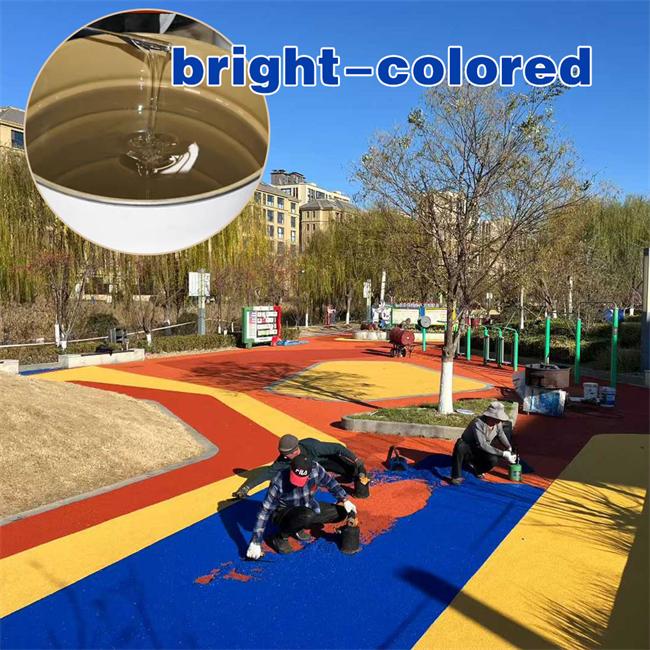
Mixing Ratio: For the ideal 13mm thickness, the ratio of 1-3mm EPDM granules to polyurethane binder should be approximately 5:1. Ensure the binder has a solid content >98% to prevent shrinkage .
Storage: Store granules in a cool, dry place (below 30°C). If the material absorbs moisture, it will not bond with the polyurethane, leading to delamination.
Application: Ensure the concrete or asphalt base has proper drainage (slope of 1%). Curing time is critical: Allow 48 hours for the binder to fully set before exposing the field to play .
Frequently Asked Questions (FAQ) - Addressing Buyer Concerns
Q1: Why should I choose EPDM over standard rubber granules for my playground project?
EPDM is engineered for UV resistance and contains no harmful heavy metals (like lead or mercury) found in some recycled rubbers. It provides a safer, non-staining surface that stays cool and comfortable.
Q2: How do I verify if the 1-3mm EPDM granules are truly "sulfur-free"?
A simple smell test under heat works. Sulfur-free granules will remain odorless when heated. Additionally, ask for the Material Safety Data Sheet (MSDS) to confirm the vulcanization agent used.
Q3: The standard requirement says "polymer content ≥13%." What does that mean for me?
The polymer content dictates the flexibility and longevity of the granule . A 13% minimum ensures the surface doesn't crumble. Our sulfur-free formula exceeds this, offering a 20%+ polymer content for maximum durability.
Q4: Can you match the specific Pantone color for my landscape design?
Yes. With our advanced pigment system and 25 years of experience, we can match any custom color, ensuring your track or playground fits the architectural aesthetic of the environment.
Q5: Are these granules suitable for indoor sports facilities?
Absolutely. Because we eliminate sulfur and VOC-emitting plasticizers, our granules are ideal for indoor installation. They won't off-gas toxic fumes, ensuring a healthy environment for athletes.
Q6: There is often confusion about granule size. What is the effect if I use a size that is too large or too small?
Using granules above 3mm results in a rough, abrasive surface that can cause skin abrasion. Granules under 1mm create a dense, non-porous surface that holds water. 1-3mm is the "Goldilocks" size for drainage, comfort, and safety.
Q7: What are the typical “red flags” to avoid when sourcing from international suppliers?
Beware of prices 20-30% below market average. These often indicate high ash content (fillers like calcium carbonate) that will turn to powder in 2 years. Always request a sample before placing a full order.
Q8: Do you have the required EN 71 (Toy Safety) certifications for the EU market?
Yes. Our granules are compliant with international safety standards, including EN 71 for children's safety and REACH certification for environmental safety, essential for smooth customs clearance.

Choosing the right 1-3mm EPDM granule is not just about aesthetics; it is a strategic decision affecting safety, maintenance costs, and project reputation. By shifting the focus from "price per kilo" to "performance per year," contractors and procurement managers can avoid the pitfalls that plague the industry.
Whether you are installing a track for a municipal stadium or a playground for a local school, the ideal partner offers technical transparency, flexible logistics, and proven durability. Our commitment to sulfur-free technology, customizable solutions, and a "No MOQ" policy ensures that your project is built to last—not just for a season, but for a generation.

WOW(LYG) New Material Co Ltd is a manufacturer specializing in the production of EPDM rubber granules. We use sulfur-free vulcanization technology, it increases the service life by more than 3 times than traditional EPDM granules, and enhances the performance, including anti-aging, high-temperature resistance, and colorfastness.
We have over 25 years of production experience and offer customization for colors and granule sizes. NO MOQ.


