 注: 建议图片大小150px*50px
丨
注: 建议图片大小150px*50px Views: 0 Author: Site Editor Publish Time: 2026-07-28 Origin: Site


If you’ve landed here searching for Rubber Granules, you’re probably not just looking for a basic definition. You are likely a Playground Contractor facing a city council worried about safety, a Sports Surfacing Contractor dealing with a client complaining about color fading after one summer, or a Purchasing Manager trying to figure out why some quotes are half the price of others.
This guide is written specifically for you. We are going beyond the basics to address the real-world problems procurement officers, engineers, and installers face daily. We will cover what EPDM granules actually are, how to choose them, and—most importantly—how to avoid costly procurement mistakes that could damage your reputation and budget.

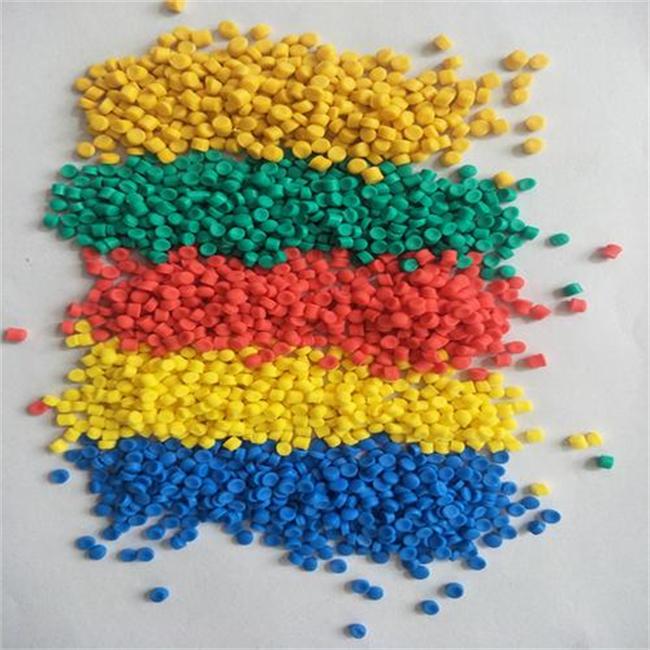
What Are EPDM Rubber Granules? (And Why You Should Care About the Chemistry)
EPDM (Ethylene Propylene Diene Monomer) is a high-performance synthetic rubber. Unlike cheap recycled tire crumb (SBR), which contains sulfur and residual oils, EPDM is a virgin material designed for longevity and safety .
When you see rubber granules on a playground, running track, or landscape area, there is a high probability it is an EPDM top layer. This is because EPDM can be produced in vibrant colors and withstands the elements far better than natural rubber or recycled alternatives .
However, not all EPDM is created equal. This is where most industry headaches begin.
The Core Applications: Where Are These Granules Used?
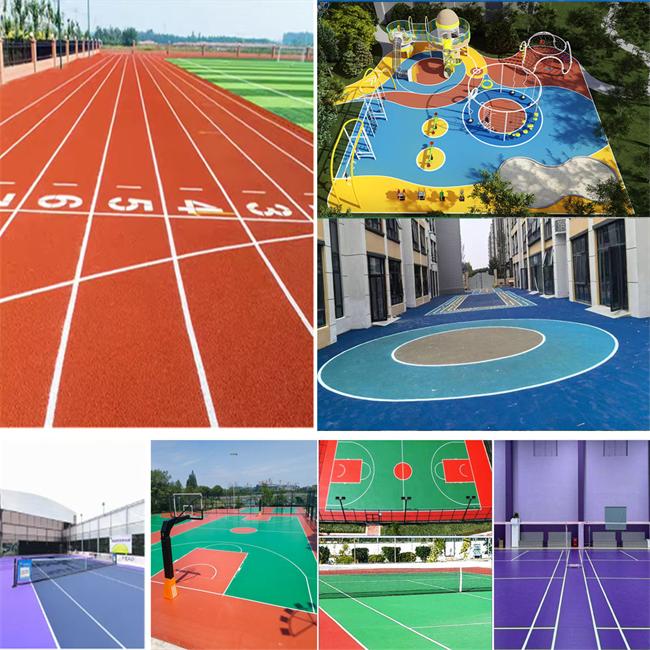
Understanding where and how these granules are used is critical for specifying the right product. EPDM granules are primarily used in two ways: Loose Fill (for landscaping or turf infill) and Bound Surfaces (mixed with a Polyurethane binder and troweled on-site).
For Playground Contractors and Municipalities:
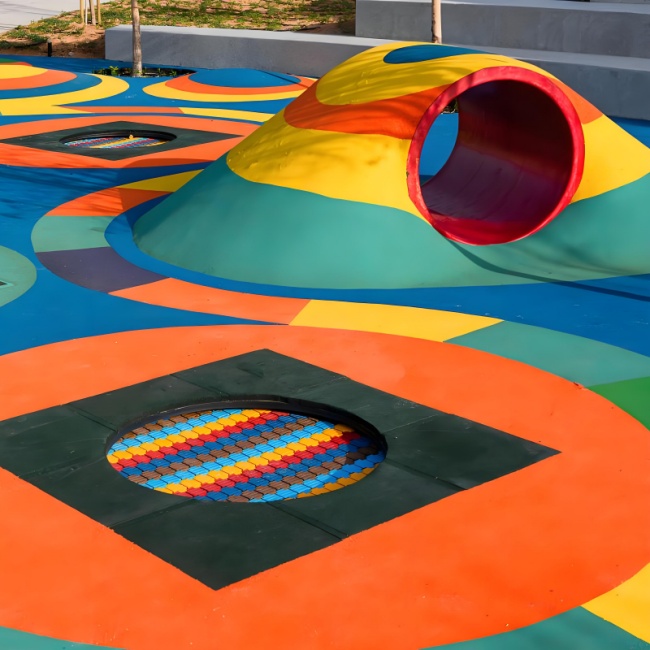
- Poured-in-Place (PIP) Safety Surfacing: This is the standard for public playgrounds and schools. A shock-absorbing base layer (often black recycled rubber) is topped with a colorful, wear-resistant EPDM layer. This provides critical fall height protection and accessibility .
For Sports Surfacing Contractors and Engineers:
- Athletic Tracks and Multi-Use Games Areas (MUGA): The "top layer" of a professional running track is generally made of EPDM granules. It provides the necessary grip, elasticity, and water permeability .
- Artificial Turf Infill: In sports fields, black or green EPDM granules are used as infill to keep turf fibers upright, provide ballast, and offer shock absorption, often preferred over SBR for its cleanliness and durability .
For Landscape Companies and Architects:
- Decorative Surfacing: EPDM granules are used in pathways, pool surrounds, and even rooftop gardens due to their aesthetic flexibility and slip-resistant qualities .
The Problem with "Cheap" Rubber: Addressing Real Customer Pain Points
As a professional, you know that the lowest bid often comes with hidden costs. Let’s look at the specific issues our clients (and your customers) worry about.
1. The "Disappearing Color" Syndrome (UV Resistance)
This is the number one complaint in the industry. A playground looks vibrant in June, but by August, it looks pink or washed out. The problem is often the binder (glue) used or the quality of the pigment in the granule.
- The Technical Fix: You need granules with high UV stability. Standard tests measure color stability on the "Gray Scale" after specific UVA exposure . We recommend specifically asking for the UVA Exposure test results (e.g., 4,896 kJ) rather than vague promises. Furthermore, ensure you use an aliphatic (UV-stable) binder for light colors like blue, yellow, or white, as aromatic binders "yellow" under the sun .
2. The "Bad Smell" Phenomenon (Odor)
If the surface smells like a tire factory on a hot day, you are likely dealing with sulfur-cured rubber or cheap SBR mixed in. This is a major concern for Municipal Project Contractors who face public scrutiny.
- The Solution: Sulfur-free EPDM granules are available. Without sulfur, the molecular structure is more stable, meaning it won't decompose into sulfuric acid under heat and UV rays. This makes it odorless and safer for sensitive environments like schools .
3. Lifecycle and Durability (Tensile Strength)
If the surface cracks or breaks down within 2-3 years, the failure is usually in the tensile strength or elongation at break of the granule.
- What to look for: High-quality EPDM granules exhibit a Tensile Strength exceeding 4.0 MPa and an Elongation at Break exceeding 600% . These numbers indicate the material can handle the extreme pressure of studded shoes or playground traffic without fracturing.
The "Unspoken" Advantage of Sulfur-Free Technology
In our 25+ years of industry experience, we have observed a distinct shift in the market. The demand for "Sulfur-Free" or "Peroxide-Cured" EPDM is rising significantly .
Why? Because it solves the "Creep" and "Aging" problem.
- Standard Sulfur-Cured granules age quickly. The polymer chains break down, leading to brittleness and color loss.
- Advanced Sulfur-Free granules (using Peroxide curing) offer a much denser and more stable molecular structure. This translates to:
- Elasticity Improvement: 2 to 3 times better performance (reaching up to 7 MPa tensile strength).
- Longevity: 3x longer lifespan in harsh outdoor climates.
- Environmental Safety: Often passes stringent food-grade (EN 71-3) or potable water safety standards .

How to Avoid Procurement Errors: A Checklist for Purchasing Managers and Distributors
Here is a quick checklist to ensure you aren't buying substandard materials:
- Request the Technical Data Sheet (TDS): Don't just look at the price. Check the EPDM Polymer Content. A granule with only 10-14% EPDM filler is vastly inferior to one with 22% or 35% .
- Verify the Bulk Density: Lower density means better coverage (more square meters per kilogram). Look for a bulk density of around 1.5–1.6 g/cm³ .
- Check the Ash Content: High ash content means more "filler" (cheap chalk or clay) and less rubber. This leads to high dust and poor performance. Good granules generally have ash content between 45% and 62% depending on the color and specific gravity .
- Certifications: Ensure they have Reach, RoHS, and EN 71-3 compliance (especially for children's playgrounds). If they are selling to Europe, this is non-negotiable .
- Color Customization: If you need a custom pantone color, confirm they can handle it. There is no "one-size-fits-all" for architectural projects .

Why Architects and Government Agencies Prefer EPDM
There is a reason EPDM is the "gold standard" for public works. It offers accessibility (wheelchairs can roll on it), safety (critical fall height protection), and aesthetics. More importantly, high-quality EPDM is recyclable. When the surface reaches the end of its life, the granules can be ground down and used in new base layers or other construction materials, aligning with today's green building requirements .

Making the Right Choice
Choosing the right rubber granule supplier is not just about price; it is about risk management. If you are a Contractor, using inferior granules leads to callbacks and lawsuits. If you are an Importer or Distributor, inconsistent quality leads to lost clients.
When evaluating suppliers, prioritize:
1. Sulfur-Free technology for odorless and long-lasting results.
2. High UV resistance documented by lab tests.
3. Flexibility in MOQ to avoid locking up capital in a volatile market.
4. Consistency in granule sizing (0.5-1.5mm for top surfaces; 2-4mm for bases).
By asking the right questions and understanding the chemistry behind the granules, you ensure that your project remains safe, beautiful, and profitable for decades to come.


WOW(LYG) New Material Co Ltd is a manufacturer specializing in the production of EPDM rubber granules. We use sulfur-free vulcanization technology, it increases the service life by more than 3 times than traditional EPDM granules, and enhances the performance, including anti-aging, high-temperature resistance, and colorfastness.
We have over 25 years of production experience and offer customization for colors and granule sizes. NO MOQ.


