 注: 建议图片大小150px*50px
丨
注: 建议图片大小150px*50px Views: 0 Author: Site Editor Publish Time: 2026-07-24 Origin: Site


When you’re responsible for a playground project—whether you’re a contractor managing a municipal bid, an architect specifying materials, or a procurement manager evaluating suppliers—the search for the right playground surface materials goes far beyond just picking a color. You are solving a complex equation involving safety compliance, budget constraints, climate resilience, and long-term maintenance.
This guide addresses the specific concerns of industry professionals: how to avoid common failures like color fading and poor adhesion, navigate standards like ASTM F1292, and source materials that offer superior ROI. We focus on the industry’s premium choice: EPDM (Ethylene Propylene Diene Monomer) rubber granules, examining why the chemistry of the material matters as much as the installation.
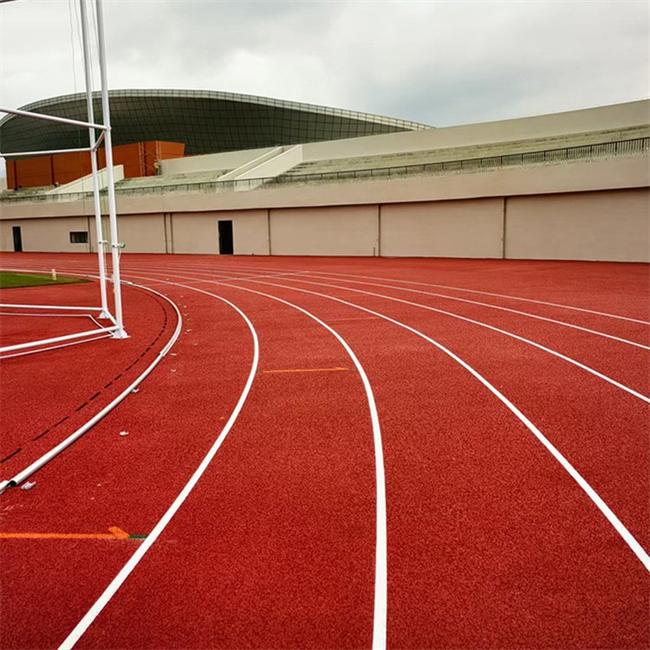
The Foundation: Understanding Modern Playground Surface Materials
In North America and Europe, the regulatory landscape is clear. Agencies like the NY Department of Health mandate that areas under playground equipment must be soft surfaces to protect children from injuries if they fall . Acceptable materials range from loose-fill options like sand and wood chips to unitary surfaces. However, for high-use public and commercial spaces, poured-in-place (PIP) rubber systems, particularly those using EPDM, have become the gold standard .
A standard PIP rubber system consists of two distinct layers :
1. The Base Layer (SBR): Made from recycled tire rubber (SBR), this layer provides the primary "spring" or shock absorption. It is cost-effective and forms the structural cushion.
2. The Wearing Surface (EPDM): This is the top layer where the aesthetics and weather resistance reside. EPDM granules are bound with a polyurethane (PU) binder to create a seamless, vibrant, and durable finish.

Why EPDM is the Preferred Choice for Contractors and Engineers
To understand why EPDM dominates the market, valued at over $5 billion globally and growing at 4.4% CAGR, we must look at the material science .
1. Unmatched UV and Weather Resistance
Traditional rubber often uses sulfur in the vulcanization process. This creates a molecular structure vulnerable to degradation. When exposed to UV light and heat, sulfur-based rubber breaks down, releasing sulfuric acid components. This results in:
- Fading and chalking.
- Odor release.
- Brittleness.
The advanced EPDM formulation (specifically, advanced EPDM granules produced without sulfur, utilizing a peroxide vulcanization) solves this. Because there is no sulfur, the material does not decompose under UV or high temperatures . This leads to a dramatic increase in weather resistance.
2. Color Retention and Anti-Aging
For contractors, fading is one of the most common complaints. Many procurement documents now specify specific color retention requirements. Materials utilizing advanced polymerization can guarantee color stability that is 5 times higher than standard rubber products . This is critical for installations that require vibrant colors to match branding or landscape architectural designs.
3. Superior Physical Properties
The removal of sulfur stabilizes the polymer chains. This results in tensile strength reaching 4 to 7 megapascals. For the engineer, this translates to:
- A safety surface that maintains its integrity under high foot traffic.
- Elasticity that increases by 2-3 times, providing better shock absorption and reducing the risk of head injury during falls.

How to Choose the Right EPDM: A Technical Specification Guide
When evaluating suppliers, procurement managers and distributors must look beyond the price per kilogram. Here is a checklist of what to demand:
1. The Binder Matters (Aliphatic vs. Aromatic)
A common failure is the "ambering" effect. If you use an aromatic polyurethane binder with light-colored EPDM granules, the binder will turn yellow in the sun, ruining the aesthetic. Project specifications like those seen in municipal contracts now prefer aliphatic polyurethane binders for superior UV stability . Always confirm the binder chemistry with your supplier.
2. Critical Fall Height (CFH) and Thickness
The thickness required depends on the height of the equipment .
- For high playground equipment (1.5 - 2 meters), a total system thickness of 60mm to 100mm is often required to meet EN 1177 or ASTM F1292 .
- Ask your supplier: What is the recommended ratio of EPDM to PU binder? The industry standard varies, with top layers typically requiring a higher binder ratio (18-20%) to prevent granules from loosening .
3. Granule Shape and Density
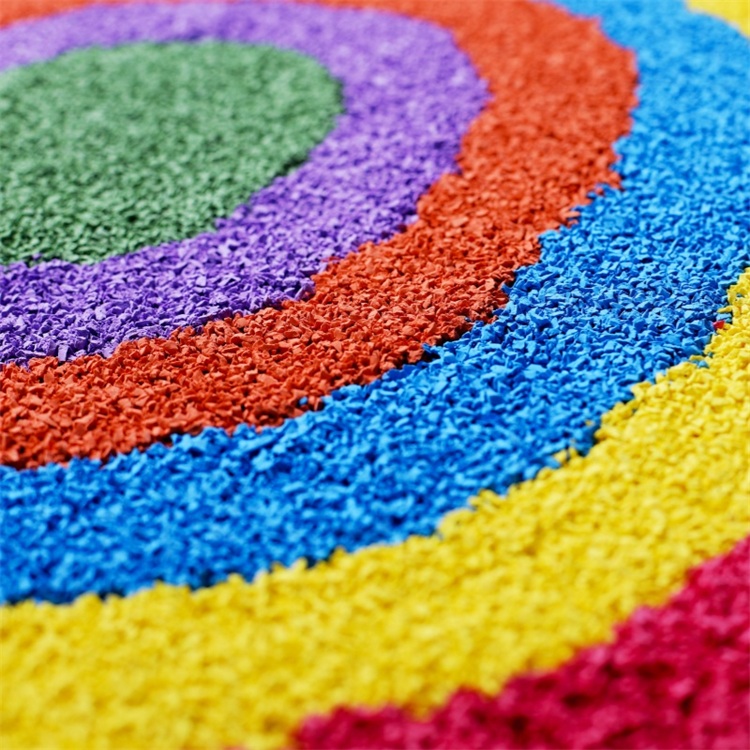
Not all EPDM granules are created equal. Look for granules with a high "bulk density" and "angular" shape. Granules produced via advanced cutting techniques have strong three-dimensional edges, which interlock better during mixing. This creates a stronger, more resistant surface and uses less binder to achieve the same strength.
4. Chemical Compliance
Safety regulations are tightening. Maryland has recently passed HB 1147, banning PFAS chemicals and restricting lead (to ≤ 90 ppm) in playground surfaces . A reputable manufacturer must provide a Certificate of Compliance attesting that their materials meet these chemical safety standards and are free of toxic heavy metals. The high-quality EPDM is manufactured to meet food-grade hygiene standards, making it safe for the most sensitive environments, including hospitals and kindergartens.
Solutions to Common Industry Pain Points
Q: "We had a previous installation that smelled terrible and faded within a year."
- Cause: The previous material likely used a high-sulfur content EPDM and aromatic binder.
- Solution: Specify sulfur-free EPDM granules. This ensures that under high heat, no sulfuric acid is released, eliminating odor and protecting the color.
Q: "The granules are coming loose; the surface looks patchy."
- Cause: This is usually due to low tensile strength or a poor binder ratio. Additionally, dust on the granules during installation can prevent the PU glue from bonding.
- Solution: Choose granules with a tensile strength of >3.5 MPa. Ensure the supplier sieves the granules to remove dust, ensuring a tight bond with the adhesive.
Q: "We need to match a specific Pantone color for a branding project."
- Solution: Work with a manufacturer that offers custom color and Granule size (0.5mm to 4mm) customization. A supplier with in-house production lines can match exact hues and process small MOQs without the need to order a full container, which is particularly valuable for phased projects or local governments.
Q: "We are worried about budget overruns."
- Cause: High MOQs and expensive logistics.
- Solution: Utilize suppliers with flexible MOQ policies. This allows contractors to purchase exactly what is needed for the project, reducing waste and storage costs.

Construction and Installation Checklist (For Contractors)
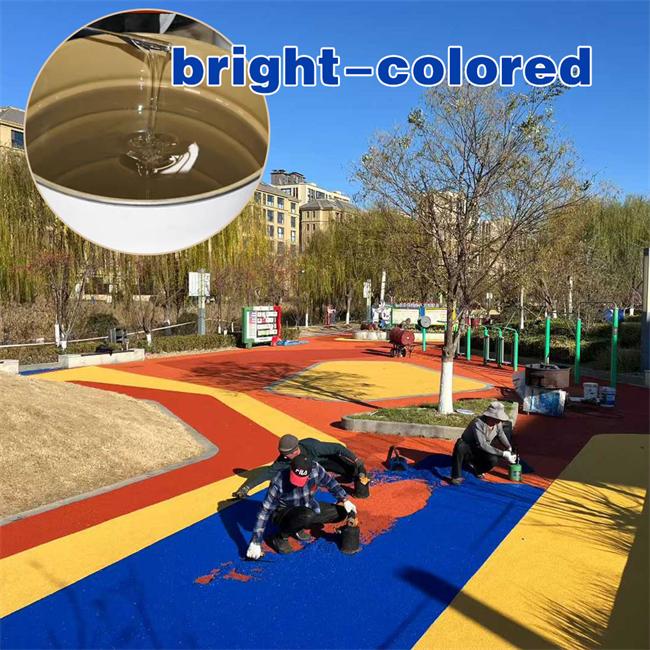
To ensure the "Playground Surface Materials" perform as intended, installation must be precise .
1. Sub-base Preparation: The concrete or asphalt base must be completely dry. Any moisture trapped in the concrete can turn to steam in the sun, causing blisters.
2. Temperature Control: Do not install if the ambient temperature is below 10°C or above 30°C. If it is too hot, the glue cures too fast; if too cold, it takes too long and may fail.
3. Mixing: Mix the EPDM and PU binder for a minimum of 2-3 minutes and use the mixture immediately. Do not let batches sit.
4. Curing: Allow 24 to 72 hours for curing. Ensure the area is barricaded to protect the new surface.
The Long-Term Value Proposition
For the importer, distributor, or government procurement officer, the choice of playground surface materials is an investment in public safety and asset longevity. While the upfront cost of premium EPDM may be higher than wood chips or standard rubber, the total cost of ownership is significantly lower. With a lifespan extending beyond 10 years and minimal maintenance required (leaf blowing and gentle washing), it offers unparalleled ROI.
By selecting a manufacturer with 25+ years of experience, advanced sulfur-free technology, and flexible customization capabilities, you mitigate the risks of fading, material failure, and compliance issues. You are not just buying rubber granules; you are buying peace of mind and a commitment to safety and durability.
Looking for reliable, high-performance EPDM playground surface materials with flexible MOQ and custom color matching? [Contact us to discuss your project specifications] and secure a resilient, compliant surface for your next installation.


WOW(LYG) New Material Co Ltd is a manufacturer specializing in the production of EPDM rubber granules. We use sulfur-free vulcanization technology, it increases the service life by more than 3 times than traditional EPDM granules, and enhances the performance, including anti-aging, high-temperature resistance, and colorfastness.
We have over 25 years of production experience and offer customization for colors and granule sizes. NO MOQ.


