 注: 建议图片大小150px*50px
丨
注: 建议图片大小150px*50px 


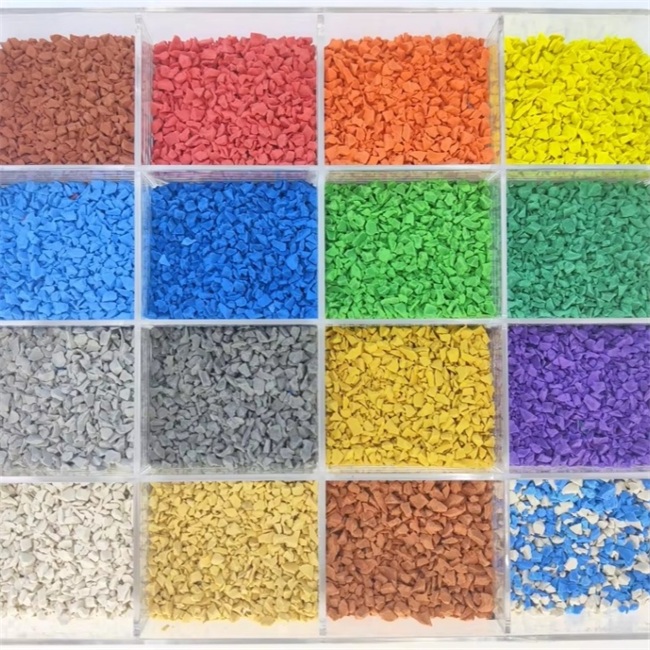
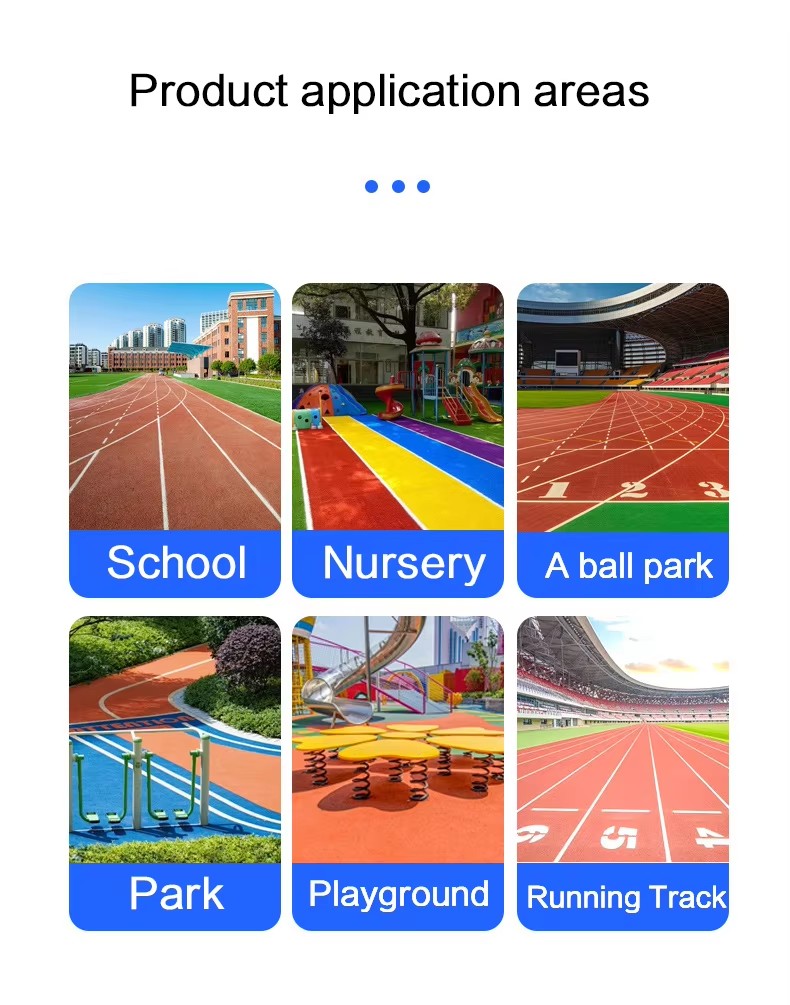
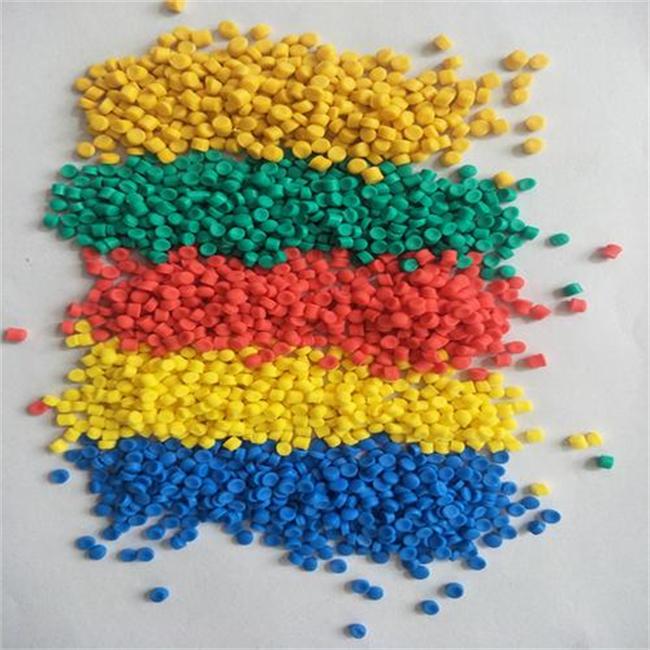
EPDM granules are small, irregularly shaped particles made from ethylene propylene diene monomer (EPDM) rubber, a synthetic material known for its exceptional weather resistance, UV stability, and durability. They are primarily used as a surfacing material for playgrounds, running tracks, sports fields, and other recreational flooring systems. Their key advantages include excellent elasticity for impact absorption, color stability that resists fading even under intense sunlight, and a sulfur-free formulation that enhances both performance and environmental safety.
What Is EPDM?
EPDM stands for Ethylene Propylene Diene Monomer, a type of synthetic rubber that belongs to the M-class of elastomers. Unlike natural rubber or other synthetic rubbers, EPDM is highly saturated, meaning its molecular structure has fewer double bonds, making it inherently resistant to degradation from oxygen, ozone, and UV radiation.

How Are EPDM Granules Made?
EPDM granules are manufactured by compounding raw EPDM rubber with various additives—including fillers, pigments, and curing agents—and then processing the mixture through milling and granulation equipment. The resulting particles are irregular in shape with angular edges, which helps them interlock when mixed with polyurethane binders during installation.
The Sulfur-Free Advantage
Traditional EPDM products are cured using sulfur-based vulcanization systems. However, sulfur can react with metal components in certain applications and can break down under high heat and UV exposure, leading to the release of sulfuric acid—which causes odor and accelerates material degradation.
Sulfur-free EPDM, also known as peroxide-cured EPDM, uses organic peroxides as crosslinking agents. This technology offers several benefits:
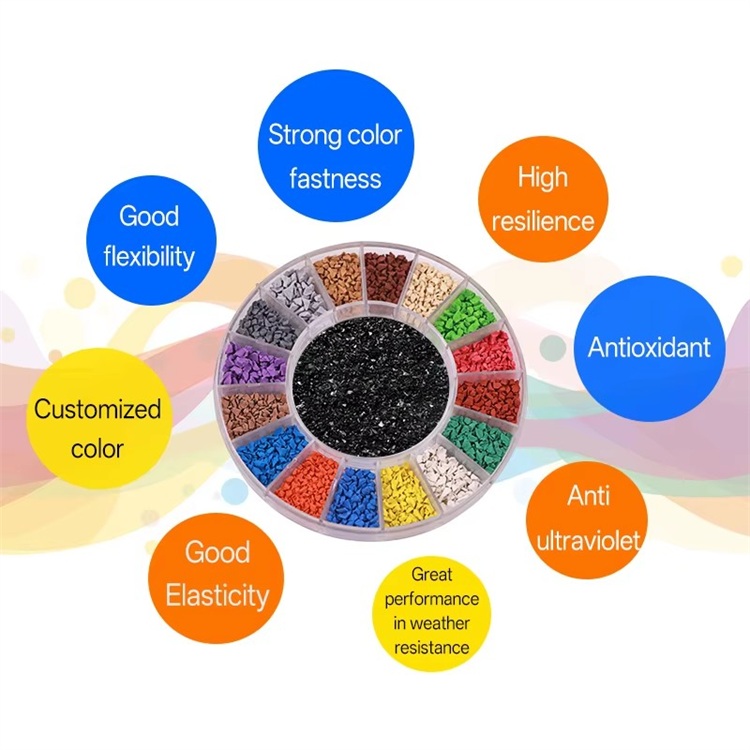
- No odor: Without sulfur, the granules do not decompose to release sulfuric acid, even under high temperatures and strong UV exposure
- Enhanced durability: The molecular structure becomes more stable, extending service life significantly—typically 2 to 3 times longer than sulfur-cured alternatives
- Superior mechanical properties: Tensile strength reaches 4–7 MPa, with elasticity and elongation improved 2–3 times
- Better color retention: Peroxide-cured EPDM resists oxidation, keeping colors vibrant and stable over time
- Environmental safety: Meets food-grade hygiene standards, making it suitable for applications involving children
Practical Considerations
Common Applications
EPDM granules are used across a wide range of applications, each requiring different specifications.
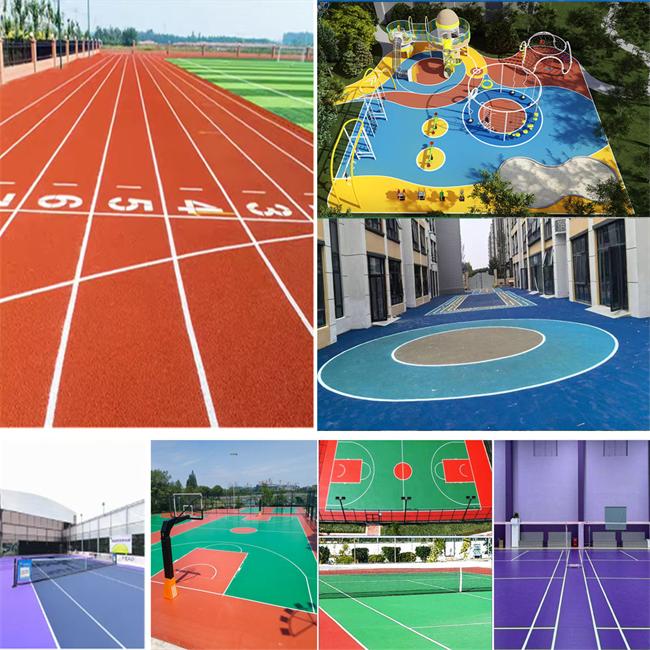
For running tracks, granules in the 2–4 mm range are commonly preferred, with emphasis on abrasion resistance, UV stability, and colorfastness to withstand heavy foot traffic and constant sun exposure.
For playground safety surfacing—particularly wet pour systems—smaller particles of 1–3 mm are typically used. These applications demand high impact absorption, slip resistance, and non-toxic properties to ensure child safety.
For tennis courts and other sports surfaces, finer granules in the 1–2 mm range help create an even finish and provide consistent ball rebound.
When used as artificial turf infill, granule sizes of 1–3 mm are common, contributing to drainage, stability, and non-abrasive performance.
For rubber tiles and molded mats, 2–3 mm granules provide the ideal density and compressibility for durability and comfort.
Performance Parameters to Evaluate
When assessing EPDM granules for a specific project, several key metrics should be considered.
Tensile strength measures the material's resistance to tearing and stretching. Higher values—typically above 3.5 MPa—indicate better durability. Sulfur-free formulations can achieve tensile strength of 4–7 MPa, delivering 2–3 times the performance of standard grades.
Elongation at break reflects flexibility. Values above 400% suggest the granules can withstand movement and impact without cracking. Sulfur-free versions often achieve elongation rates of 550% or higher.
Hardness, measured on the Shore A scale, generally ranges from 55 to 70 for EPDM granules. Softer materials (lower Shore A values) offer superior impact absorption, making them preferable for playgrounds, while harder grades provide more stability for running tracks.
Bulk density is another practical consideration. Lower density means lighter material, which reduces shipping costs and simplifies handling during installation. Sulfur-free formulations typically have lower density while maintaining structural strength.
EPDM content—the percentage of actual EPDM polymer in the granule—is also critical. Higher EPDM content generally correlates with better weather resistance and longer lifespan. Common formulations range from 14% to 40% EPDM content, with higher percentages recommended for demanding outdoor applications.

EPDM Granules Selection Guide
Choosing by Application
The right EPDM granule for your project depends on the specific use case.
For playground safety surfaces, impact attenuation and non-toxicity should be the top priorities. Sulfur-free, food-grade EPDM granules with a particle size of 1–3 mm are ideal for wet pour systems that require fall protection and child safety compliance.
For running tracks and sports fields, look for granules with high tensile strength (at least 3.5 MPa), proven UV resistance, and reliable color stability. Particle sizes of 2–4 mm are standard for most track surfaces.
For infill or decorative landscaping uses, color consistency and particle uniformity matter most. Smaller granules in the 0.5–1.5 mm range work well for artificial turf infill and aesthetic ground cover applications.
Key Factors to Evaluate
When sourcing EPDM granules, pay close attention to particle size consistency—uniform granule sizes ensure a smooth surface texture and even binder distribution during installation.
Color stability is another crucial factor. Look for formulations specifically designed to resist UV-induced fading over time, particularly for applications with high sun exposure.
Material performance—including tensile strength, elongation, hardness, and density—should align with your specific application requirements rather than being chosen generically.
Finally, supply reliability matters. Consistent availability, stable production capacity, and the ability to meet project timelines are essential considerations for professional buyers and contractors.
FAQ
What is the difference between EPDM granules and SBR rubber granules?
EPDM granules are made from synthetic rubber that offers superior UV and ozone resistance, color stability, and longer outdoor durability compared to SBR (styrene-butadiene rubber) granules, which are typically made from recycled tires. EPDM is the preferred choice for premium, long-lasting installations.
Are EPDM granules safe for use around children?
Yes, high-quality EPDM granules, particularly sulfur-free formulations, meet strict safety standards and can achieve food-grade hygiene ratings. They are commonly used in school playgrounds, kindergarten surfaces, and children's recreational areas worldwide.
What particle sizes are available for EPDM granules?
Common sizes range from 0.5 mm to 5 mm. The most frequently used sizes include 0.5–1.5 mm for fine finishes and infill, 1–3 mm for playground safety surfaces, 2–4 mm for running tracks, and 3–5 mm for heavier-duty applications. Most manufacturers offer customization within these ranges.
How long do EPDM granule surfaces last?
With proper installation and routine maintenance, high-quality EPDM surfaces can last 10–15 years or more. Sulfur-free formulations offer significantly extended lifespans due to superior resistance to UV degradation, oxidation, and temperature fluctuations.
Can EPDM granules be customized by color?
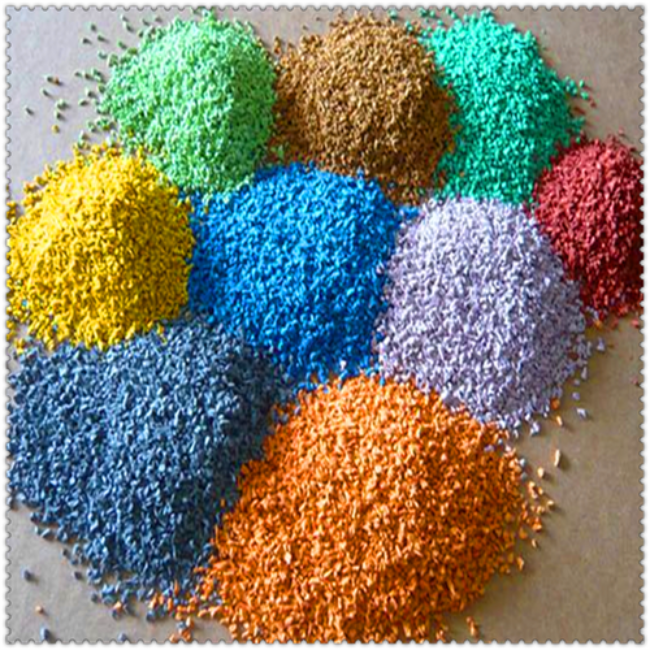
Yes, EPDM granules are available in a wide range of standard colors—typically 15 or more shades—and can be custom-colored to meet specific design or branding requirements. Color consistency is a hallmark of quality manufacturing.
How do I know what EPDM content I need for my project?
Higher EPDM content generally provides better weather resistance and longevity. For demanding outdoor applications with high UV exposure or temperature variation, choose granules with 20–25% or higher EPDM content. For indoor or less demanding applications, lower content may be adequate to meet budget constraints.
What is the difference between sulfur-cured and peroxide-cured EPDM granules?
Peroxide-cured (sulfur-free) EPDM granules offer superior odor resistance, higher tensile strength, improved elasticity, better color stability, and extended service life compared to sulfur-cured alternatives. They are also more environmentally friendly and suitable for sensitive applications like playgrounds and children's facilities.
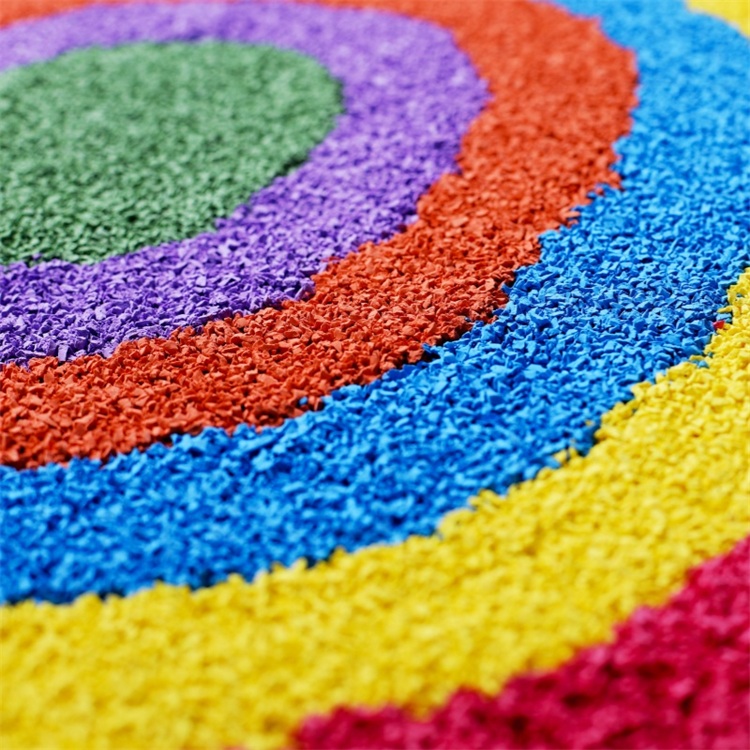
EPDM granules are a versatile, durable surfacing material ideal for playgrounds, sports facilities, and recreational areas—especially when produced using sulfur-free technology, which delivers superior performance in tensile strength, elasticity, color stability, and environmental safety. When selecting EPDM granules for your project, consider the specific application, required particle size, and performance specifications to ensure optimal results.
If you are looking for EPDM rubber granules with specific particle sizes, colors, or performance requirements, we are here to help. With over 25 years of industry experience, advanced production lines, and the flexibility to handle custom orders of any size, we can support your project from specification to delivery. Contact us to discuss your requirements.

WOW(LYG) New Material Co Ltd is a manufacturer specializing in the production of EPDM rubber granules. We use sulfur-free vulcanization technology, it increases the service life by more than 3 times than traditional EPDM granules, and enhances the performance, including anti-aging, high-temperature resistance, and colorfastness.
We have over 25 years of production experience and offer customization for colors and granule sizes. NO MOQ.


