 注: 建议图片大小150px*50px

丨
注: 建议图片大小150px*50px 
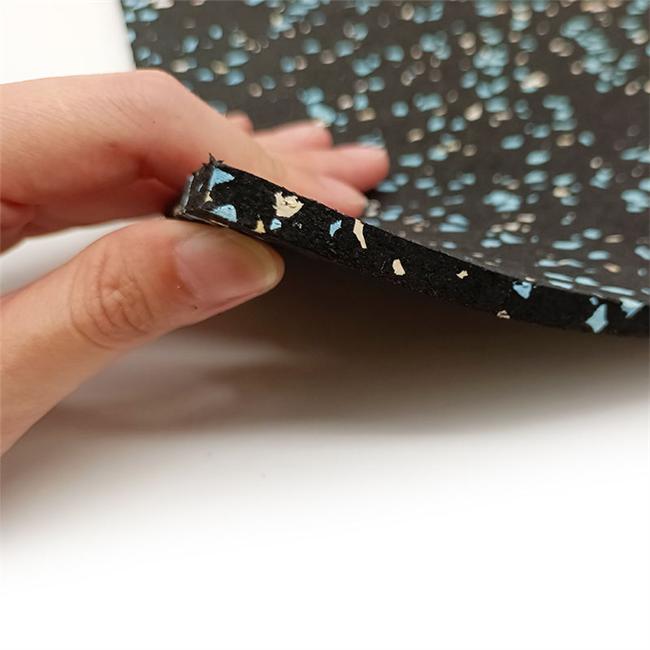

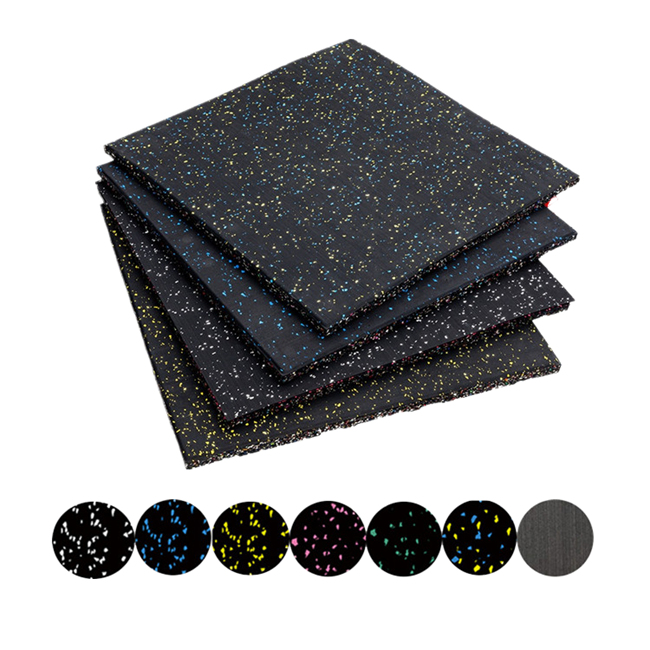

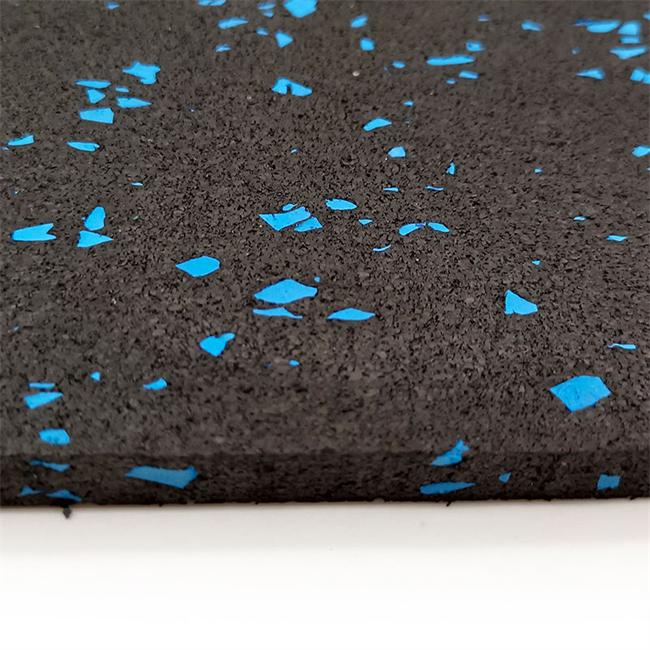

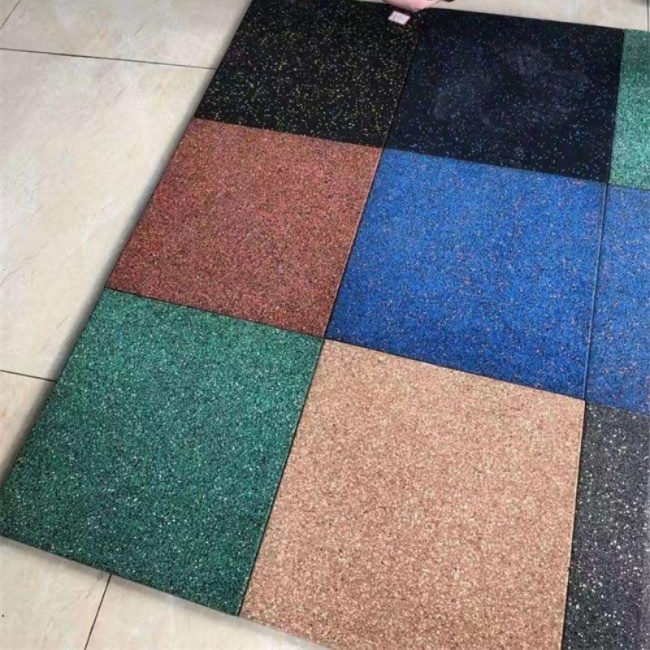

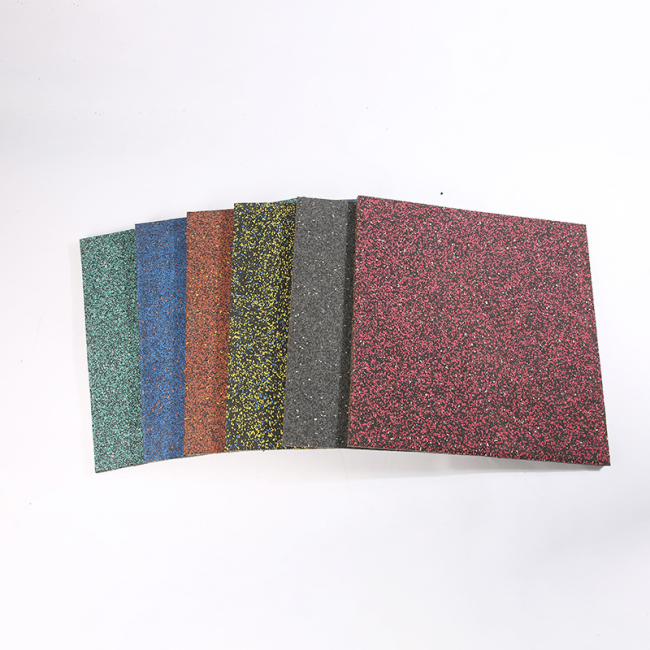

For contractors, facility managers, and design professionals specifying flooring for demanding environments, the choice of material directly impacts safety, longevity, and lifecycle costs. EPDM Rubber Mat is not a generic rubber product—it is a high-performance surfacing solution engineered for applications where standard rubber falls short. This guide provides the technical and practical information needed to assess whether an EPDM flooring mat is right for your project and how to select the appropriate specification.
What is an EPDM Rubber Mat?
EPDM Rubber Mat is a flooring product manufactured from Ethylene Propylene Diene Monomer, a synthetic rubber compound distinct from common recycled rubber (SBR). The key differentiator is the polymer's molecular structure, which is inherently saturated and stable. This gives the resulting EPDM Mat a fundamental resistance to environmental degradation that standard rubber mats do not possess.
While standard rubber mats—often made from SBR (Styrene-Butadiene Rubber)—are suitable for indoor applications and offer good abrasion resistance at a lower cost, they degrade under outdoor conditions. Standard SBR rubber mats will suffer from UV degradation, surface cracking, and hardening within 2 to 5 years of permanent outdoor exposure. The primary advantage of an EPDM Rubber Mat is that it is formulated specifically for outdoor durability and UV stability, making it the standard for exposed applications.
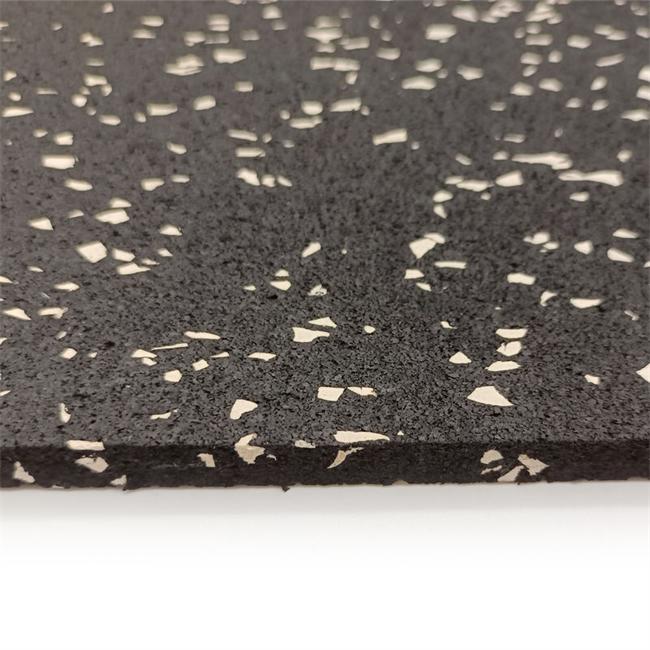
Structure, Materials, and Surface Characteristics
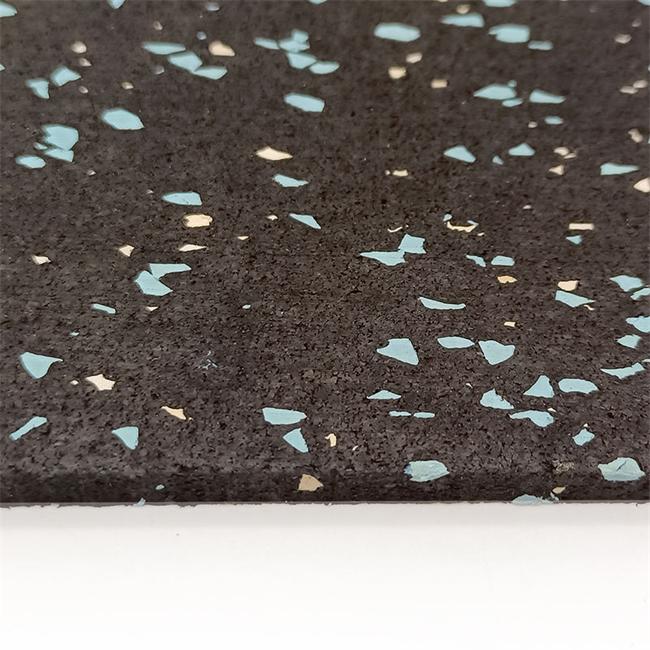
EPDM Flooring Mat is a solid, vulcanized rubber sheet or mat. While black is common for general-purpose industrial use, the material is available in a broad spectrum of colors, including blue, green, grey, red, and white. This color stability is a key performance indicator; EPDM is colorfast and does not fade significantly under UV exposure, unlike other rubber compounds.
Common Specifications (General):
- Surface Patterns: Available with various textures, including diamond/rhombus patterns for enhanced slip resistance on steep inclines, and smooth or speckled surfaces for gym and playground applications.
- Density: The specific gravity of EPDM compounds typically ranges from 1.3 to 1.6 g/cm³.
- Hardness: Commonly available in Shore A hardness grades from 40 to 85, with 65±5 being a typical specification for a balance of cushioning and support.
- Temperature Range: EPDM mats maintain their flexibility and structural integrity across a wide temperature range, typically from -40°C to over 100°C.
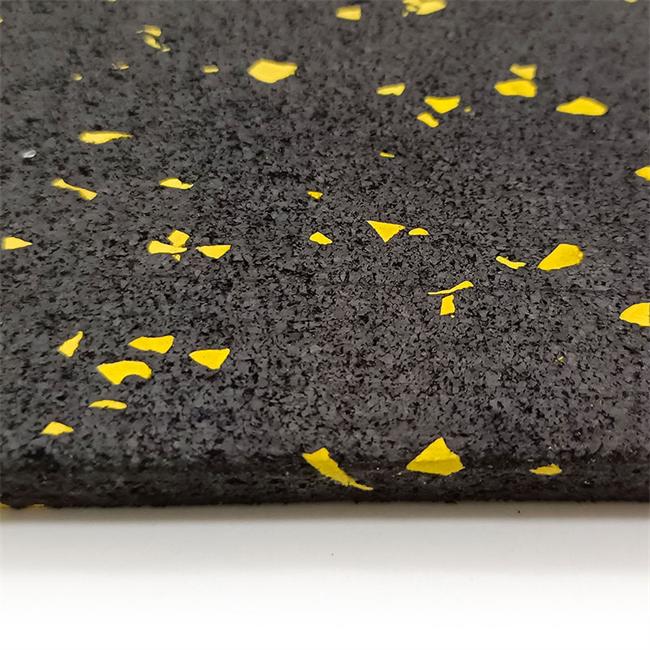
Applications and Problem-Solving
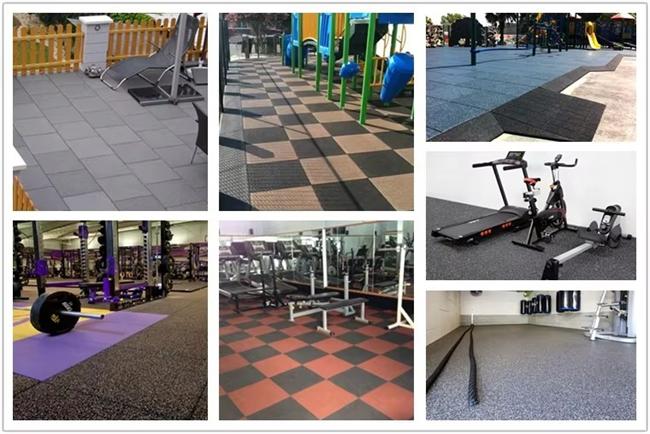
The distinct properties of the EPDM Rubber Mat make it suitable for a range of applications. The primary value lies in solving specific on-site problems:
- Playgrounds (EPDM Playground Mat): Provides critical impact attenuation for falls and maintains safety performance in all weather conditions. The colorfastness ensures surfacing remains visually appealing for years, and the material's resistance to moisture prevents degradation from rain, urine, or spills.
- Outdoor Fitness Areas & Sports Facilities (EPDM Outdoor Mat): Ideal for outdoor gyms, training areas, and walking tracks, offering a durable, non-slip surface that is weatherproof and ozone-resistant.
- Gyms and Fitness Centers (EPDM Gym Mat): In premium gyms, colored EPDM flecks or surfaces are used for high-end aesthetics, while the material itself provides excellent noise reduction and shock absorption to minimize joint strain and reduce equipment impact noise.
- Marine and Outdoor Walkways: The UV and water resistance of EPDM makes it suitable for boat decks, quaysides, and ramp surfaces where slipping is a hazard.
Practical Benefits for Projects
Specifying an EPDM Rubber Mat provides measurable advantages that impact both the installer and the end-user:
- Reduced Maintenance Costs: EPDM's resistance to weather and UV means it does not require protective coatings, sealants, or frequent replacement due to cracking. Regular cleaning simply involves sweeping and washing with a mild detergent.
- Enhanced Safety: EPDM surfaces maintain a high coefficient of friction even when wet, significantly reducing slip risks. The inherent resilience also protects users and equipment from impact forces.
- Color Retention: For projects where aesthetics are crucial, the color of an EPDM Flooring Mat will remain stable. SBR-based colored products will typically fade under sun exposure.
How to Select the Correct EPDM Mat
The selection process is driven by application requirements and site conditions.
By Thickness and Use Case
- 6mm – 12mm: General commercial flooring, entrance matting, light-duty gym areas (cardio, aerobics), and anti-fatigue workstations.
- 15mm – 20mm: High-traffic gym areas, heavy free-weight zones, and commercial equestrian flooring.
- 20mm – 30mm: Olympic weightlifting areas and industrial flooring where heavy loads are handled.
- 40mm – 80mm (or more): Playground safety surfacing, where thickness is determined by the equipment's Critical Fall Height (CFH) rather than a general rule.
By Surface and Installation
- Interlocking mats (EPDM Interlocking Mat): These use edge connectors (e.g., tooth-buckle systems) for fast, tool-free installation. They allow for modular expansion and easy replacement of damaged sections.
- Rolls and Sheets: Provide a seamless finish suitable for large areas. They are typically cut to size on-site and may require adhesive for permanent installation.
By Environment
- Outdoor: EPDM is the correct choice for all permanent outdoor installations.
- Wet Areas: For environments with pooled water, specify mats with drainage holes or a raised surface pattern to prevent hydroplaning.
Comparison: EPDM vs. SBR Rubber Mat
When evaluating material options, the distinction between EPDM and SBR (standard recycled rubber) is critical. EPDM offers excellent UV resistance and is specifically rated for outdoor use, with colorfast properties that prevent fading and degradation. SBR rubber, while more economical, performs poorly in outdoor conditions—it degrades, fades, and cracks when exposed to sunlight and weather over time.
In terms of ozone and weather resistance, EPDM again provides excellent protection, whereas SBR is notably poor in this area. This durability comes at a higher cost, with EPDM typically priced 30-60% above SBR compounds. The application environment should guide your choice: EPDM is the standard for outdoor playgrounds, marine settings, terraces, and high-end gyms, while SBR mats are adequate for indoor gyms, stables, and general-purpose floor protection.
It is also worth noting that EPDM compounds generally have a lower odor profile compared to recycled SBR rubber mats. If your application is fully enclosed and away from UV exposure, an SBR mat may be a more cost-effective solution. However, for any installation where sunlight, moisture, or temperature fluctuation is a factor, EPDM is the appropriate specification.
Customization Options
To meet specific project requirements, EPDM Rubber Mats can be customized in several ways:
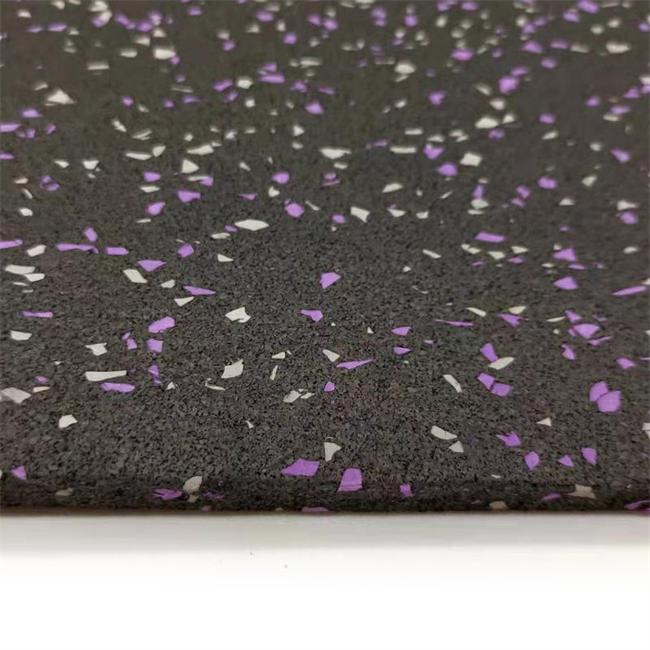
- Colors: Available in standard colors (black, green, blue, grey, red) with options for RAL-matched or custom color blends for specific projects.
- Size and Thickness: Can be manufactured in various widths, lengths, and thicknesses (e.g., from 1mm to 50mm) to fit specific areas or meet impact requirements.
- Surface Design: The top surface can include colored flecks for aesthetic speckling, or incorporate custom logos and safety markings within the EPDM layer.
Practical Installation and Use Considerations
- Acclimatization: Allow the mat to acclimate in the installation environment for 24-48 hours before installation to prevent expansion or contraction after fitting.
- Subfloor Preparation: The subfloor must be clean, level, and dry. For glued installations, a moisture barrier may be necessary on concrete slabs.
- Fitting: Cut the material with a sharp utility knife and a straight edge. For fixed installations, use an appropriate rubber adhesive. For modular installations, leave a small expansion gap (e.g., 3-5mm) around walls and fixed objects.
- Cleaning: Routine cleaning involves sweeping and mopping. Use neutral detergents; avoid solvent-based cleaners or bleach, which can degrade the rubber.
Frequently Asked Questions (FAQ)
Can I use a standard rubber mat outdoors instead of an EPDM mat?
For permanent outdoor use, it is advisable to specify an EPDM Mat. Standard SBR rubber mats are not UV-stable and will degrade through surface cracking, loss of flexibility, and color fading. EPDM is formulated to resist these effects.
Is EPDM mat slip-resistant?
Yes. EPDM rubber inherently has a high coefficient of friction, and surface textures like diamond, studded, or coin patterns are designed to enhance slip resistance in wet or dry conditions.
How thick should my playground EPDM mat be?
The correct thickness for a playground is determined by the equipment's Critical Fall Height (CFH) and must be certified to meet safety standards like EN 1177 or ASTM F1292. Thickness is a function of performance testing, not a fixed number.
Does EPDM mat have an odor?
EPDM compounds typically have a significantly lower odor than standard recycled SBR rubber mats. Any slight initial odor will dissipate with ventilation over a period of days to weeks.
What is the typical lifespan of an EPDM outdoor mat?
EPDM is known for its long service life in outdoor environments, with many installations performing well for over a decade. Actual lifespan depends on thickness, traffic levels, and maintenance practices. For specific durability expectations, consult the product data sheet for the compound you are specifying.
Can EPDM mats be installed over concrete?
Yes, concrete is a common substrate for EPDM flooring. The concrete surface must be cured, clean, and free of dust, oil, or sealers that could prevent adhesion. For outdoor installations, adequate drainage should be ensured to prevent water pooling beneath the mat.
Get the Right EPDM Mat for Your Project
Specifying the correct flooring is critical to the safety and longevity of your project. Whether you need colored EPDM Playground Mats for a school, durable EPDM Gym Mats for a commercial facility, or a custom solution for a specialized application, the right product is available.
Contact us to discuss your project's specific requirements. We can provide detailed specifications to help you select the appropriate thickness, size, color, and surface finish for your application.
Share your project details—including intended use, area dimensions, preferred thickness, and color requirements—and we will recommend the most suitable EPDM mat configuration. Request product samples to evaluate material quality and color accuracy before placing an order. Inquire about lead times and shipping options to plan your project timeline effectively. Let our team help you specify the ideal EPDM Rubber Mat for your unique environment.


