 注: 建议图片大小150px*50px
丨
注: 建议图片大小150px*50px 
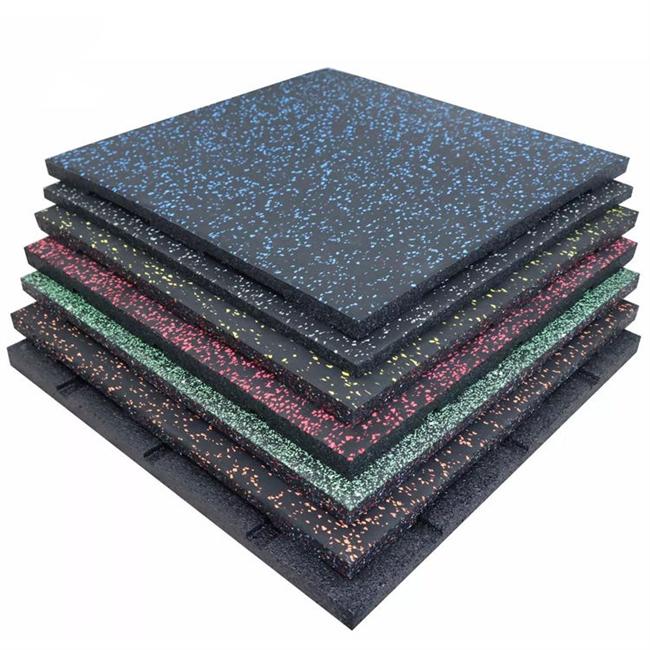

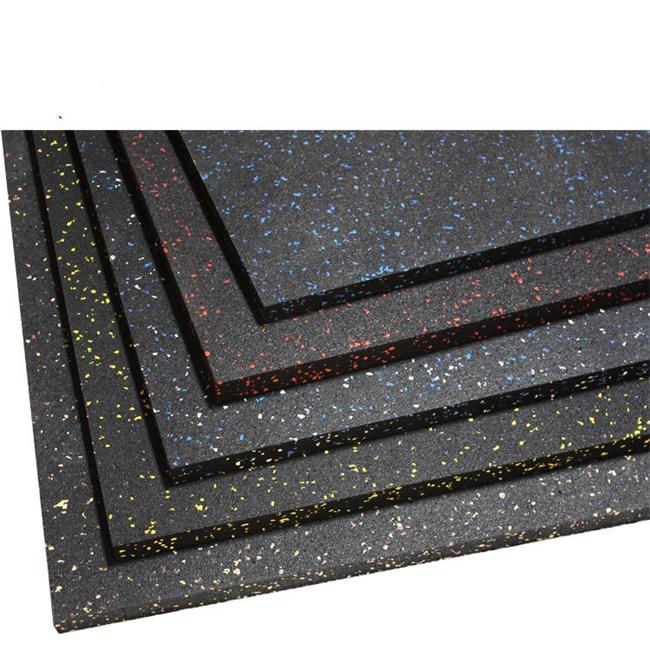

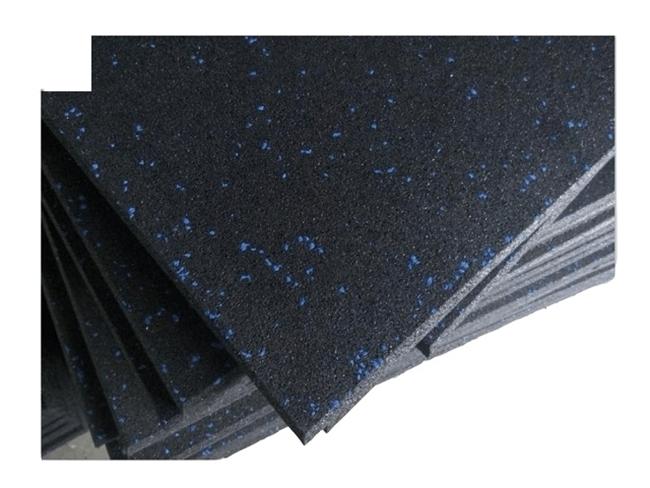

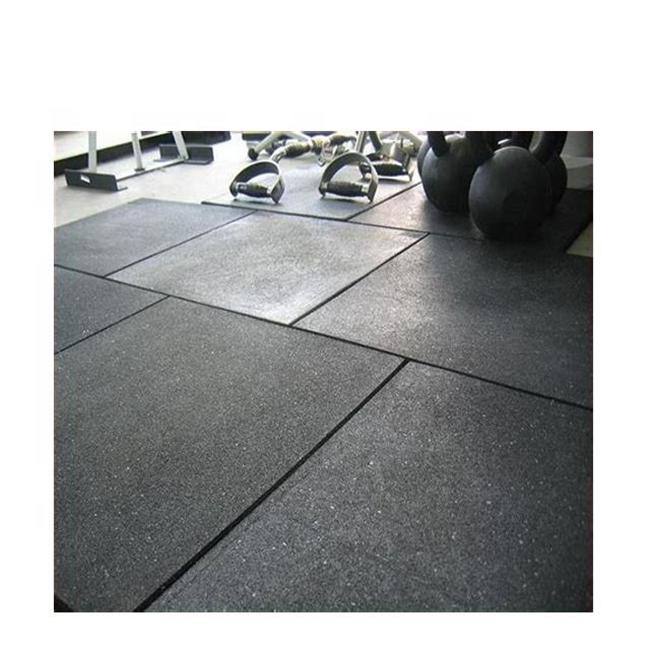

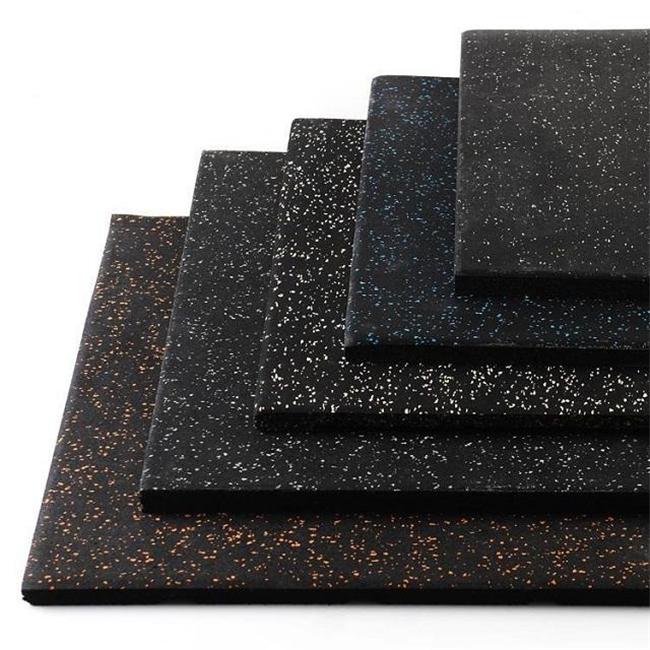

When specifying flooring for commercial gyms, playgrounds, or outdoor fitness areas, the material choice directly affects safety, durability, and long-term maintenance costs. The 15mm thick EPDM surface gym floor rubber mat has become a benchmark specification for applications requiring impact absorption, slip resistance, and weather durability.
What Is EPDM Rubber Mat?
EPDM (Ethylene Propylene Diene Monomer) is a synthetic rubber compound known for its exceptional resistance to UV radiation, ozone, and weathering. Unlike standard rubber mats made from SBR (Styrene-Butadiene Rubber), which degrade under prolonged sun exposure, EPDM rubber mats maintain their physical properties and appearance outdoors over extended periods.
The key distinction between EPDM and ordinary rubber mats lies in polymer chemistry. SBR is a cost-effective material with good abrasion resistance, making it suitable for indoor applications like entryway mats or basic gym flooring. However, SBR lacks the saturated polymer backbone that gives EPDM its UV and ozone stability. When exposed to sunlight and moisture, SBR mats can become brittle, fade, and eventually crack. EPDM, by contrast, is engineered for environments where weathering is a primary concern.
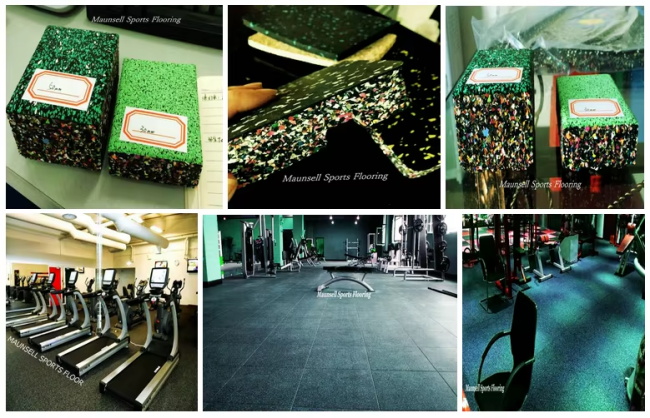
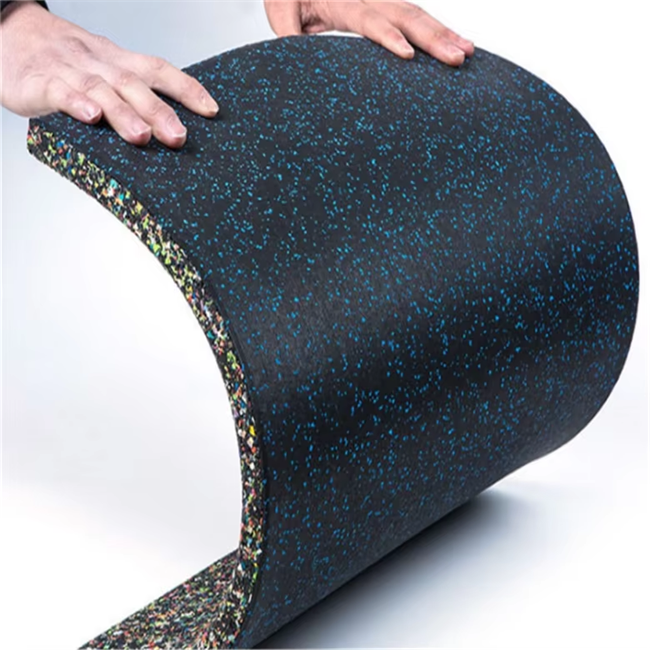
EPDM Rubber Mats are typically constructed with a dense EPDM surface layer combined with a base layer that may incorporate SBR or recycled rubber for structural depth, balancing weatherproof colour stability with cost-effectiveness.
Structure, Materials, and Surface Characteristics
Material Composition
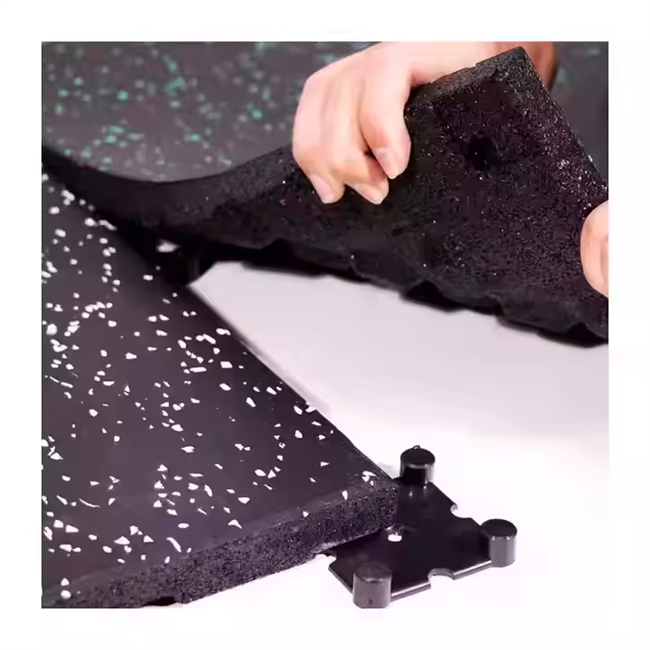
EPDM flooring mats are manufactured by vulcanizing rubber compounds under heat and pressure. The EPDM content provides the surface with colour stability and weather resistance, while the base layer contributes structural support and impact absorption.
Surface Texture
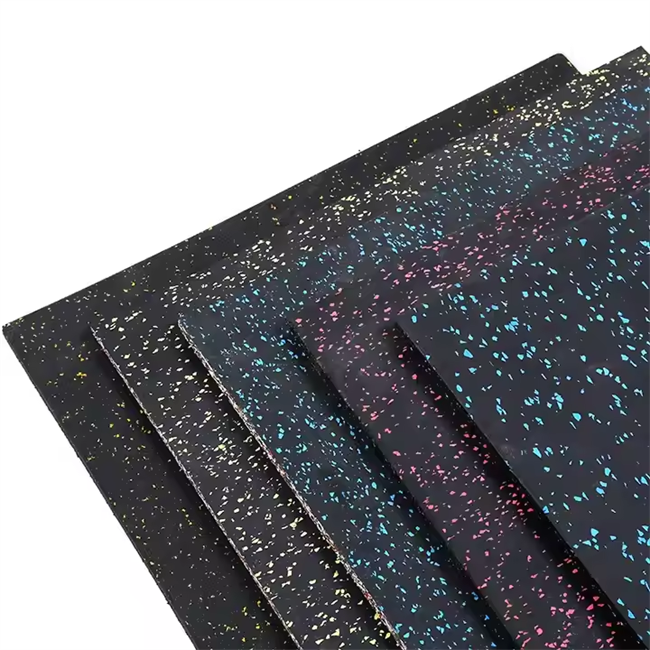
EPDM mats feature various surface profiles depending on the application. Smooth or lightly textured surfaces are common in gym settings, offering a balance of traction and ease of cleaning. Rhombus or diamond patterns provide enhanced slip resistance for wet environments or inclined surfaces. Studded or open-grid profiles allow water drainage for outdoor applications such as poolside areas or decking.
Common Specifications
For thickness, 15mm is the most frequently specified option for gym flooring, though 20mm, 25mm, and 30mm are also available for heavier impact zones. Tile sizes commonly come in 500×500mm or 1000×1000mm formats. The surface hardness typically falls in the range of 60 to 70 Shore A, and the material can withstand temperatures from -40°C to +120°C. Standard colours include black, grey fleck, and various coloured fleck options. The 15mm thickness represents the minimum recommended thickness for gym flooring applications where moderate impact protection is required; thicker mats provide greater shock absorption for heavier weight drops.
Primary Applications
Gym and Fitness Facilities
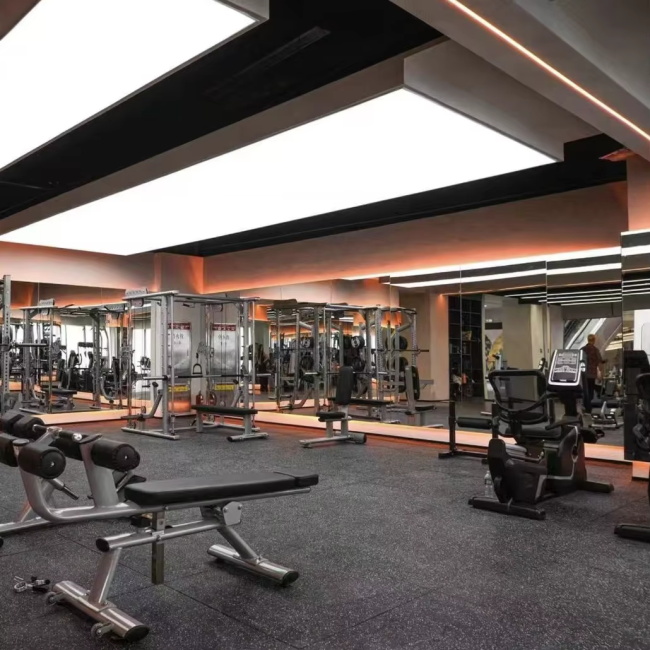
EPDM gym mats are widely specified for commercial gyms, home gyms, and fitness centres. The 15mm thickness offers sufficient impact absorption for weight training areas, functional fitness zones, and cardio equipment flooring. Users report that properly specified EPDM mats provide acoustic damping and remain stable underfoot without shifting.
Playgrounds and Children’s Play Areas
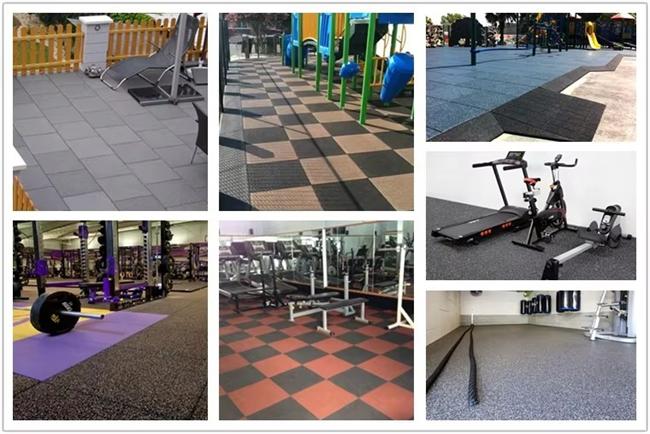
EPDM rubber mats are a common choice for playground safety surfacing due to their impact-absorbing properties and colour stability. The material can be customized with bright colours and surface designs to create engaging play environments while meeting impact attenuation standards.
Outdoor Fitness Areas
For outdoor gym installations, EPDM is the preferred compound over SBR. The material’s UV and ozone resistance ensures the flooring retains its colour and mechanical properties despite sun, rain, and temperature fluctuations. Many outdoor gym mats incorporate drainage features to prevent water pooling.
Sports Facilities
EPDM rubber mats are used in multi-purpose sports areas, stretching zones, and warm-up areas. The material provides consistent shock absorption and slip resistance across a range of athletic activities.
Other Applications
The material is also suitable for commercial club and school fitness areas, patio and terrace decking, walkways and ramps where slip resistance is critical, and areas requiring cleanroom-compliant flooring.
Problems EPDM Mats Solve
Ground Safety and Impact Absorption
15mm thick EPDM rubber mats provide a cushioned surface that reduces the risk of injury from slips, trips, and falls. The material’s elastic properties absorb impact energy, protecting both users and equipment.
Slip Resistance
EPDM mats maintain traction even when wet. Textured surface profiles channel water away and provide grip, reducing slip hazards in gyms, poolside areas, and outdoor environments. This is particularly important for commercial facilities with liability considerations.
Weather and UV Resistance
Unlike SBR, EPDM does not degrade under UV exposure. It resists ozone cracking and remains flexible across a wide temperature range. This makes it a long-lasting solution for outdoor applications where other rubber compounds fail within one to two seasons.
Colour Retention
EPDM’s UV stability means coloured surfaces retain their appearance far longer than alternatives. For projects where aesthetics matter—playgrounds, fitness centres, or public spaces—EPDM offers a material that won’t fade to an unattractive grey within months of installation.
Low Maintenance
EPDM mats are non-porous and easy to clean with standard damp mopping and mild detergents. Their resistance to moisture and chemicals prevents degradation that can occur with less durable materials.
Advantages and Value
For Engineering and Procurement Teams
EPDM’s weather resistance translates to a longer service life with lower replacement frequency, yielding better life-cycle cost outcomes for projects. The material’s dimensional stability and resistance to thermal expansion reduce the risk of buckling, warping, or creating trip hazards. EPDM floors can be engineered to meet slip resistance standards such as R11 or R12 ratings, which supports compliance requirements.
For Facility Owners and Operators
Slip-resistant surfaces and impact absorption lower injury risk and potential liability exposure. Colours remain vibrant, preserving the intended design without costly replacement. Simple cleaning requirements reduce ongoing maintenance effort and expense.
For End Users
Shock absorption reduces joint stress during exercise and prolonged standing. Dense EPDM mats remain in place, providing a confidence-inspiring surface for lifting and movement.
How Thickness, Size, Colour, and Surface Profile Affect Selection
Thickness
For thickness selection, 10mm to 12mm mats are generally suitable for light activity, cardio zones, and agility training. The 15mm thickness is the common specification for general gym flooring and moderate weight training. For heavy Olympic lifting and high-impact zones, 20mm to 25mm is typically recommended. For maximum impact protection in specialized applications, 30mm or thicker may be specified. The 15mm thickness offers a balance between protection and cost, suitable for most commercial gym and fitness applications, though thicker mats may be required for high-impact areas or where heavier weights are dropped.
Tile Size
Standard sizes such as 500×500mm and 1000×1000mm facilitate straightforward installation and allow mixing of colours or patterns. Larger tiles reduce the number of seams, which may be preferred in high-traffic areas or where a seamless appearance is desired.
Colour
EPDM mats are available in black as a standard, cost-effective option; grey fleck, which is popular for gyms and hides dirt effectively; and custom colours or coloured fleck patterns for design-specific projects. Colour choice affects both aesthetics and practicality. Lighter colours may show dirt more readily but can contribute to a brighter environment. Darker colours hide scuff marks but may absorb more heat when used outdoors.
Surface Structure
Smooth or lightly textured surfaces are suitable for indoor gyms and are easy to clean. Diamond patterns offer enhanced slip resistance for wet or inclined surfaces. Open-grid profiles allow water drainage for outdoor decking and pool areas. Studded surfaces maximize traction for ramps and walkways.
Connection and Installation Method
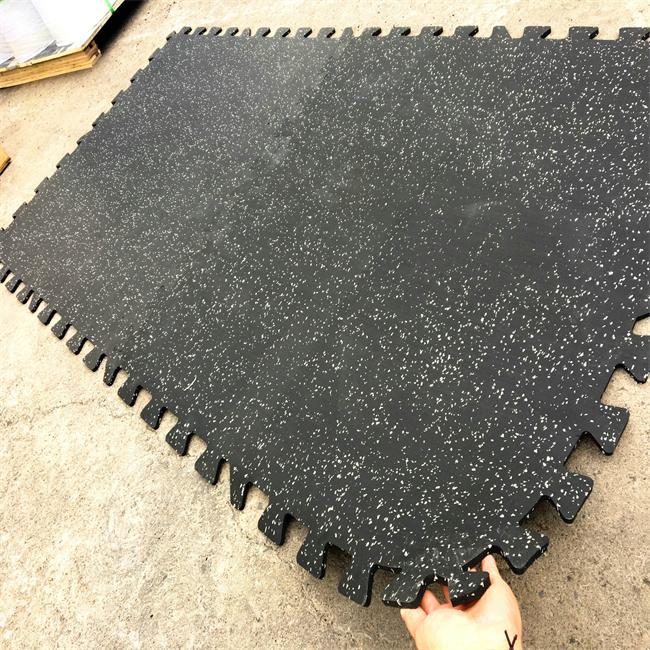
EPDM mats may be loose-laid, where the weight of the mat holds it in place, which is suitable for smaller areas or temporary installations. They may also be adhesive-fixed for permanent installation using flexible outdoor flooring adhesive. Some EPDM mats feature interlocking edges for a stable, seamless surface without adhesive.
Application-Specific Selection Guidance
Commercial Gym Flooring
For commercial gym flooring, the recommended specification is 15mm EPDM mats with a smooth or lightly textured surface in 1m×1m tiles, available in grey fleck or black. This provides adequate protection for weight training and cardio zones while being easy to clean and maintain. The dense construction ensures mats remain stable during use.
Playground Surfacing
For playground surfacing, 15mm or thicker EPDM mats in bright colours are recommended, potentially with custom surface designs. Colour retention is critical for playground aesthetics, making EPDM the preferred compound over SBR. If fall height requirements exceed the capacity of 15mm thickness, thicker mats should be specified or a safety surface specialist consulted.
Outdoor Fitness Area
For outdoor fitness areas, 15mm EPDM mats with drainage features or textured surface are recommended. The EPDM compound must be specified to prevent UV degradation. Consider whether the mats will be installed on a solid, drained base to prevent water pooling beneath the surface.
Sports Facility Walkways and Warm-up Areas
For sports facility walkways and warm-up areas, 15mm EPDM mats in standard tile sizes are suitable, with surface texture chosen based on anticipated footwear and moisture levels.
Areas Where EPDM Is Not the Best Choice
EPDM is not recommended for areas with oil or fuel exposure, as it has poor resistance to petroleum-based products—nitrile rubber is better suited for workshops, garages, or areas with oil spills. For budget-constrained indoor-only projects, SBR or recycled rubber mats may offer adequate performance at lower initial cost where UV exposure is not a concern. For electrical safety applications, neoprene offers inherent flame retardancy and is often specified.
Customization Options
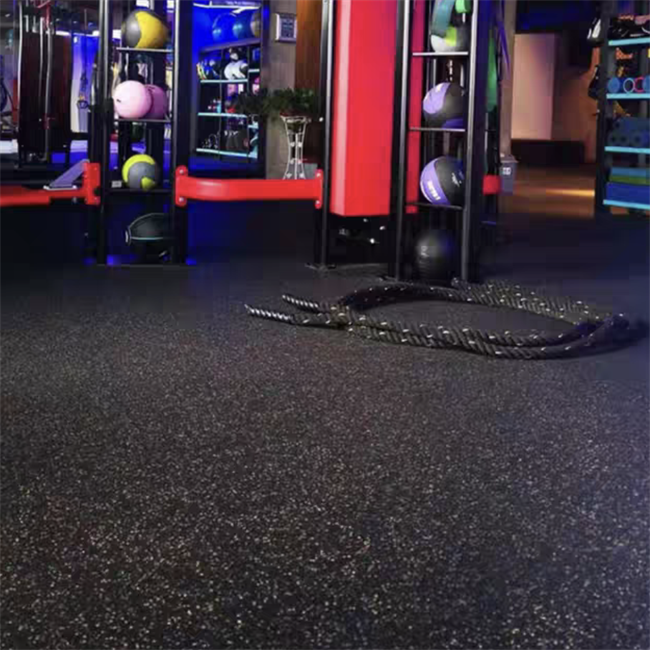
EPDM rubber mats can be customized in several ways, depending on the manufacturer’s capabilities. Colour options include standard colours such as black and grey, as well as custom colours with RAL matching often available. Dimensions typically come in standard 500mm and 1000mm tile sizes, though custom sizes and shapes may be available for larger projects. Thickness can range from 15mm to 30mm or more. Surface design can be smooth, studded, diamond-patterned, or feature custom embossed textures. Edge profiles can be straight-cut or interlocking for secure installation. Base layer composition can be SBR, recycled rubber, or full EPDM construction, depending on performance requirements and budget. Custom orders typically require minimum batch quantities, especially for non-standard colours or unique dimensions.
Procurement Considerations
Packaging and Shipping
EPDM rubber tiles are typically shipped in quantities ranging from 1 to over 100 square metres. Packaging is usually individual tiles for small orders, stacked on pallets and shrink-wrapped for commercial quantities, or on wooden pallets for international shipping. Tile weight varies by size and thickness—a 1m×1m, 15mm EPDM tile weighs approximately 13 to 14 kilograms. This weight contributes to stability once installed but also affects shipping costs.
Samples and Testing
Most suppliers offer free or low-cost material samples for physical evaluation. Procurement and engineering teams should request samples to verify colour, texture, and hardness, conduct site-specific slip resistance testing if required, and assess odour—EPDM generally has lower odour than SBR.
Lead Times
Lead times for standard EPDM mats vary. Stock items often ship within 7 to 20 working days, while custom orders require additional time for colour matching, tooling, or custom sizing.
Order Quantity and Minimums
Sample orders of 1 to 2 tiles are typically available. Small commercial orders start from 10 to 100 tiles. Custom orders may have minimum batch quantities, so this should be confirmed with the supplier.
Installation Considerations
EPDM mats can be loose-laid on flat, clean surfaces for many applications. For permanent outdoor installations, adhesives specifically formulated for EPDM should be used. Ensure the substrate has adequate drainage to prevent water pooling beneath the mats.
Comparing EPDM Mats with Common Alternatives
When comparing EPDM mats with SBR rubber mats, EPDM offers excellent UV resistance and colour stability, while SBR has poor UV resistance and fades over time. For outdoor suitability, EPDM is excellent whereas SBR is limited. In terms of cost, EPDM is in the medium range while SBR is the lowest-cost option. For impact absorption, both are good, though SBR can be excellent in some formulations. For oil resistance, both EPDM and SBR are poor, so neither is suitable for workshop or garage environments. Typical uses for EPDM include outdoor gyms, playgrounds, and permanent installations, while SBR is typically used for indoor gyms and entry mats.
When comparing EPDM with recycled rubber tiles, EPDM again offers excellent UV resistance and colour stability, while recycled rubber has limited UV resistance. Cost for EPDM is medium, while recycled rubber is low. Impact absorption is good for EPDM and also good for recycled rubber. Typical uses for recycled rubber tiles are budget flooring and temporary installations.
EPDM is the specification choice where outdoor durability, UV stability, and colour retention matter. For indoor gyms with no UV exposure, SBR can offer adequate performance at lower cost.
Frequently Asked Questions
What is the difference between EPDM and SBR rubber mats?
EPDM is a synthetic rubber compound with excellent resistance to UV radiation, ozone, and weathering. SBR is more cost-effective but degrades under prolonged sun exposure. For outdoor applications, EPDM is the correct choice; for indoor-only applications with no UV exposure, SBR may be suitable.
Is a 15mm thick EPDM mat sufficient for a commercial gym?
For general gym flooring, weight training areas, and cardio zones, 15mm provides adequate impact absorption and stability. For Olympic weightlifting areas or zones where heavy weights are dropped repeatedly, thicker mats of 20mm to 25mm may be required.
Can EPDM rubber mats be used outdoors?
Yes—EPDM is specifically formulated for outdoor use. It resists UV degradation, remains flexible in cold temperatures, and maintains slip resistance when wet. EPDM is considered the minimum specification for outdoor rubber flooring that must last.
How do I clean and maintain EPDM gym flooring?
EPDM mats can be cleaned with a damp cloth or mop and a mild detergent. Avoid harsh chemicals that may degrade the rubber. The non-porous surface resists staining, making maintenance straightforward.
What slip resistance do EPDM mats provide?
Textured EPDM mats can achieve R11 or higher slip resistance ratings. For outdoor wet use, look for mats with a Pendulum Test Value (PTV) of 36 or higher. Surface texture selection significantly affects slip resistance.
Do EPDM mats have a strong odour?
EPDM generally has less odour than SBR. The smell is not harmful and typically dissipates within a few days of installation and ventilation.
Can EPDM mats be customized with specific colours or designs?
Yes. Many manufacturers offer custom colours with RAL matching available, custom sizes, and custom surface textures for larger orders. Minimum batch quantities typically apply.
How long do EPDM rubber mats last?
While specific lifespan depends on usage and environmental conditions, EPDM’s resistance to UV and weathering contributes to a service life measured in years rather than months. Well-engineered EPDM outdoor mats can last 15 to 25 years.
What thickness is required for playground safety surfacing?
Thickness must be determined by the required critical fall height. A 2-metre fall height may require 60mm to 80mm of EPDM granule surface. For tile-based EPDM mats, consult the manufacturer’s performance data for impact attenuation ratings.
Are EPDM mats suitable for use under heavy equipment?
Yes, provided the mat thickness and density are sufficient for the application. The Shore A hardness of 60 to 70 provides a stable surface under heavy loads. The dense construction prevents compression and deformation under equipment weight.
Get the Right EPDM Mat for Your Project
Choosing the correct EPDM rubber mat involves matching material properties, thickness, surface profile, and colour to your specific application and environment. The 15mm thick EPDM surface gym floor rubber mat is a versatile specification suitable for many gym, playground, and outdoor fitness applications, but your project may require different thicknesses, custom colours, or specific surface textures.
To determine the best solution for your project, consider what matters most:
- What is the primary use—gym, playground, outdoor fitness, or sports facility?
- Will the mat be installed indoors, outdoors, or under cover?
- What impact protection is required based on the activities and equipment?
- Does your project have specific colour or design requirements?
- How many square metres do you need, and what is your delivery timeline?
Contact us with your project specifications—application type, area size, required thickness, colour preferences, and any custom requirements. Our team can provide material recommendations, dimensional guidance, and samples to ensure the EPDM mats you select deliver the performance your project demands.
Ready to specify the right EPDM flooring for your project? Send us your project details—including application, area size, thickness preference, and colour requirements—and we’ll respond with product recommendations, technical data sheets, and sample availability.
For bulk procurement or custom orders, request a quote with your target quantity and delivery timeline. We can provide packaging dimensions, shipping weight calculations, and lead time estimates to support your logistics planning.
If you are evaluating EPDM against SBR or other rubber flooring options for a specific environment, let us know your installation conditions—indoor, outdoor, moisture exposure, and load requirements—and we can help compare performance trade-offs for your use case.
For engineers and designers, we offer dimensional drawings, hardness specifications, and surface profile details to assist with integration into your project plans. Reach out with your technical questions.
Not sure which thickness or surface texture is right for your gym or playground? Describe your activity types, expected foot traffic, and equipment loads, and we will recommend the most suitable EPDM mat configuration for your needs.


