 注: 建议图片大小150px*50px

丨
注: 建议图片大小150px*50px

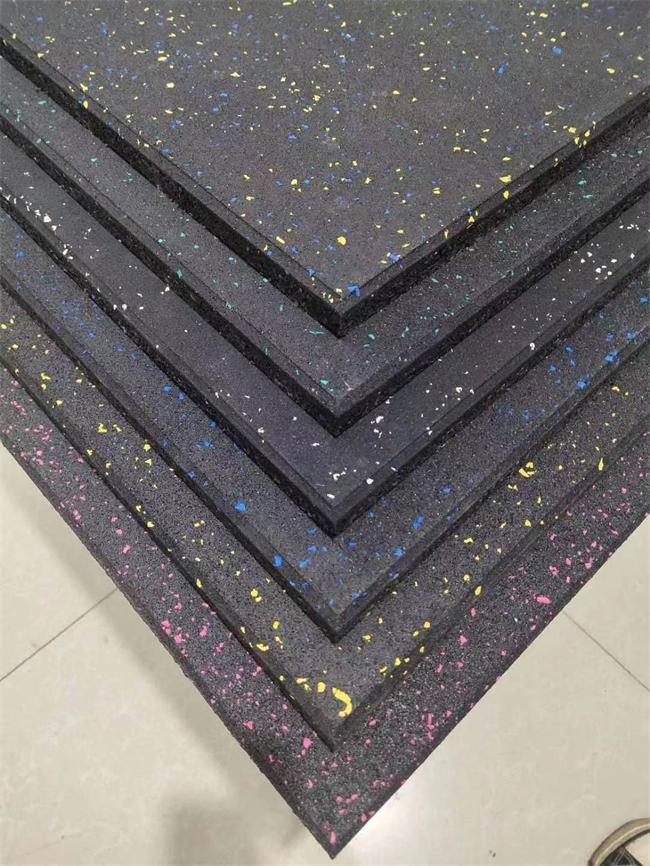

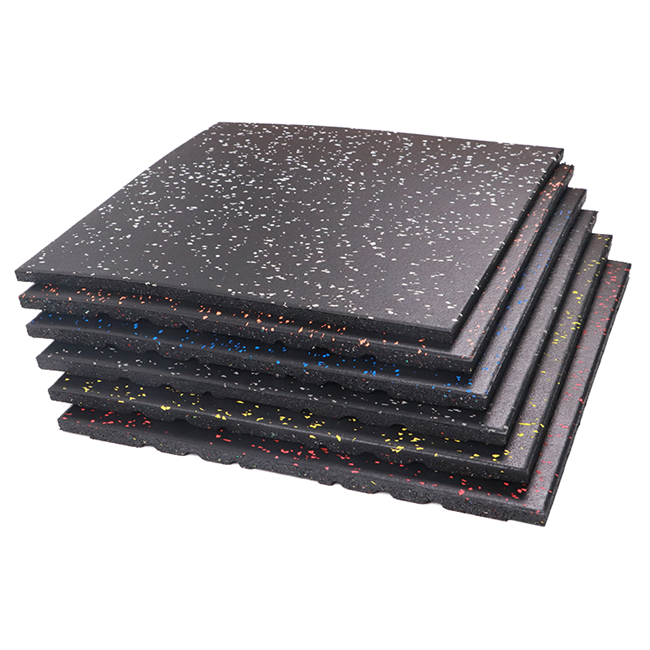

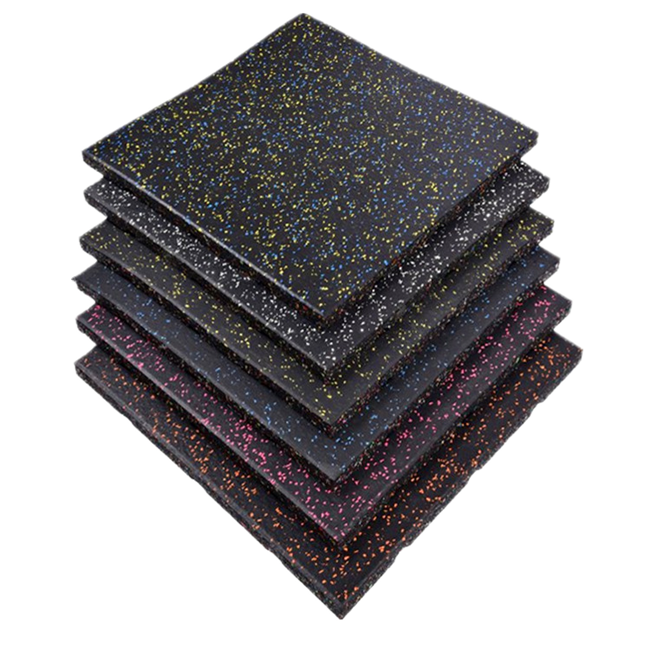

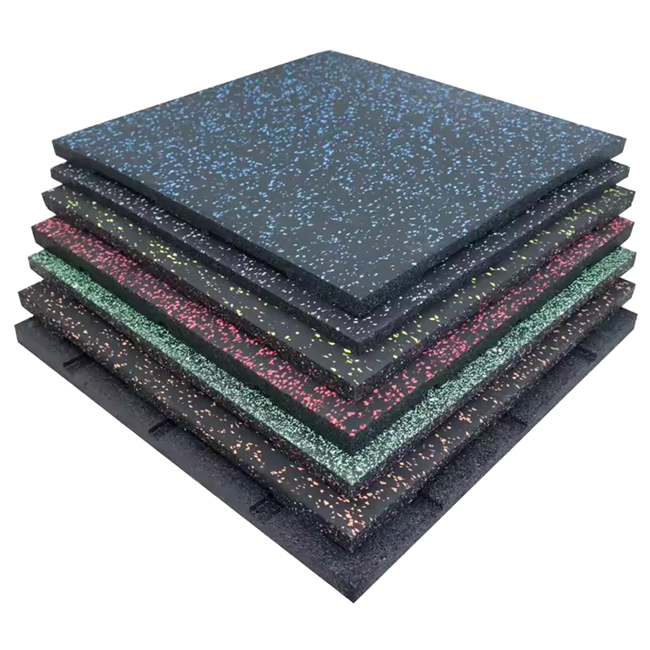

EPDM rubber flooring has become a benchmark material for applications demanding durability, safety, and long-term performance. Unlike standard rubber mats that may degrade under UV exposure or heavy use, EPDM (ethylene propylene diene monomer) flooring offers distinct advantages for both indoor and outdoor environments.
What Is EPDM Rubber Mat and How Does It Differ from Standard Rubber Mat?
EPDM rubber is a synthetic elastomer valued for its resistance to weathering, ozone, UV radiation, and extreme temperatures. When manufactured as flooring mats, EPDM compounds are typically combined with SBR (styrene-butadiene rubber) as a base layer to provide structural integrity while the EPDM surface layer delivers color stability and wear resistance.
The key distinction between EPDM floor mats and ordinary rubber mats comes down to material composition and performance characteristics. Standard rubber mats—often made from recycled tire rubber (SBR)—are more affordable but lack the UV-resistant properties that prevent fading and surface degradation. EPDM mats contain color pigments integrated throughout the material, meaning the color remains consistent even as the surface experiences wear. This "through-color" construction is particularly important for outdoor applications and high-traffic commercial installations where appearance matters.
In practical terms, EPDM mats deliver longer service life in outdoor conditions, maintain color integrity, and resist the shrinkage and gap formation commonly seen in standard rubber mats exposed to sunlight. While the initial material cost is higher, the extended lifespan and reduced maintenance requirements often result in better long-term value.
Material Structure, Surface Characteristics, and Standard Specifications
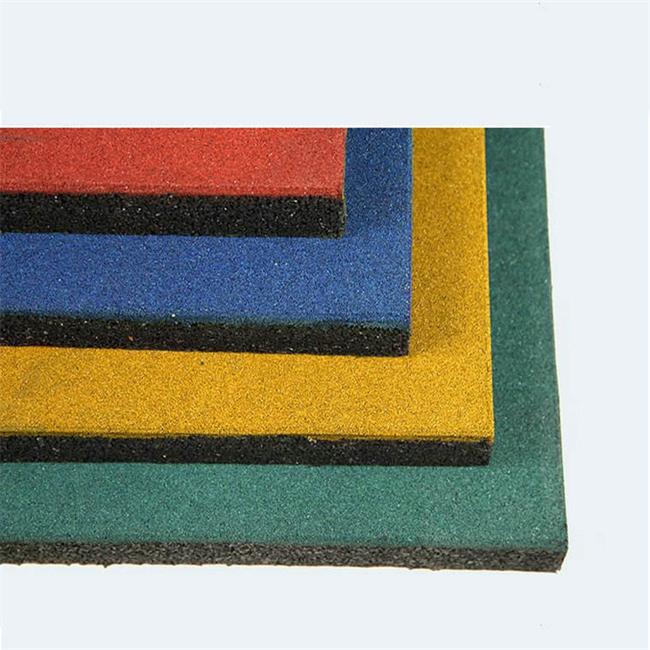
EPDM rubber mats are manufactured with a two-layer construction in most professional-grade products. The top layer consists of EPDM granules that provide the color finish, UV protection, and slip-resistant surface. The bottom layer typically uses SBR rubber for shock absorption and dimensional stability.
The surface characteristics that define EPDM flooring include anti-slip properties that maintain grip in both dry and wet conditions, with many products achieving a coefficient of friction that meets slip-resistance standards for commercial applications. The material also provides shock absorption that reduces impact forces, protecting both equipment and users. Additionally, EPDM remains stable across temperature ranges, with many products rated for use from -40°C to 100°C.
For standard configurations, thickness options commonly range from 10mm to 50mm, with some specialized configurations reaching higher dimensions. Tile sizes are typically available in 500×500mm or 1000×1000mm formats, though custom dimensions can be produced. Surface patterns range from smooth and textured to ribbed and speckled designs. Standard colors include black, red, green, blue, grey, and yellow, with custom color matching available for specific projects.
Primary Applications and End-Use Environments
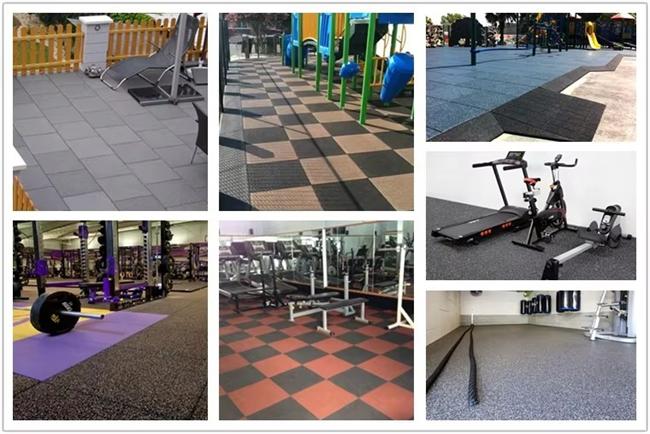
EPDM rubber mats serve a wide spectrum of applications, each with specific requirements for thickness, surface texture, and installation method.
Playgrounds and Outdoor Play Areas – EPDM flooring is widely specified for children’s playgrounds due to its impact-absorbing properties and colorfastness. The material can withstand constant UV exposure without significant fading, and the non-slip surface reduces fall-related injury risks. For playground applications, the thickness of the mat system is a critical factor in determining impact attenuation performance.
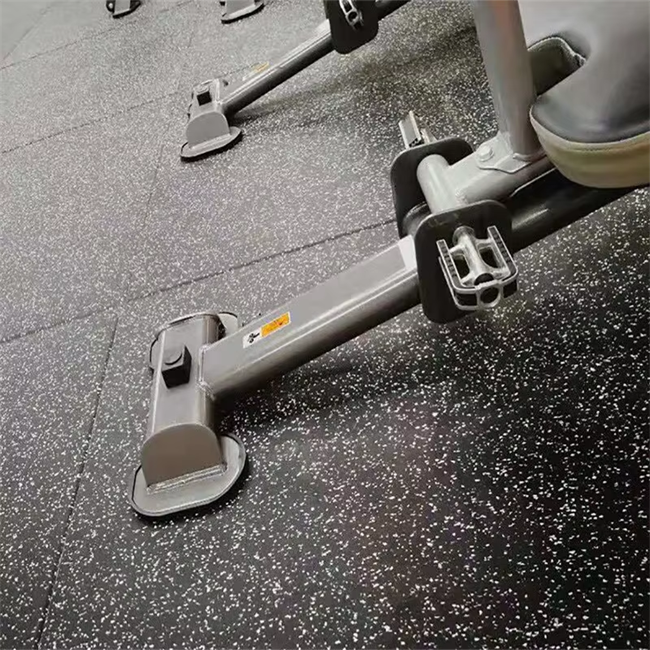
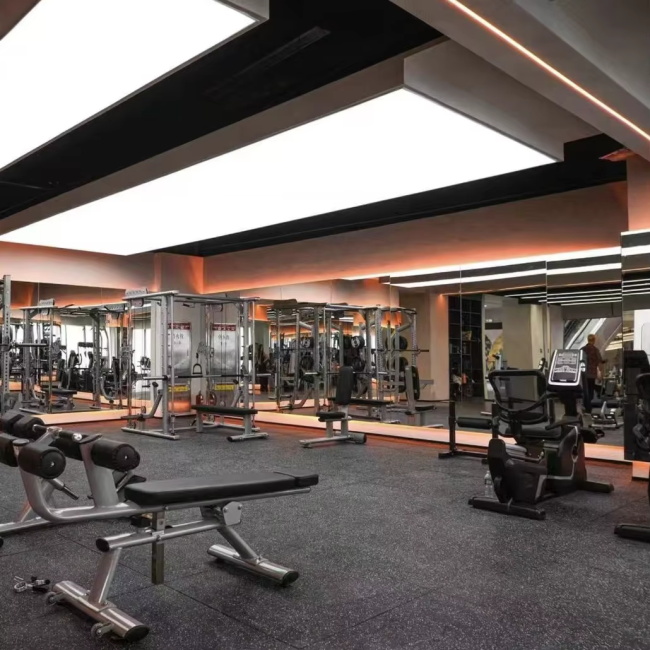
Gyms and Fitness Facilities – In commercial and home gym settings, EPDM flooring protects subfloors from heavy equipment and provides a stable surface for weightlifting. The material absorbs impact from dropped weights, reduces noise transmission, and offers a secure footing during exercise. EPDM–SBR blends are frequently specified for gym flooring, balancing surface durability with cost-effectiveness.
Sports Facilities – Indoor and outdoor sports surfaces—including multi-use courts, track areas, and training zones—benefit from EPDM’s resilience and slip resistance. The material can be installed as individual tiles or as seamless surfacing systems.
Industrial and Commercial Spaces – EPDM mats are also used in workshops, warehouses, and manufacturing areas where oil resistance, chemical resistance, and anti-fatigue properties are beneficial. The heat-resistant formulation available in some EPDM compounds makes them suitable for industrial environments.
Outdoor Areas – For rooftop terraces, garden pathways, and balcony surfaces, EPDM flooring provides a durable, weather-resistant finish that maintains its appearance over time.
How Thickness and Material Composition Affect Selection
The appropriate thickness of an EPDM floor mat depends primarily on the intended use and impact levels expected in the installation area. Selection should be based on load requirements, fall height considerations for playgrounds, and equipment types in gym environments.
For light-use applications such as cardio zones, yoga areas, stretching zones, and bodyweight exercise spaces, thicknesses in the 10–15mm range are generally adequate. These settings do not experience heavy impact loads or concentrated weight from equipment, so a thinner mat provides sufficient cushioning and protection.
For moderate-use environments including home gyms with dumbbells, general strength training areas, and functional fitness zones, 15–20mm thickness is typically recommended. This range offers improved shock absorption while remaining cost-effective for residential and light commercial installations.
Heavy-use applications such as commercial gyms, free-weight zones, and moderate barbell work benefit from 20–30mm thickness. These environments experience regular equipment drops and concentrated loads that require additional material density and impact resistance.
For high-impact zones including Olympic lifting areas, heavy deadlift platforms, and high-traffic commercial facilities, thicknesses of 30mm and above are often necessary. These applications demand maximum shock absorption and structural integrity to protect both the subfloor and users.
Thickness alone does not determine performance—material density, formulation, and the quality of the EPDM compound also significantly affect shock absorption and longevity. For applications requiring significant impact attenuation, thicker mats with appropriate density ratings are essential.
Surface texture affects both aesthetics and function. Smooth or slightly textured surfaces are suitable for general gym use, while more pronounced textures or ribbed patterns enhance slip resistance and drainage in outdoor areas. The ability to specify custom colors allows design professionals to match flooring to brand identities or environmental aesthetics.
Practical Benefits for Projects and End Users
EPDM rubber mats address several practical challenges faced by facility owners, contractors, and end users.
Safety Enhancement – The anti-slip surface reduces fall risks in wet or sweaty conditions. For playgrounds and sports facilities, the shock-absorbing properties help mitigate injury risks from falls and impacts.
Long-Term Durability – EPDM’s resistance to UV degradation and weathering means outdoor installations maintain structural integrity and appearance for extended periods. Industry sources indicate EPDM flooring in protected environments may have an expected service life of 20–25 years. This durability translates to reduced replacement frequency and lower lifecycle costs.
Low Maintenance Requirements – EPDM mats resist staining and are easy to clean. Regular sweeping and occasional mopping are typically sufficient to maintain appearance and functionality. Unlike painted surfaces, through-colored EPDM does not require recoating or refinishing.
Noise Reduction – The material’s density and elasticity provide sound dampening benefits, reducing impact noise from dropped weights, foot traffic, and equipment use.
Appearance Retention – Because EPDM color pigments are integrated throughout the material rather than applied as a surface coating, the color remains consistent even as the surface undergoes wear. This characteristic is particularly valuable for high-traffic areas where standard painted rubber surfaces may show discoloration or coating loss.
Environmental and Operational Considerations
For procurement professionals and engineers, several practical factors should guide EPDM flooring selection.
Packaging and Transport – EPDM mats are typically shipped on pallets, with packaging designed to protect the product from damage during transit. Rolled products may be available for larger installations. Weight considerations are significant—20–30mm EPDM tiles can weigh 25kg or more per square meter.
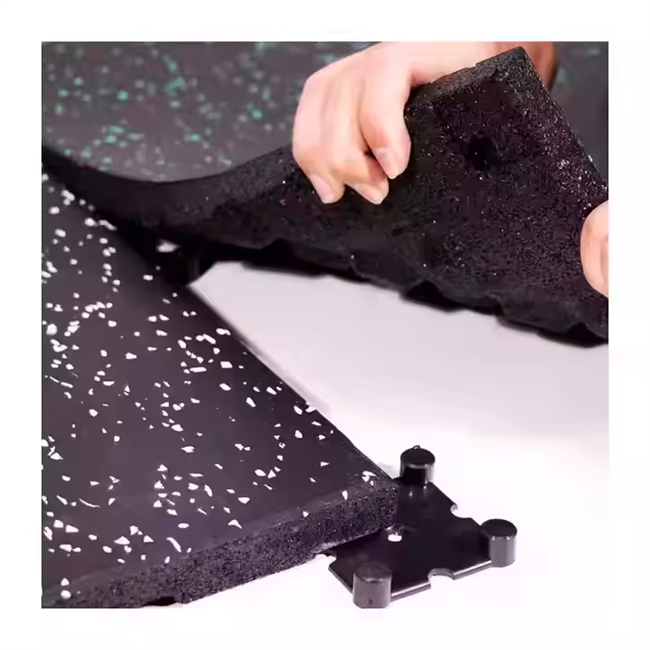
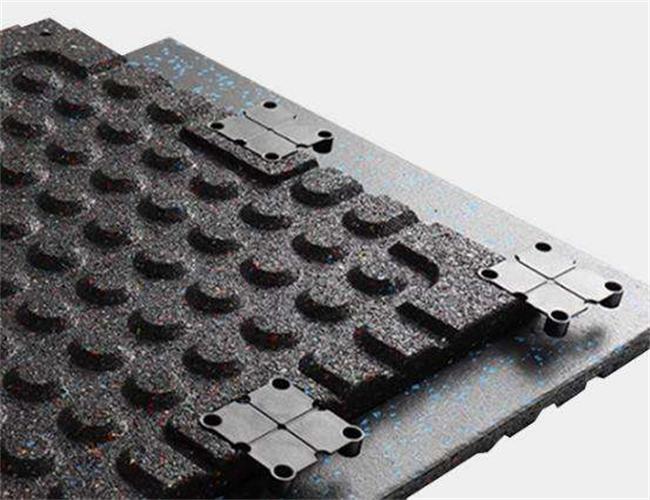
Installation Methods – EPDM flooring is available in various formats, each with different installation requirements. Individual tiles are laid directly on prepared subfloors, with some featuring interlocking systems that require no adhesive. Rolls are cut to size and installed with adhesive over larger areas. Interlocking systems with puzzle-style connections allow tool-free assembly and reconfiguration.
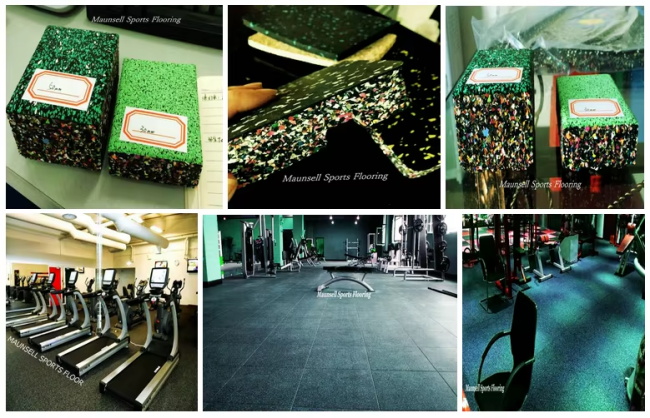
Sampling and Verification – Reputable suppliers offer samples for material evaluation. Given the variation in EPDM quality between manufacturers, physical sample testing is recommended for projects with specific performance requirements.
Environmental Considerations – Many EPDM flooring products contain recycled content and can be recycled at end of life. The material’s insulating properties may contribute to energy efficiency in buildings.
When to Specify EPDM vs. Alternative Materials
EPDM flooring is not universally the optimal choice for every application. Understanding its strengths and limitations helps in appropriate specification.
EPDM is well suited for outdoor applications where UV exposure and weather variation are factors, color-critical projects where long-term appearance retention is required, playgrounds where impact attenuation and safety surfacing are paramount, and premium commercial facilities where aesthetics and performance justify higher material costs.
EPDM may not be ideal for budget-constrained projects where SBR rubber flooring provides adequate performance at lower cost, temporary installations where shorter lifespan is acceptable, applications not requiring color stability such as industrial back-of-house areas, and installations where odor sensitivity is a concern, though SBR blends with odor dissipation characteristics are available.
Comparison with SBR and Other Rubber Types
When comparing EPDM with SBR rubber, SBR offers cost-effectiveness and good impact resistance but has significant limitations including UV fading, less weather resistance, and potential shrinkage outdoors. EPDM provides UV stability, colorfastness, and weather resistance at a higher initial cost. Natural rubber offers excellent elasticity but has lower temperature resistance and higher cost. Nitrile rubber provides oil and chemical resistance but has higher density and less color stability.
Frequently Asked Questions
What is the difference between EPDM and SBR rubber flooring?
SBR (styrene-butadiene rubber) is typically made from recycled rubber materials and offers good impact resistance at a lower cost. However, SBR is not UV-stable and will fade or degrade when exposed to sunlight. EPDM contains UV-resistant properties, maintains color integrity, and performs better in outdoor applications. Many gym floors use a combination of both materials—SBR for the shock-absorbing base and EPDM for the surface layer.
What thickness of EPDM mat do I need for a home gym?
For a typical home gym with dumbbells, kettlebells, or moderate weightlifting, 15–20mm thickness is generally sufficient. For heavy deadlifting or Olympic lifting, 30mm or greater is recommended. Light-use spaces such as cardio equipment, yoga, and stretching areas may only require 10mm.
Can EPDM mats be used outdoors?
Yes. EPDM is specifically formulated for outdoor use and is resistant to UV degradation, ozone, and temperature extremes. Unlike standard rubber mats, EPDM does not significantly fade or shrink when exposed to sunlight. Lifespan for outdoor EPDM installations can extend to 20 years with appropriate maintenance.
Are EPDM mats slip-resistant when wet?
Yes. EPDM mats have textured surfaces that maintain grip in both wet and dry conditions. The coefficient of friction for these products typically exceeds industry standards for slip resistance. This makes them suitable for applications near pools, in wet climates, or in gym environments where sweat accumulation occurs.
How do I clean and maintain EPDM flooring?
Regular sweeping or vacuuming removes surface debris. Damp mopping with mild soap and water is generally sufficient for deeper cleaning. EPDM is resistant to staining and does not require waxing, sealing, or other protective coatings.
Can EPDM mats be customized for color, size, and thickness?
Yes. Many suppliers offer custom options for color matching, specific dimensions, and thickness requirements. Surface textures and patterns can also be customized for specialized applications.
What is the typical lead time for custom EPDM flooring orders?
Lead times vary by manufacturer, order volume, and customization requirements. Standard products are often available from stock, while custom colors, sizes, or thicknesses may require additional production time. It is advisable to confirm lead times with the supplier during the quotation process.
Are EPDM mats suitable for underfloor heating systems?
Many EPDM flooring products are compatible with underfloor heating systems, but compatibility depends on the specific product formulation and installation method. Heat resistance ratings should be verified with the supplier.
Selecting the Right EPDM Flooring for Your Project
Choosing the appropriate EPDM mat requires balancing performance requirements with budget considerations. The process should consider the specific demands of the installation environment, load requirements, desired appearance, and long-term durability expectations.
Start by defining the primary use case and determining impact levels, traffic, and exposure conditions. Select thickness according to the activity demands of the space. Consider surface needs to determine whether slip resistance, drainage, or a specific texture is required. Evaluate custom requirements including color, size, and branding needs early in the specification process. Finally, request samples for physical evaluation of material quality before finalizing specifications.
The 20-1000mm thick anti slip EPDM floor mat offers a versatile solution for facilities requiring durable, safe, and visually consistent flooring across demanding applications. Proper material selection, based on the specific needs of each project, ensures performance and longevity.
Ready to find the right EPDM flooring for your next project? Tell us about your application, floor area, and performance requirements, and we will help match you with the most suitable product configuration. Request material samples to evaluate quality and color match for your specific installation. For custom thickness, color matching, or specialized surface textures, our team can provide detailed specifications and production lead times. Share your project dimensions and load requirements to receive product recommendations tailored to your needs. Contact us today to discuss your EPDM flooring requirements and get a solution that fits your project.


