 注: 建议图片大小150px*50px
丨
注: 建议图片大小150px*50px 
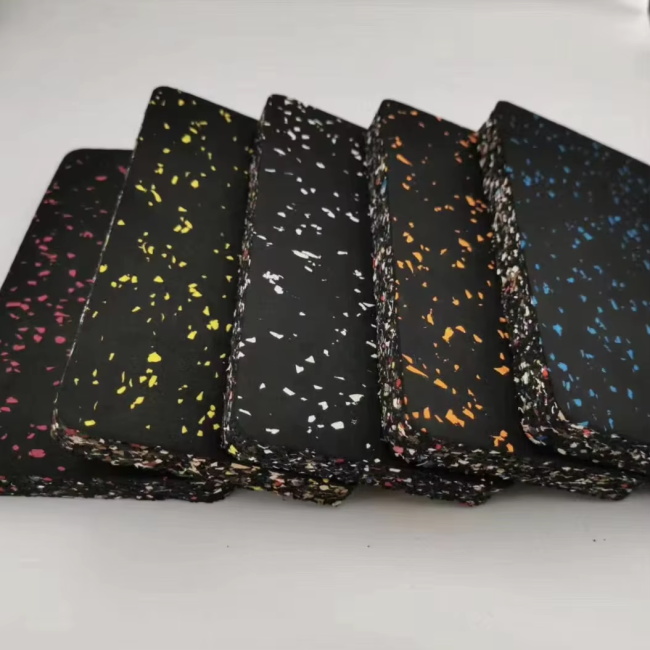

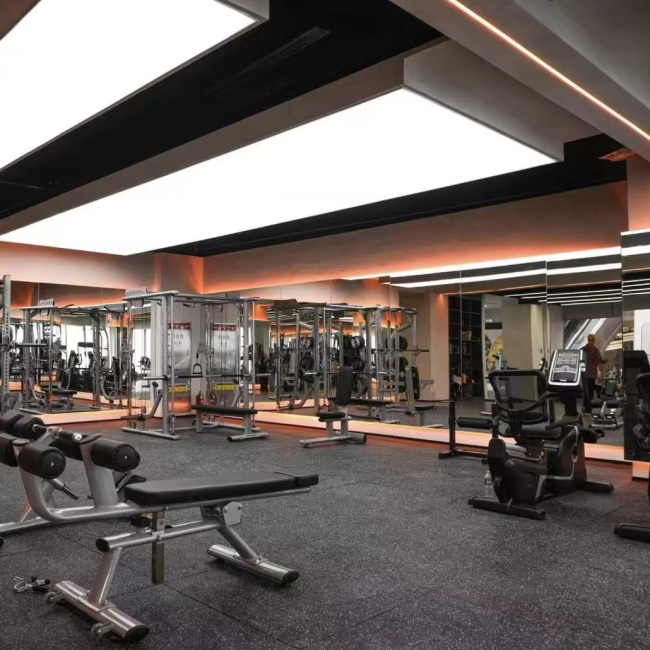



When a flooring project demands safety, durability, and long-term performance—especially outdoors—EPDM rubber mats are often the material of choice. But what makes an EPDM Safety Flooring Mat different from standard rubber matting? How do you select the right thickness, surface pattern, and construction for your specific application?
What Is EPDM Safety Flooring Mat?
EPDM Mat is a flooring product manufactured from a synthetic rubber compound known for its exceptional resistance to weathering, UV radiation, and ozone. Unlike general-purpose rubber mats made from SBR (Styrene-Butadiene Rubber) or recycled tire rubber, EPDM is an engineered material designed to maintain its physical properties and appearance under harsh environmental conditions.
EPDM vs. Standard Rubber Mats: The Core Differences
Many rubber mats on the market use SBR, a cost-effective material often derived from recycled sources. While SBR performs adequately indoors, it degrades when exposed to sunlight and moisture over time—typically showing surface cracking, hardening, and color fading within a few years.
EPDM differs fundamentally. Its polymer backbone contains no double bonds, making it inherently resistant to UV degradation and ozone attack—a stability that standard SBR lacks. The color in quality EPDM mats is integrated into the material itself, not merely surface-painted, which means the color remains bright even with surface wear. Additionally, EPDM maintains flexibility and performance across a wide temperature spectrum, from approximately -40°C to +120°C, and typically has significantly lower odor than recycled SBR products.
This is not to say SBR has no place—it remains an excellent, cost-effective solution for indoor applications like gym flooring. But for any project involving direct sunlight, moisture, or temperature extremes, EPDM is the specification-grade choice.
Material Structure, Surface Characteristics, and Common Specifications
Understanding the physical structure of an EPDM Rubber Mat is essential for proper selection.
Construction: Homogeneous vs. Composite
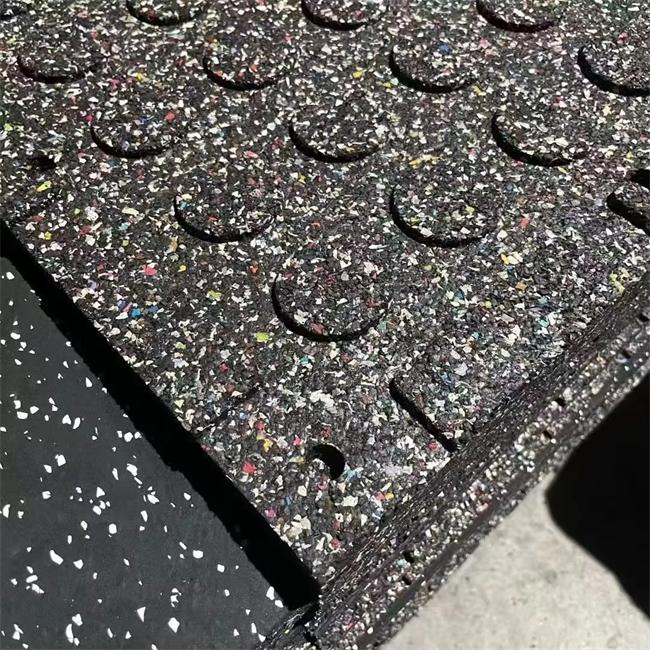
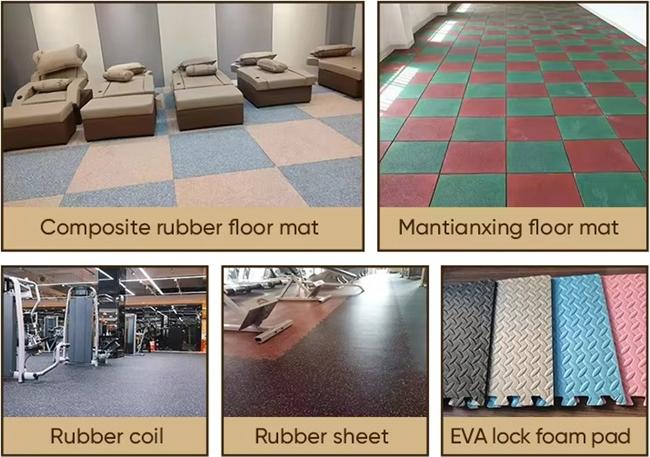
EPDM mats are available in two primary constructions. The first is homogeneous EPDM, where the entire mat is composed of EPDM material. This offers the highest durability and color consistency throughout the thickness. The second is composite EPDM, where a top layer of high-quality, colored EPDM granules is fused to a shock-absorbing base layer, often made of SBR or recycled rubber. This construction balances performance with cost: the EPDM top provides the wear surface and UV stability, while the base offers impact absorption at a lower price point.
Surface Patterns and Textures
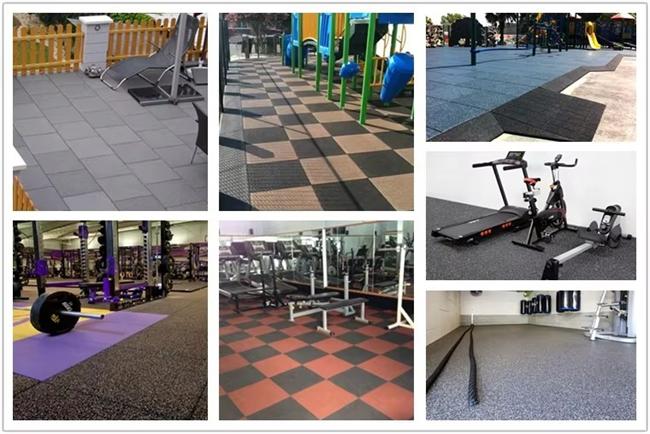
The surface of an EPDM Safety Flooring Mat is designed with specific functionalities in mind. A studded or cleated surface provides excellent slip resistance, even in wet conditions, making it common for playgrounds and outdoor walkways. A ribbed or diamond pattern offers good traction and is often used in gyms and fitness areas. A smooth surface with EPDM flecks prioritizes aesthetics and color stability, often seen in commercial or recreational areas. Additionally, ramped or beveled edges reduce trip hazards and allow for smooth transition from other flooring types.
Typical Sizes and Formats
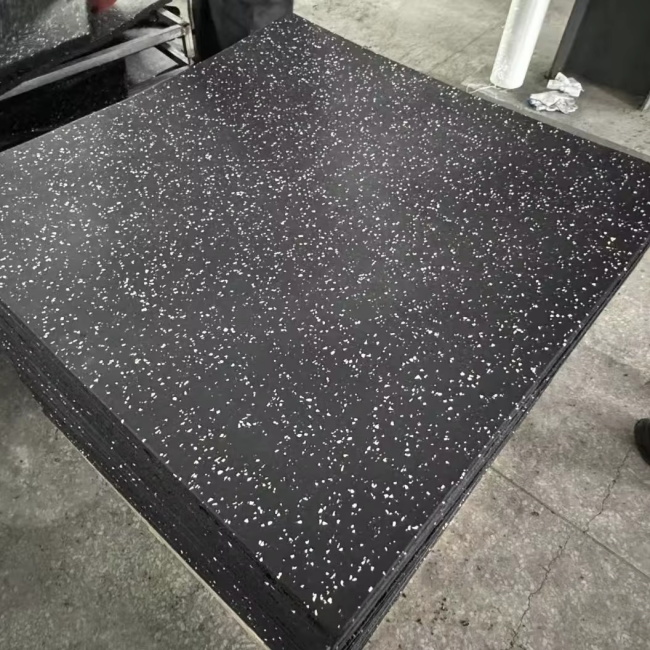
EPDM mats are available in a variety of formats to suit different installations. Interlocking tiles are common in sizes such as 500mm x 500mm and 1m x 1m; they are modular, easy to install without adhesives, and allow for individual tile replacement. Standard sheets are often found in 1m x 1m or similar square formats. Rolls are available in various widths and lengths for large, seamless installations. Thickness is a critical variable, typically ranging from 10mm to 50mm or more for specialized safety applications.
Primary Applications and Use Cases
The unique properties of EPDM Flooring Mat make it suitable for a broad range of demanding environments.
Playgrounds and Childcare Facilities
This is perhaps the most critical application for EPDM Playground Mats. The primary function is fall protection. The mat's shock-absorbing properties cushion impacts, reducing the risk of injury. The UV stability ensures colors remain vibrant and the surface does not become brittle. EPDM surfaces are also seamless (in wet-pour form) or have tight seams, eliminating gaps that can harbor debris or cause tripping.
Gyms and Fitness Areas
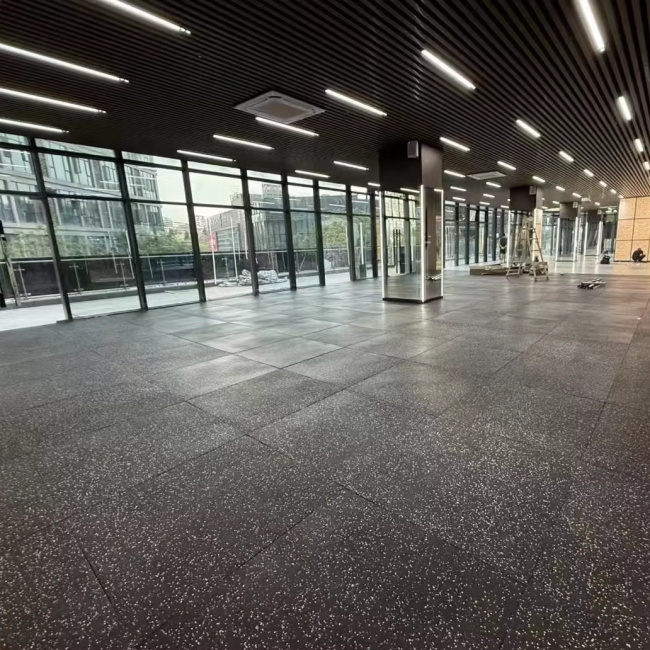
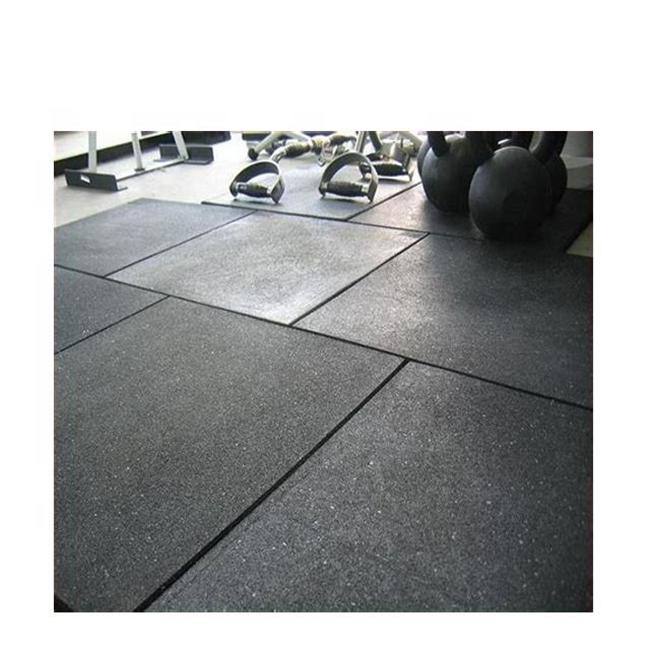
While indoor gyms often use SBR for cost reasons, EPDM Gym Mats are the preferred choice for outdoor fitness areas, multi-use sports facilities, and high-end indoor studios requiring color customization. They provide impact absorption to protect joints and reduce fatigue during high-impact activities, slip resistance as a critical safety feature in sweaty or wet environments, and durability to withstand heavy foot traffic and dropped weights.
Outdoor Areas and Terraces
For any outdoor application—rooftop terraces, garden pathways, pool surrounds, or commercial entrances—EPDM is virtually mandatory. Standard rubber mats will degrade rapidly, but an EPDM Outdoor Mat will resist rain, UV, and freeze-thaw cycles for decades. Mats with drainage holes are often specified for areas prone to standing water.
Sports Facilities
Beyond gyms, EPDM is used for running tracks, multi-purpose sports courts, and areas surrounding athletic equipment. Its shock absorption and slip resistance contribute to athlete safety and performance.
Problems EPDM Mats Solve
For facility managers, engineers, and project owners, EPDM Safety Flooring Mat addresses several key concerns. First and foremost is ground safety: the primary function is to create a safe, slip-resistant surface that minimizes the risk of falls and injuries from impacts. In terms of long-term durability, the material resists cracking, hardening, and fading, which means fewer replacements and lower lifecycle costs—EPDM matting typically lasts 20–25 years with proper care. Maintenance is simple, as EPDM surfaces are easy to clean and do not require sealing, painting, or special coatings; dirt and debris can be swept, hosed, or vacuumed away. Aesthetic longevity ensures that color remains stable, preventing the "tired" look that plagues painted or standard rubber surfaces—this is crucial for brand identity or design-focused projects. Finally, all-weather performance means EPDM does not become slippery when wet and remains flexible in cold temperatures, ensuring year-round usability.
How to Select the Right EPDM Mat
Selecting the correct EPDM Mat requires careful analysis of the project parameters.
Thickness: The Critical Specification
Thickness is not a matter of preference; it is a performance specification. For light-duty applications such as entrance mats, light commercial areas, or underlayment, 6–10 mm is typically sufficient. General purpose applications like gym cardio areas, anti-fatigue use, and general outdoor walkways usually call for 10–15 mm. Heavy-duty areas with dropped weights, heavy equipment, or higher impact absorption needs require 15–25 mm or more. For playground safety, thickness is engineered based on the Critical Fall Height (CFH) of the play equipment—typically 30–80 mm or more—and must be verified to standards like ASTM F1292 or EN 1177.
Size and Format
Interlocking tiles are best for easy installation, areas requiring future access to subfloor, and phased projects; common sizes are 500x500mm and 1m x 1m. Sheets are suitable for smaller areas or where interlocking edges are not needed. Rolls are ideal for covering large, open areas with minimal seams.
Surface Design and Color
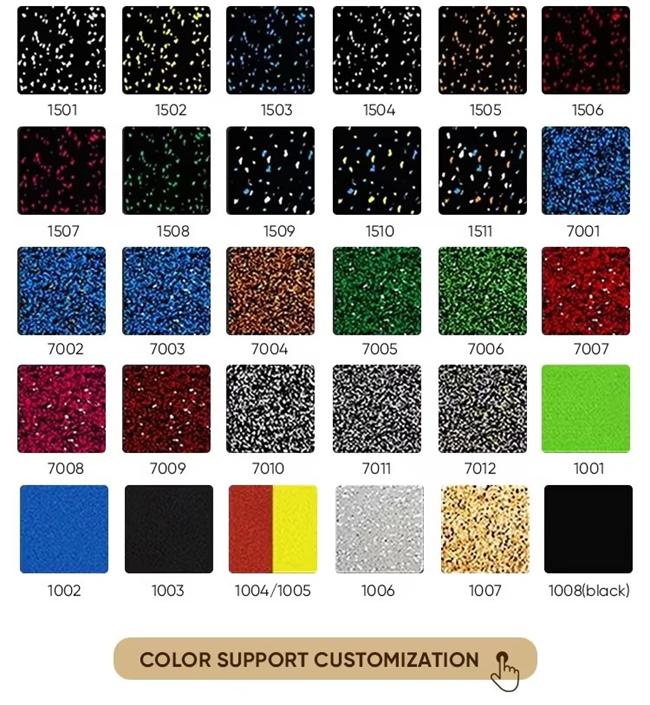
From a functional standpoint, choose studded or ribbed textures for maximum slip resistance in wet environments. For aesthetic purposes, a smooth surface with colored EPDM flecks offers a clean, modern appearance and can be customized to match corporate or facility branding.
Substrate Preparation
All rubber mats require a stable, level, and clean sub-base. Asphalt or concrete are the most common and suitable foundations. The condition of the sub-base will affect the long-term performance of the mat.
Customization Options
Manufacturers typically offer significant customization for EPDM Rubber Mats. You can specify custom dimensions for interlocking tiles or rolls, custom thickness from a few millimeters to over 50mm, a wide array of Pantone-matched or custom colors, and custom surface designs including specific textures or embedded logos. The construction type and thickness of the base layer can also be adjusted to meet specific performance requirements.
EPDM Compared to Other Flooring Solutions
It is helpful to position EPDM against alternatives to understand its value proposition.
Compared to SBR rubber, EPDM is the superior choice for any outdoor application. SBR is best suited for indoor gyms, stables, and general industrial use, but its poor UV resistance means it fades and cracks outdoors, whereas EPDM is engineered for long-term outdoor performance and color stability.
Compared to wet-pour EPDM, which offers seamless playground surfaces and custom shapes but requires skilled installation and makes repairs more difficult, EPDM tiles offer easier repair and phased installation.
Compared to PVC or vinyl, which are low-cost indoor and temporary-use materials but not as durable and can become brittle, EPDM offers superior durability, slip resistance, and impact absorption.
Compared to loose-fill rubber used in playgrounds, which has a low initial cost but is maintenance-heavy, loses performance over time, and can scatter, EPDM mats or tiles are stable, low-maintenance, and provide consistent performance.
Practical Considerations for Procurement and Installation
For procurement specialists and project managers, several operational details are crucial. Packaging typically involves mats packed on pallets and wrapped in plastic film for protection during shipping. Given the weight of rubber, optimizing pallet configuration is important for freight cost management. Samples should always be requested to verify color, texture, and quality—most suppliers offer samples for this purpose. Lead times can vary significantly depending on customization and order size; for custom colors or sizes, expect longer lead times, though many standard items can be dispatched within 7–15 days. Finally, confirm the mat's specifications against the specific environmental exposure—temperature range, chemical exposure, salt air, etc.—of the installation site.
Frequently Asked Questions (FAQ)
What does "EPDM" stand for?
Ethylene Propylene Diene Monomer. It is a type of synthetic rubber known for its exceptional resistance to UV, ozone, and weathering.
How long will an EPDM safety flooring mat last outdoors?
EPDM rubber is highly durable and typically lasts 20–25 years in outdoor applications, far outlasting standard SBR rubber.
Is EPDM mat slip-resistant when wet?
Yes. When specified with a studded or textured surface, EPDM mats provide excellent wet grip, maintaining traction even in rainy conditions.
Can EPDM mats be used indoors and outdoors?
Yes. While EPDM is the preferred choice for outdoor applications due to its UV stability, it performs very well indoors as well. It is often used in gyms and sports facilities for its impact absorption and aesthetic options.
Does the color fade in EPDM mats?
High-quality EPDM mats have UV-stable color integrated into the material itself. They are far more colorfast than painted surfaces or recycled SBR mats, and they resist fading significantly longer.
What thickness do I need for a playground?
This depends on the critical fall height (CFH) of your play equipment. Thickness must be engineered and tested to meet safety standards (e.g., ASTM F1292, EN 1177). For heavy-use gym areas, 15–25mm is common, while light-duty areas may only need 8–10mm.
Are there different surface textures?
Yes. Common textures include studded or cleated for maximum slip resistance, ribbed or diamond patterns for general traction, and smooth or flecked surfaces for aesthetics.
Can I get custom colors or sizes?
Yes. Most manufacturers offer OEM/ODM services for custom colors, sizes, thicknesses, and surface patterns.
Finding the Right EPDM Mat for Your Project
Choosing the correct EPDM Safety Flooring Mat is a critical decision that balances safety, durability, aesthetics, and budget. Understanding the material's properties, how it differs from standard rubber, and the key selection parameters—thickness, size, and surface texture—will ensure your project's success.
Now that you have the technical details, the next step is to align them with your specific project requirements.
Need assistance selecting the optimal EPDM Mat for your application? Share your project details—including the intended use, required dimensions, thickness, and preferred colors—with our team. We can provide technical specifications, material samples, and a tailored product recommendation. Request your product sample and customized specification sheet today.


