 注: 建议图片大小150px*50px

丨
注: 建议图片大小150px*50px 


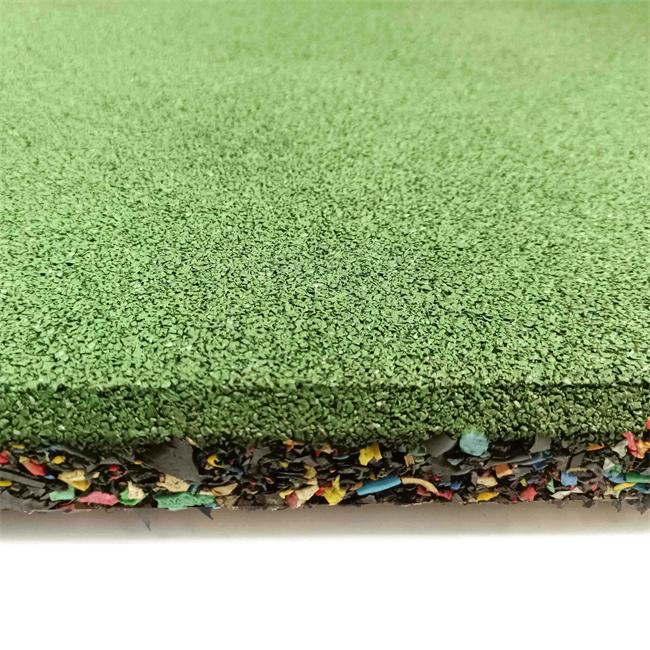

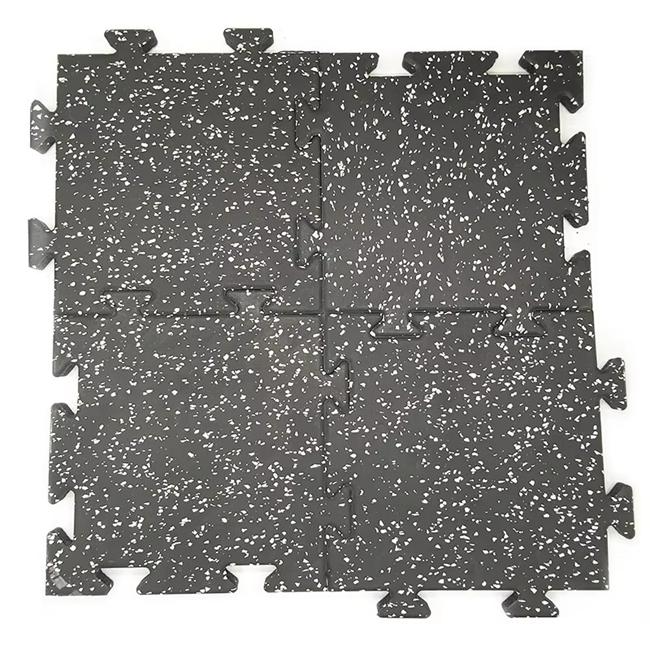

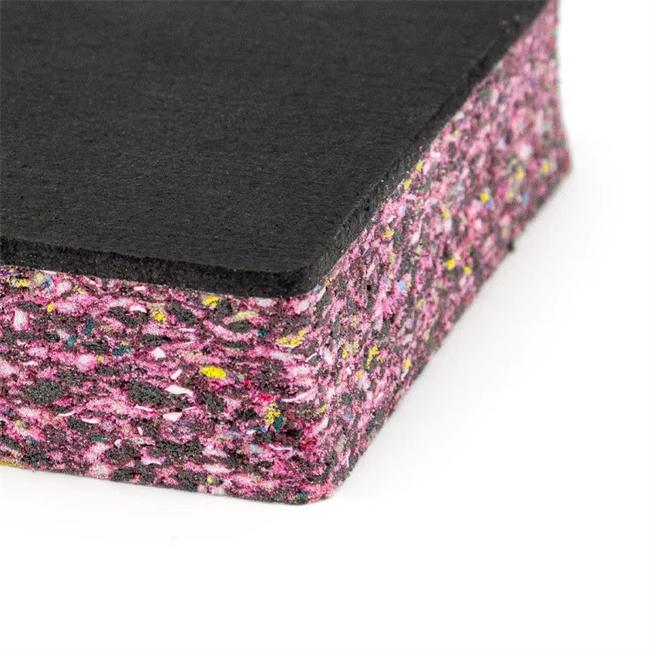

When specifying flooring for heavy-use athletic environments, the material choice directly impacts safety, equipment lifespan, and long-term maintenance costs. The Gym 25-50mm sport EPDM floor mat category represents a specific tier of rubber flooring engineered for the most demanding conditions.
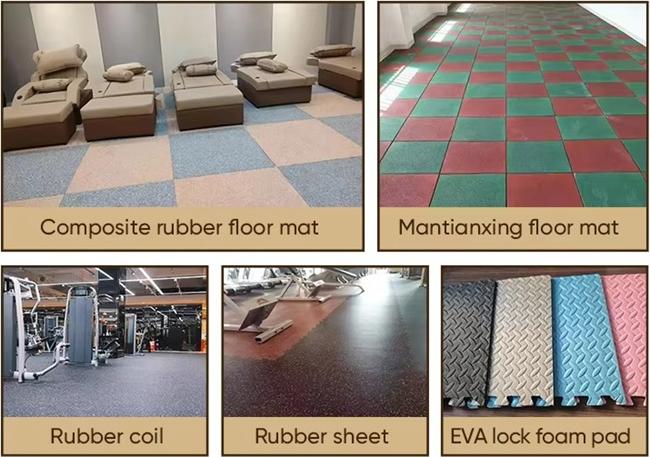
EPDM Rubber Mat vs. Standard Rubber Mat: Understanding the Difference
The distinction between EPDM (Ethylene Propylene Diene Monomer) rubber mats and standard rubber mats lies in material composition and performance characteristics. Standard rubber mats, often made from SBR (Styrene-Butadiene Rubber) derived from recycled tires, are economical and suitable for many indoor applications. However, they have limitations. SBR lacks UV stabilizers, making it prone to fading and surface degradation when exposed to sunlight. Over time, UV exposure can cause SBR mats to harden, crack, and even shrink, potentially creating gaps between tiles.
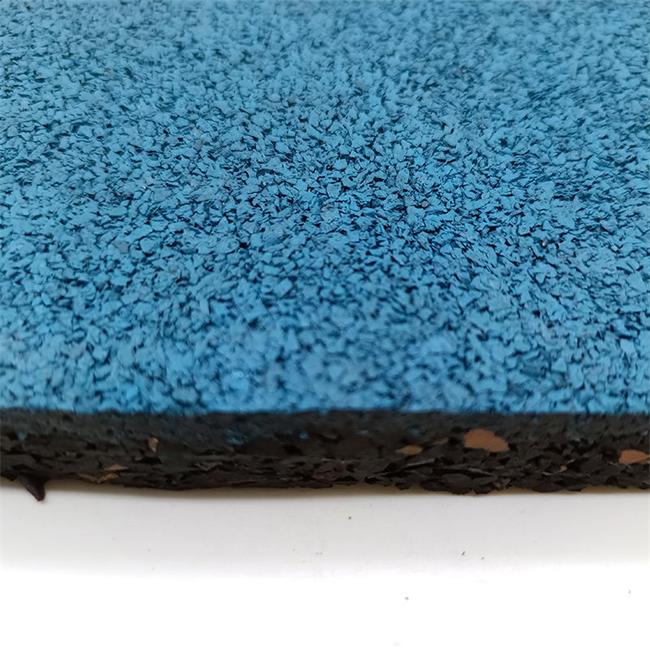
EPDM, in contrast, is a synthetic rubber compound with inherent resistance to UV radiation, ozone, and extreme temperatures. It is the preferred material for outdoor sports surfaces, playgrounds, and rooftop installations precisely because it maintains its physical properties and color stability in challenging environments. EPDM rubber mats are colorfast throughout the material, not just surface-dyed, so even with surface wear, the color remains consistent.
Structure, Materials, and Common Specifications
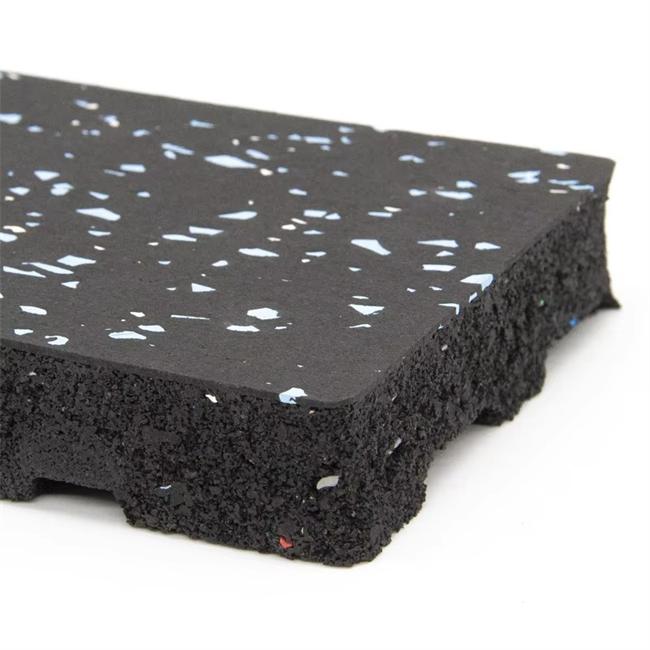
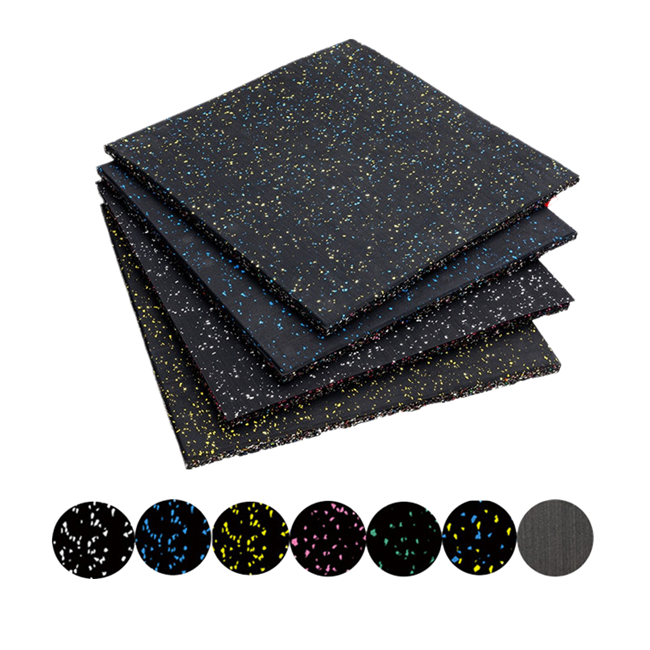
25-50mm sport EPDM floor mat typically features a layered construction. The top layer is a wear-resistant EPDM rubber compound, often with a textured or speckled surface for aesthetics and slip resistance. The base or core layers are commonly composed of compressed rubber (often from recycled sources) that provide the bulk of the impact absorption and structural support.
Within this thickness range, products are available in several forms:
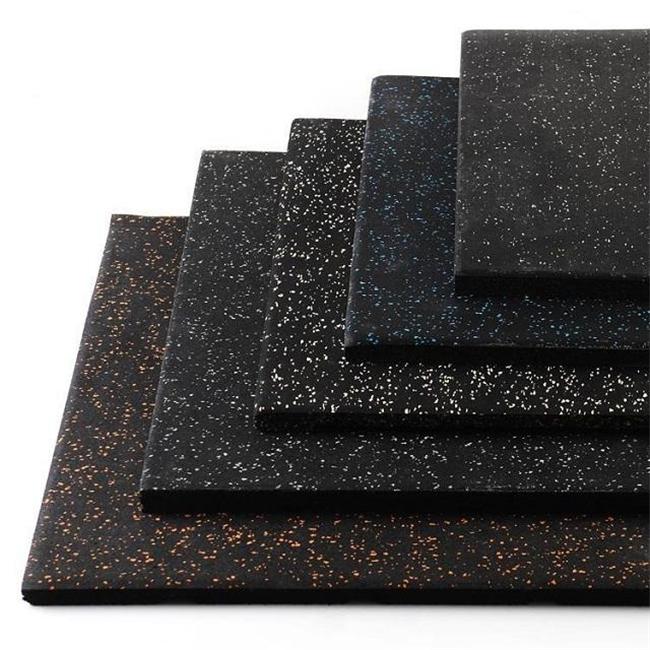
- Tiles: Commonly 500mm x 500mm or 1000mm x 1000mm, allowing for modular installation.
- Rolls: For seamless coverage over large, uninterrupted floor areas.
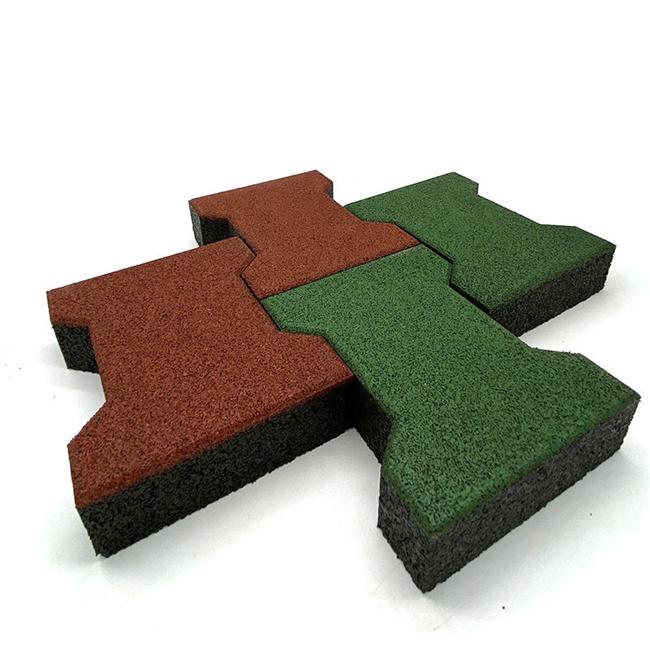
- Interlocking Tiles: With edge connectors that enable tool-free assembly and easy replacement of damaged sections.
Surface finishes vary as well, ranging from smooth fine textures to more pronounced patterns designed to enhance grip and traction underfoot, even in sweaty or humid conditions.
Primary Applications for Thick EPDM Flooring
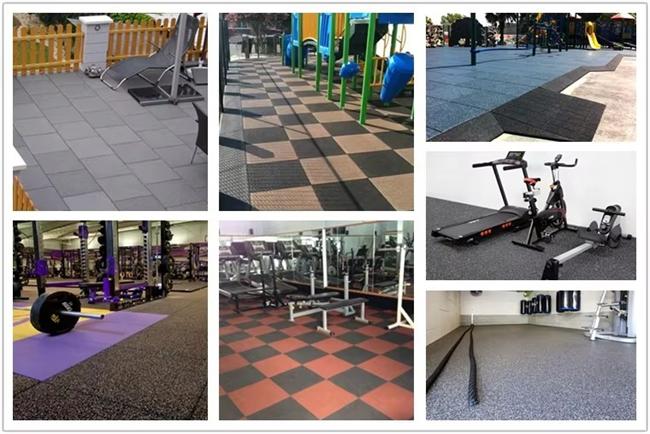
The 25-50mm thickness range is not for general-purpose flooring. This is specialized equipment for high-impact zones:
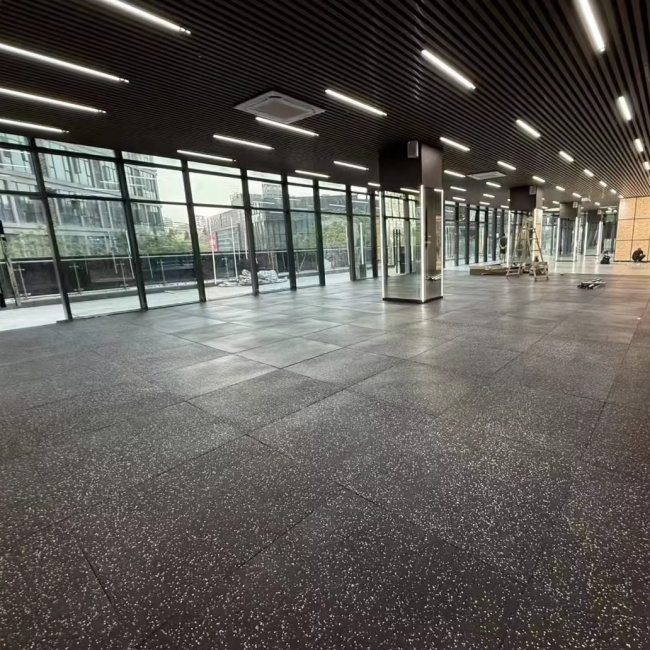
- Free-Weight Areas and Olympic Lifting Platforms: Designed to absorb the impact of dropped barbells, protecting both the subfloor and the equipment.
- Commercial Gym Drop Zones: Areas where heavy dumbbells, kettlebells, or medicine balls are routinely used.
- Outdoor Sports Facilities: Providing a durable, weather-resistant surface for outdoor fitness courses and training areas.
- Playgrounds: The thickness provides significant impact attenuation, reducing injury risk from falls.
Problems Addressed by Thick EPDM Mats
Floor Protection and Impact Absorption
The primary function is protecting expensive subfloors from the concentrated force of dropped weights. A 25-50mm mat provides substantial cushioning and force dissipation, preventing cracking or other damage to concrete or underlying structures.
Safety and Injury Prevention
EPDM gym mats provide a stable, non-slip surface. Their shock-absorbing properties reduce joint strain for users during high-intensity activities, while the slip-resistant surface minimizes fall risks.
Durability and Low Maintenance
EPDM's resistance to UV and ozone ensures that mats used in outdoor or sun-exposed indoor locations do not become brittle or fade quickly. The color is integral, so heavy foot traffic and regular cleaning do not dull the appearance. Mats are easy to maintain with standard sweeping and disinfecting routines.
Advantages and Project Value
For a project manager or procurement officer, the value proposition of a Gym 25-50mm sport EPDM floor mat is multi-faceted:
Long-Term Cost Efficiency – Though the initial investment is higher than SBR alternatives, the extended lifespan due to UV stability and reduced need for replacement due to cracking or fading offers better long-term value.
Application Versatility – Suitable for both indoor and outdoor use, simplifying procurement for mixed-use facilities.
Aesthetic Longevity – The color and appearance remain consistent over years of use, enhancing the facility's professional look over time.
Safety Contribution – The slip resistance and impact absorption contribute to a safer environment, potentially reducing liability for facility owners.
How Thickness, Size, Color, and Surface Texture Affect Your Choice
Selecting the right EPDM rubber mat requires an understanding of how specifications align with application needs:
Thickness – The 25-50mm range is reserved for the most demanding applications. 25mm is often considered the minimum for commercial weight rooms with moderate use, while 30-50mm is recommended for Olympic lifting platforms and high-traffic commercial facilities where maximum impact protection is non-negotiable.
Size – Tiles allow for modular installation and easy replacement of damaged sections, while rolls offer a seamless look and are ideal for covering large, uninterrupted floor areas.
Color – EPDM allows for a wide range of colors and speckled designs that can incorporate branding, define training zones, or simply enhance the visual appeal of a space.
Surface Structure – A smooth surface may be adequate for general areas, but a more aggressive textured surface is crucial for areas where users are likely to sweat or spill water.
Application-Specific Selection Guide
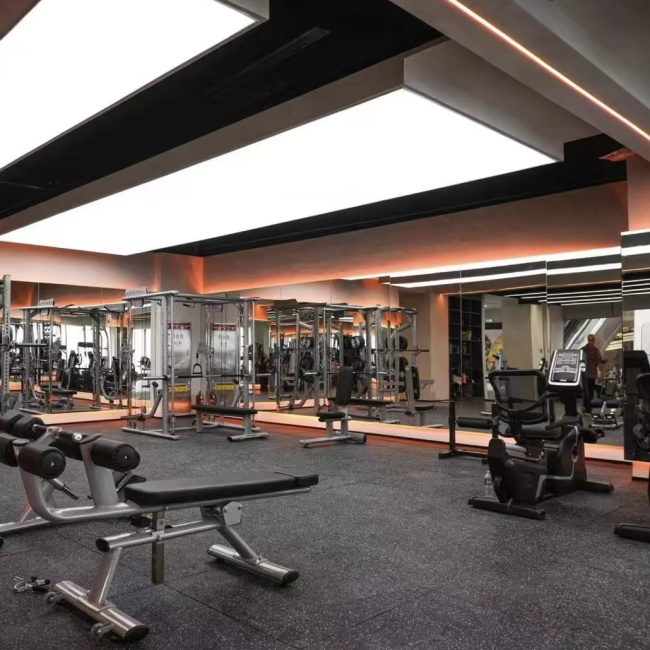
Commercial Gym (Free Weights) – Opt for interlocking 30-50mm tiles or heavy-duty rolls. Use standard black or gray for a professional and practical look.
Outdoor Fitness Area – Choose UV-stable EPDM tiles in a color that will remain vibrant despite sunlight exposure. Lighter colors may show less heat absorption in hot climates.
Multi-Use Training Facility – Consider a combination of thicknesses and sizes. Install the thickest mats in designated drop zones and slightly thinner ones in cardio or functional training areas to balance performance and budget.
Playground – Select EPDM playground mats with a thickness compliant with relevant impact standards, available in bright, engaging colors to create an inviting environment.
Customization Options
The manufacturer's customization capabilities are a key factor in the buying process. While specific limits should be confirmed directly with the supplier, typical customization options for EPDM flooring mats include:
- Color – Custom matching to brand colors or design palettes.
- Size and Thickness – Bespoke dimensions and thicknesses beyond standard offerings.
- Surface Design – Specific surface textures for grip or performance requirements.
- Edge Finishing – Ramped or straight edges for clean, professional installation.
Practical Considerations for Procurement and Logistics
Packaging and Transport – Products are typically shipped on pallets. Weight is a significant factor; a single thick mat can be heavy, impacting shipping costs and requiring appropriate handling equipment.
Samples – Reputable suppliers offer samples for physical inspection of color, texture, and quality before a bulk order is placed. This step is strongly recommended.
Lead Times – Project timelines must account for manufacturing, customization, and shipping. Discuss realistic delivery schedules with the supplier early in the process.
Environmental Conditions – Confirm that EPDM is the right choice for the specific climate. It is generally suitable for a wide range of temperatures, but extreme local conditions should be discussed with the technical team.
Comparative Analysis: EPDM vs. Other Flooring Options
Understanding the trade-offs ensures the right product is selected for the right environment.
When comparing EPDM to standard SBR rubber mats, the primary difference is weather resistance and color stability. SBR is an affordable recycled rubber commonly used for indoor, low-impact areas. However, it degrades under UV exposure, fading and becoming brittle over time. EPDM, with its superior UV and ozone resistance, is the clear choice for outdoor installations or indoor spaces with significant sunlight exposure. For completely shaded, low-use indoor storage areas or temporary setups, SBR may offer a cost-saving alternative, but for any gym or sports facility with long-term usage expectations, EPDM justifies its premium.
In contrast to vinyl or PVC flooring, thick EPDM mats provide far superior impact absorption. Vinyl and PVC products are typically only a few millimeters thick and cannot withstand dropped weights or heavy equipment. They are suitable for lighter-use areas such as group exercise studios or yoga rooms. For the weight room, where hundreds of kilograms may be dropped repeatedly, only a thick rubber mat—specifically one made with a durable EPDM top layer—can provide the necessary protection and longevity.
Frequently Asked Questions (FAQ)
Why are EPDM mats more expensive than other rubber mats?
The higher cost is due to the superior raw materials and manufacturing process. EPDM provides UV stability, colorfastness, and greater durability, which translates to a longer lifespan, especially for outdoor or sun-exposed installations. The investment is often more cost-effective over the product's lifetime.
What is the difference between EPDM and SBR for gym flooring?
SBR is a recycled rubber commonly used in mats for indoor, low-impact areas. It is affordable but degrades under UV light. EPDM is a premium synthetic rubber with inherent weather and UV resistance, making it suitable for both indoor and outdoor high-impact zones. In many high-quality products, EPDM serves as the top wear layer for its durability and aesthetics, while SBR may be used as a base material for bulk and structure.
Can EPDM floor mats be used outdoors?
Yes. EPDM's primary advantage is its exceptional resistance to UV radiation and extreme weather. It is the standard material for outdoor sports surfaces and playgrounds. SBR mats, in contrast, are not recommended for outdoor use.
What thickness of EPDM mat do I need for heavy weightlifting?
For commercial gyms with heavy free weights and Olympic lifting, 25-50mm is the recommended thickness range. A 30mm or 50mm mat will provide significantly more protection for the subfloor than thinner options and is essential for high-impact drop zones.
Are EPDM gym mats difficult to clean and maintain?
No. They are easy to maintain. Regular sweeping or vacuuming removes debris, and they can be cleaned with a standard disinfectant solution. Their non-porous surface prevents water and sweat from soaking in, making them a hygienic choice for fitness environments.
Selecting the Gym 25-50mm sport EPDM floor mat is a significant decision for any commercial fitness facility, outdoor training area, or playground. The superior durability, impact resistance, and weatherproof qualities of EPDM justify the investment, offering long-term value and safety. The key to a successful project lies in correctly matching the mat's thickness, size, and surface finish to the specific demands of the application.
For project-specific advice, including performance expectations, custom colors, sizes, and bulk pricing, we encourage you to contact our technical sales team.
Contact us to discuss your project requirements. Our team can provide a full specification sheet, discuss your installation timeline, and offer a sample pack for evaluation. Whether you are covering a large commercial space or a small specialized area, we can guide you through the options for your EPDM flooring mat needs.
Get in touch for a personalized quote. Tell us about your application, the area size, your preferred thickness and color, and we will respond with a tailored product recommendation.
Request your sample kit today to inspect the material quality and finish before making a commitment.


