 注: 建议图片大小150px*50px
丨
注: 建议图片大小150px*50px 
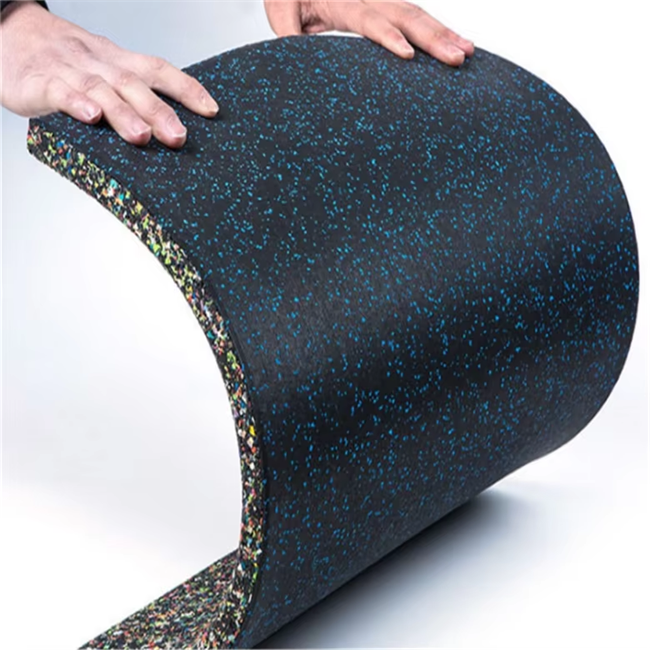

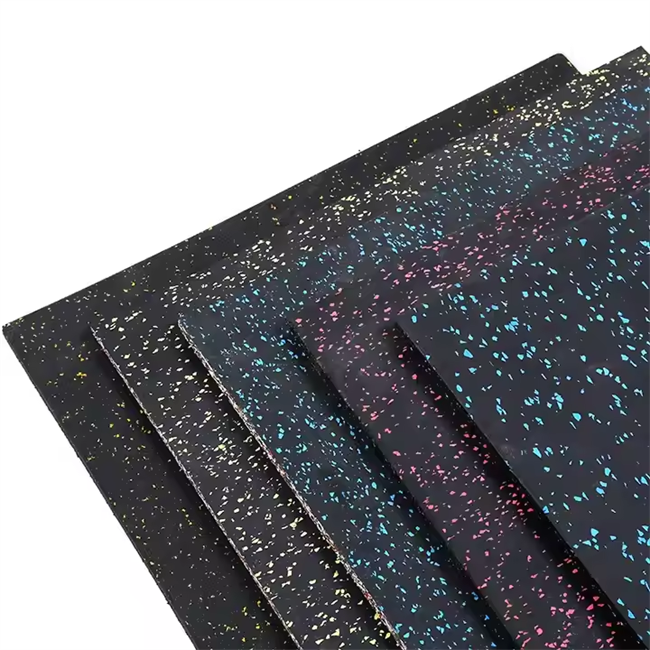

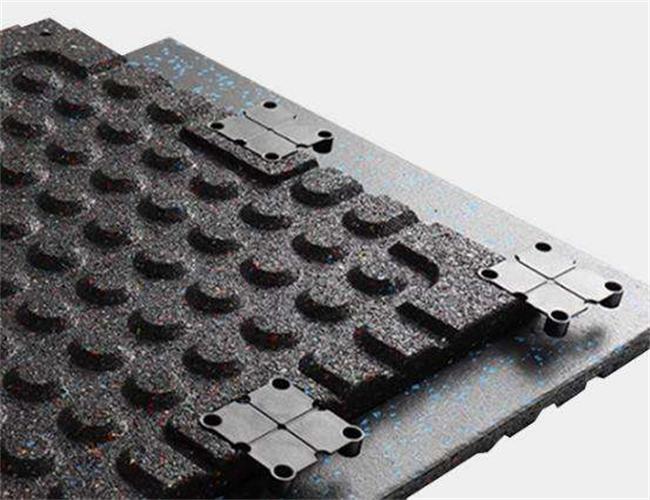

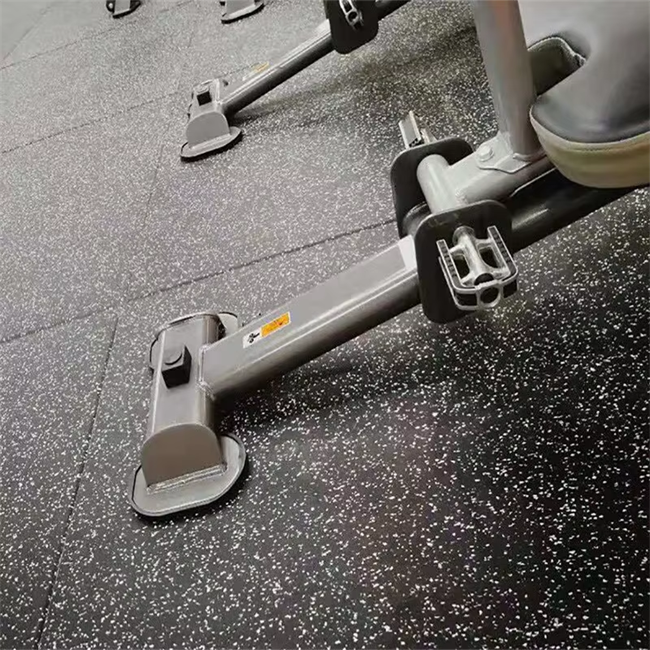

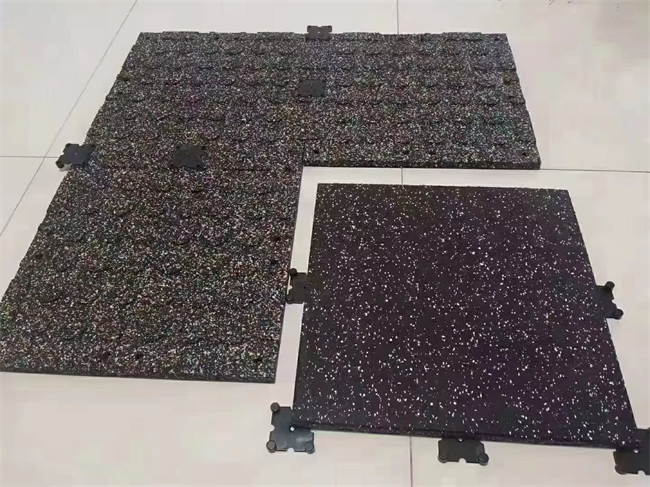

Choosing the right flooring for an indoor project involves balancing safety, durability, and long-term maintenance. For applications ranging from fitness centers to play areas, Indoor non-toxic durable EPDM floor mat products have become a preferred specification among architects, contractors, and facility managers. This guide provides a technical overview of EPDM rubber mats, helping you determine if they are the right solution for your project.
What is an EPDM Mat?
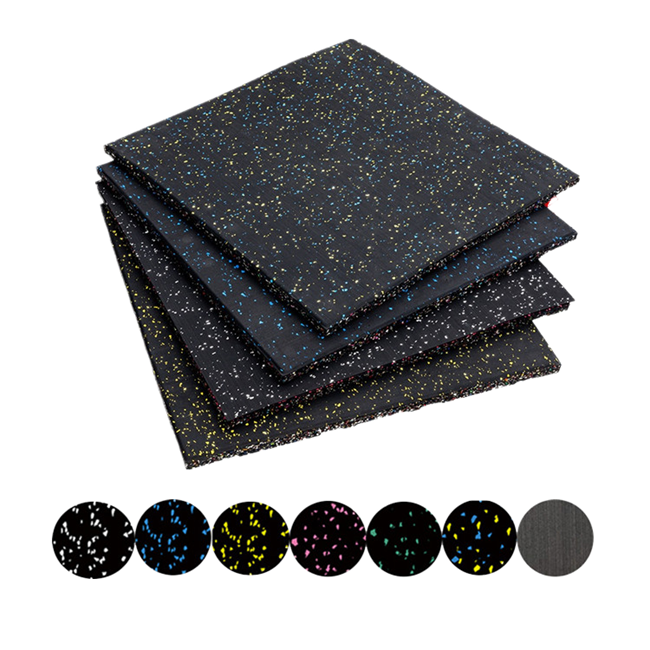
EPDM (Ethylene Propylene Diene Monomer) is a high-performance synthetic rubber known for its exceptional resistance to weathering, UV radiation, and physical wear. Unlike standard rubber mats often made from recycled SBR (Styrene-Butadiene Rubber) or tire crumb, EPDM Rubber Mats are engineered with a specific compound that maintains its integrity and color over time.
The most noticeable difference between an EPDM Mat and a conventional Rubber Mat lies in material composition and long-term performance. Standard rubber mats tend to rely on surface coatings or dyes for color, which can fade, peel, or wear off with heavy use and exposure to light. In contrast, EPDM Flooring Mat products are manufactured with color pigments blended directly into the rubber granules, meaning the color runs throughout the material. This through-colored construction ensures that even with surface abrasion, the mat retains its original appearance. Additionally, EPDM offers superior resistance to ozone, moisture, and temperature fluctuations, making it significantly more dimensionally stable than SBR alternatives, which are more prone to shrinkage, cracking, or hardening over time.
Another key distinction is odor and air quality. Many recycled rubber mats emit a strong, persistent tire-like smell due to residual oils and fillers. High-quality EPDM mats are formulated with lower volatile organic compound (VOC) content, resulting in minimal odor and a more acceptable indoor air environment, which is particularly important for enclosed spaces like gyms, daycare centers, and residential rooms.
Structure and Material Properties
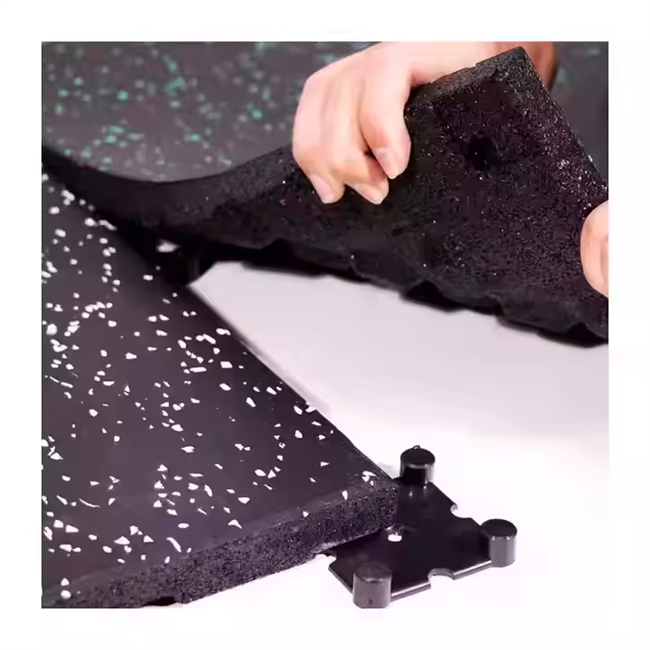
An EPDM Flooring Mat typically consists of a high-density EPDM top layer bonded to a shock-absorbing base, which is often made from recycled rubber or SBR foam. This dual-layer construction provides a surface that is both firm for stability and cushioned for impact protection.
Surface Characteristics
The surface of a quality EPDM Mat is typically textured to provide reliable traction, even in potentially sweaty or humid indoor environments. This non-slip property is critical for safety in fitness areas, sports facilities, and children’s play spaces. Because the color is mixed into the EPDM granules themselves, the mat resists fading. Even with surface wear, the color remains consistent, avoiding the "patchy" look common with painted or surface-dyed alternatives.
From a material safety perspective, premium EPDM Rubber Mats are formulated without harmful heavy metals, phthalates, or other restricted substances, making them suitable for indoor environments where children, pets, and sensitive users may be present. This non-toxic characteristic is often a deciding factor for schools, hospitals, and residential projects.
Common Specifications
While specific dimensions and thicknesses vary by manufacturer, EPDM mats are generally available in a range of thicknesses, typically starting from around 6mm and extending up to 30mm or more. The thickness directly influences shock absorption, durability under heavy loads, and overall comfort. In terms of format, these mats are offered as rolls for large, seamless installations; as interlocking tiles for modular, adhesive-free systems that allow for easy reconfiguration; and as individual standalone mats for smaller areas or equipment pads. Material hardness is commonly measured in Shore A, with most EPDM flooring products falling in the range of 50 to 70 Shore A, indicating a balanced combination of resilience and firmness.
Main Application Scenarios
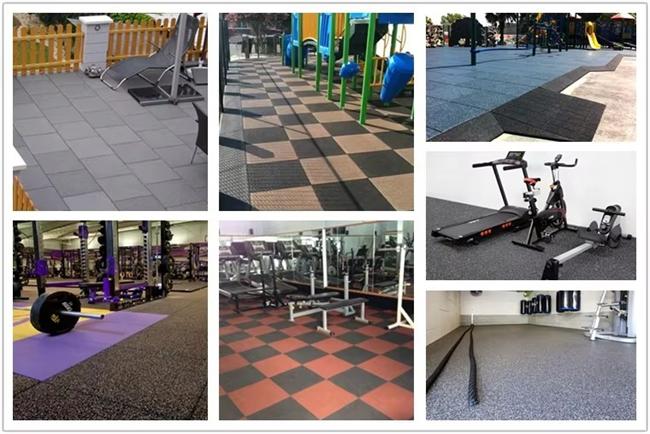
EPDM mats are specified across a wide variety of indoor environments where safety, noise reduction, hygiene, and longevity are critical.
Playgrounds and Daycares
In these settings, the primary concern is child safety. EPDM Playground Mats provide excellent shock absorption, reducing the risk of injury from falls. They are often specified to meet specific impact attenuation standards, giving facility operators and parents confidence in the protective qualities of the floor. The non-toxic, easy-to-clean surface is also a major advantage in spaces where hygiene is paramount.
Gyms and Fitness Areas
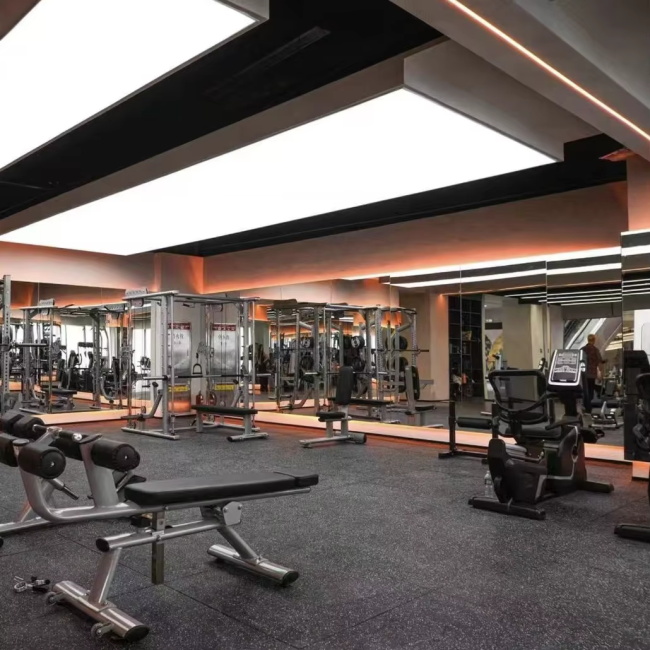
Commercial and home gyms benefit from EPDM Gym Mats in several ways. First, they protect subfloors from damage caused by dropped weights and heavy equipment. Second, they reduce joint strain for users during high-impact exercises such as jumping or running. Third, they help dampen noise from foot traffic and equipment, which is a significant advantage in multi-tenant buildings or shared facilities.
Sports Facilities
For indoor sports courts, multi-purpose training rooms, and athletic spaces, EPDM offers a balance of grip and cushioning that supports quick movements, sudden stops, and pivots. The surface is consistent and predictable, which is important for athletic performance, while the underlying cushioning helps reduce fatigue over extended training sessions.
Other Indoor Areas
Beyond these primary uses, EPDM Flooring Mats are also found in industrial workshops, garage spaces, showrooms, and even residential basements or home theaters where noise reduction and underfoot comfort are desired.
Practical Problems Solved by EPDM Mats
When project planners choose an EPDM Mat, they are typically addressing a specific set of operational or safety challenges.
Impact Absorption and Injury Prevention
One of the most valued properties of EPDM is its ability to absorb and dissipate impact energy. In play areas, this reduces the severity of injuries from falls. In gyms, it protects athletes' joints from repetitive stress. The level of impact absorption is directly related to the thickness and density of the mat, allowing specifiers to match the product to the intended activity level.
Slip Resistance
Wet or sweaty surfaces can create dangerous slip hazards. The textured surface of EPDM Rubber Mats provides reliable traction underfoot, even when moisture is present. This is especially valuable in fitness studios, pool changing areas, and any space where water or perspiration is likely.
Weather and UV Resistance
Although this article focuses on indoor applications, many indoor spaces still experience significant sunlight exposure through large windows or skylights. EPDM's inherent UV resistance ensures that the mat does not degrade, become brittle, or fade noticeably over time. This is a clear advantage over standard rubber mats, which often show signs of sun damage within months.
Color Retention and Aesthetics
For commercial spaces where branding or interior design matters, maintaining a consistent, vibrant appearance is important. EPDM's through-colored construction means the mat looks good for years with minimal maintenance, avoiding the dull, worn appearance that develops on surface-painted products.
Ease of Maintenance
EPDM mats are non-porous and resist moisture penetration, which prevents the growth of mold, mildew, and bacteria. Regular cleaning requires only sweeping and occasional damp mopping with mild detergent. This low-maintenance profile reduces long-term operating costs for facility managers.
How Thickness, Size, Color, Surface Texture, and Connection Method Affect Selection
Selecting the right EPDM Mat for a specific project requires understanding how various product parameters influence performance, cost, and user experience.
Thickness
Thickness is perhaps the most critical selection factor. Thinner mats, generally in the 6mm to 8mm range, are suitable for light-traffic walking areas, home gyms with minimal equipment, or applications where floor protection is the primary goal rather than shock absorption. Medium-thickness mats, around 10mm to 15mm, are commonly used in commercial gym cardio zones, strength training areas, and multi-purpose fitness studios where moderate impact protection and comfort are needed. For heavy lifting areas, high-traffic zones, or playgrounds requiring significant fall protection, thicknesses of 20mm or greater are typically specified. The choice should be driven by the intended activity, the weight of equipment, and any applicable safety standards.
Size and Format
The dimensions of the mat and its format—roll, tile, or individual mat—affect both installation complexity and overall cost. Rolls offer the advantage of minimal seams, which is desirable for large open areas like sports courts or expansive gym floors. However, rolls can be heavier and more difficult to handle during installation. Interlocking tiles are popular for their modularity; they can be installed without adhesive, replaced individually if damaged, and reconfigured if the space is repurposed. Individual mats are best for smaller areas, equipment pads, or spaces where a custom fit is not required.
Color
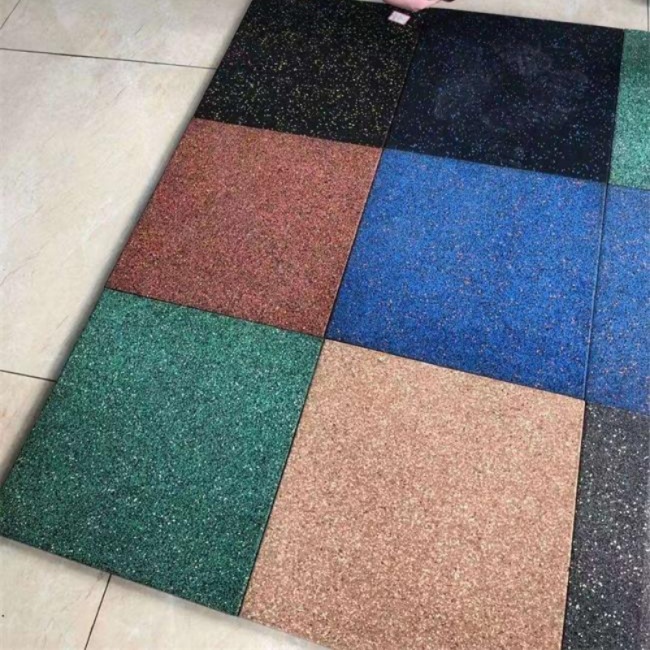
While black is the most common and economical choice, EPDM is available in a broad palette of colors. For indoor gyms and play areas, colorful mats can enhance the visual appeal of the space, support wayfinding, or align with corporate branding. Because the color is throughout the material, it will not wear away. However, it is worth noting that lighter colors may show dirt more readily, so maintenance expectations should be considered when selecting a shade.
Surface Texture
Different surface textures offer varying levels of slip resistance and underfoot feel. A fine texture may be preferred for sports where players move quickly and need a predictable surface, while a coarser texture might be chosen for wet areas or spaces with heavy foot traffic. Some manufacturers offer custom surface patterns or logos embedded into the mat, which can be a valuable option for branding in commercial fitness clubs.
Connection Method
For interlocking systems, the design of the edge connectors affects installation ease, seam security, and long-term stability. Some interlocking tiles use simple jigsaw-style edges, while others feature more advanced locking mechanisms that provide a tighter fit and better resistance to shifting under heavy loads. For rolled mats, the edges may need to be glued or mechanically fastened, depending on the subfloor and the expected movement.
How to Choose the Right EPDM Mat for Different Application Scenarios
Selecting an EPDM Mat is not a one-size-fits-all decision. The following guidelines can help match product features to specific project needs.
For a daycare or preschool indoor play area: Prioritize non-toxic materials, moderate to high thickness (15mm or above) for fall protection, and a colorful, engaging surface that is easy to clean. Interlocking tiles may be preferred for their ability to be replaced if a section becomes stained or damaged.
For a commercial weightlifting gym: Choose a high-density, thick mat (20mm or more) to withstand heavy loads and repeated impacts. A roll format may be preferable to eliminate seams that could catch equipment or debris. Dark colors are practical in this environment, as they conceal scuffs and wear.
For a boutique fitness studio (yoga, Pilates, group classes): A medium-thickness mat (10mm to 15mm) with a fine, comfortable texture is appropriate. Color becomes more important here, as the floor is often part of the studio's aesthetic. Interlocking tiles offer flexibility if the studio layout changes.
For an indoor sports court (basketball, volleyball, futsal): Rolls are typically the best choice to achieve a seamless playing surface. The thickness should be sufficient to provide shock absorption without excessive sponginess that could affect ball bounce or player movement. A uniform, non-reflective color is usually specified for visibility.
For a workshop or industrial area: Durability and chemical resistance are key. While EPDM is resistant to many substances, it may not be suitable for environments with heavy oil or solvent exposure. Thickness should be adequate to protect the subfloor from dropped tools or equipment.
Customization Options
For projects with specific requirements, many suppliers offer customization services. These can include:
- Custom colors: Matching a brand’s exact color code or selecting from a wider palette beyond standard options.
- Custom dimensions: Producing mats in non-standard lengths, widths, or shapes to fit unusual spaces.
- Custom thickness: Specifying thicknesses that fall outside the standard range to meet particular performance requirements.
- Surface design: Embossing logos, patterns, or directional markers directly into the surface.
- Edge and connection customization: Modifying edge profiles or interlocking designs for unique installation conditions.
It is important to note that customization may affect lead times, minimum order quantities, and costs. Procurement teams should discuss these factors early in the project planning process.
Comparison with Other Flooring Materials
Understanding the strengths and limitations of EPDM relative to other options helps specifiers make informed decisions.
EPDM vs. Standard Recycled Rubber (SBR): The main advantages of EPDM are better UV resistance, color stability, lower odor, and longer service life in demanding environments. SBR mats are generally less expensive, making them a cost-effective choice for short-term projects, temporary spaces, or areas where aesthetics are not a concern.
EPDM vs. PVC: PVC flooring can be softer and may offer a wider range of decorative patterns, but it generally lacks the impact resistance and durability of EPDM under heavy loads or high traffic. Additionally, PVC is often criticized for environmental concerns, whereas EPDM is more stable and less prone to off-gassing.
EPDM vs. Carpet: Carpet is comfortable but difficult to clean, absorbs odors and moisture, and is not suitable for high-impact activities or equipment-heavy spaces. EPDM is waterproof, easy to sanitize, and far more durable in demanding commercial settings.
EPDM vs. Hardwood or Engineered Wood: Wood offers a traditional, premium aesthetic, especially for sports courts, but it is susceptible to moisture damage, scratches, and requires regular refinishing. EPDM provides better slip resistance, impact protection, and lower maintenance requirements, albeit with a different visual appeal.
Where EPDM Excels: Indoor gyms, play areas, fitness studios, sports facilities, workshops, and any space requiring a combination of safety, durability, hygiene, and aesthetic longevity.
Where EPDM May Not Be the Best Fit: Environments with heavy exposure to petroleum-based oils or strong solvents, where a more chemically resistant rubber (such as nitrile) would be required. For light-duty residential applications where budget is the primary constraint, SBR may be an acceptable alternative. For spaces where the primary requirement is decorative versatility rather than physical performance, luxury vinyl tile or carpet might be preferred.
Frequently Asked Questions (FAQ)
Are EPDM mats safe for indoor use?
Yes. Premium EPDM mats are formulated without harmful heavy metals, phthalates, or other restricted substances, and they have low VOC emissions, making them safe for indoor environments such as schools, daycare centers, gyms, and residential areas.
Do EPDM mats have a strong rubber odor?
High-quality EPDM mats have significantly less odor than recycled rubber or SBR mats. They are considered low-odor products, which is a distinct advantage for indoor installations, especially in enclosed or poorly ventilated spaces.
How do I clean and maintain an EPDM floor?
Maintenance is straightforward. Regular sweeping or vacuuming removes surface debris, and occasional mopping with a mild detergent and water is sufficient for deeper cleaning. The non-porous surface resists moisture absorption, preventing the growth of mold and mildew.
How long do EPDM mats last?
EPDM is known for its long service life, even under demanding conditions. Its resistance to UV light, ozone, temperature changes, and physical wear means it typically outperforms standard rubber mats significantly. Specific lifespan will depend on usage intensity and maintenance practices.
Can I install EPDM mats over an existing floor?
In most cases, yes. EPDM mats can be installed over concrete, wood, or existing resilient flooring, provided the subfloor is clean, dry, level, and structurally sound. Interlocking tiles are particularly suitable for overlay installations because they do not require adhesives.
How do I choose the right thickness?
Consider the intended use. For light walking areas, 6–8mm is sufficient. For general fitness and moderate use, 10–15mm is recommended. For heavy weightlifting areas or high-impact play zones, 20mm or greater thickness is typically specified.
Can I get custom sizes, colors, or surface designs?
Many manufacturers offer customization services. You can often specify non-standard dimensions, match specific color codes, and even have logos or patterns embossed into the surface. Custom orders generally require larger quantities and extended lead times.
What is the difference between an EPDM mat and a wet-pour rubber surface?
An EPDM mat is a pre-manufactured tile or roll that is produced in a factory and delivered ready to install. A wet-pour surface is installed on-site by mixing rubber granules with a binder and troweling it into place. Mats offer faster installation, easier replacement of damaged sections, and more consistent quality control from a factory environment.
Get the Right EPDM Mat for Your Project
Selecting the correct flooring solution requires careful evaluation of your specific application, performance requirements, and project constraints. With the information provided above, you are now better equipped to make an informed decision.
If you have a project in mind, we encourage you to reach out with details about your intended use, required dimensions, preferred thickness, color preferences, and estimated quantity. Our team can help you compare options, provide product samples for evaluation, and offer a detailed quotation with transparent lead times.
Contact us to discuss your project specifications. Request samples to verify quality and performance in your own environment. Let us know your quantity and timeline so we can provide accurate delivery information. We are ready to assist with technical questions and help you select the most suitable EPDM mat for your needs. Get in touch today to move your project forward.


