 注: 建议图片大小150px*50px
丨
注: 建议图片大小150px*50px Views: 0 Author: Site Editor Publish Time: 2026-07-16 Origin: Site


For contractors, specifiers, and procurement professionals, specifying EPDM wet pour is rarely the end of the conversation. The real questions begin after installation: How do you keep this surface safe, compliant, and visually appealing over its lifecycle? What causes premature failure, and how can you prevent it?
This guide addresses the maintenance challenges that matter most to industry professionals—not just the basics, but the technical decisions that separate a surface that lasts 3 years from one that performs for 15+ years.

What Is Wet Pour? A Technical Overview for Specifiers
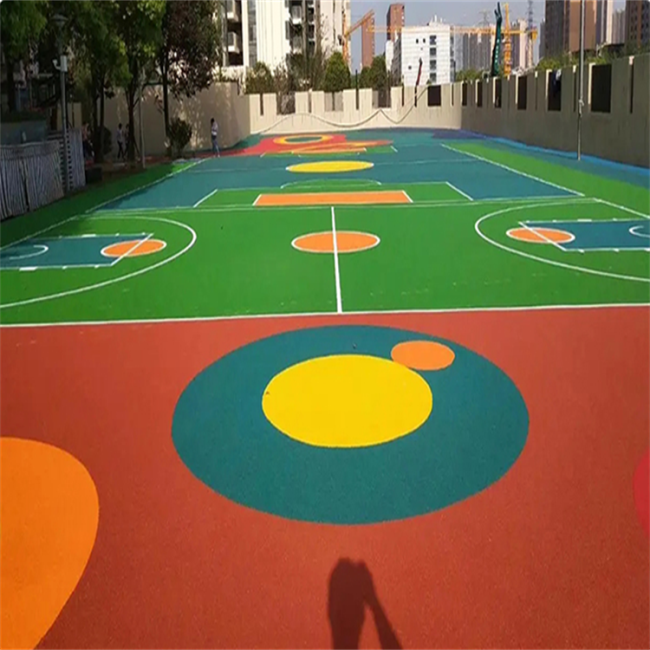
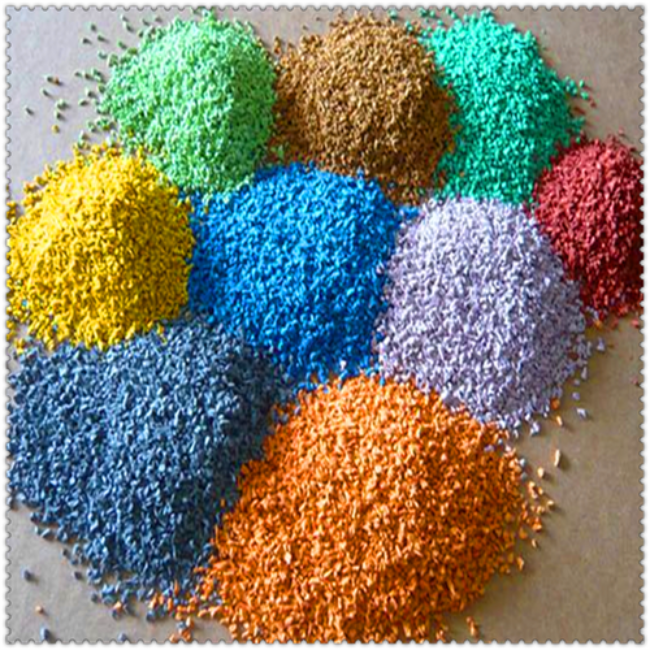
Wet pour rubber is a two-layer, in-situ safety surfacing system. The base layer consists of recycled SBR (styrene-butadiene rubber) bound with polyurethane, providing the critical fall-height absorption. The top wearing course uses virgin EPDM (ethylene propylene diene monomer) granules—a synthetic rubber known for its exceptional UV and weather resistance .
The distinction matters to your bottom line: EPDM's molecular structure, with its saturated polymer backbone, makes it inherently more stable than SBR, which is why EPDM is always specified for the top layer exposed to sun, rain, and foot traffic . The granules are mixed on-site with a resin binder, troweled into place, and cured within 24-48 hours .
Why Maintenance Matters: The Real Cost of Neglect
Your clients are investing significant capital. Maintenance isn't just about aesthetics; it's about:
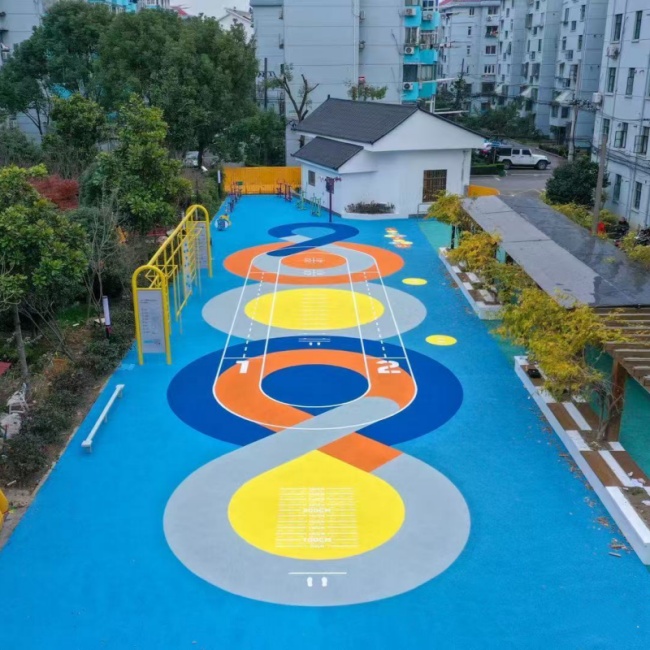
- Critical Fall Height (CFH) Compliance: Wet pour is specified because it meets critical fall height requirements (typically >1.4m) . This safety rating is compromised when cracks, gaps, or degradation occur. A surface that fails inspection is a liability, not a playground.
- Porous Drainage Performance: Wet pour is designed to be permeable, allowing water to drain naturally and prevent flooding . When dirt, debris, and organic growth (moss, algae) clog the voids, water pools. Puddles create slip hazards and accelerate surface degradation—especially freeze-thaw damage in colder climates .
- Lifecycle Cost Control: Regular cleaning with a soft bristle brush, low-pressure washing, and prompt repair of minor damage costs pennies compared to full resurfacing. Proactive inspection catches issues like shrinkage at perimeter edges or granulation in high-traffic zones before they become trip hazards requiring major repair .
Common Wet Pour Failures and How to Prevent Them
Understanding why surfaces fail helps you specify better materials and advise clients on realistic maintenance expectations.
1. UV Degradation and Color Fade
This is the complaint from end-users. EPDM is UV-resistant, but not UV-proof. The primary mechanism is bond dissociation (C-C and C-H bonds break) caused by UV energy, leading to surface cracking, chalking, and color fading . Studies show that as aging time increases, surfaces become rough, chromatic aberration increases, and glossiness decreases .
The Specifier's Solution: Specify EPDM with advanced UV stabilizers. Some manufacturers incorporate nano-TiO₂ anti-aging agents, which have been shown to reduce chromatic aberration by 0.97 and glossiness loss by 22.29% compared to unstabilized EPDM . Additionally, ensure the polyurethane binder is aliphatic (UV-stable), not aromatic. Aromatic resins yellow on exposure to sunlight—a reversible phenomenon but visually undesirable for bright colors .
2. Perimeter Shrinkage and Edge Gaps
Because EPDM rubber expands and contracts with temperature changes, shrinkage away from perimeter edges is common, particularly in seasonal climates . These gaps are trip hazards and allow water ingress beneath the surface, undermining the base layer.
Prevention: Proper installation technique—including cutting a clean, sharp edge and installing a contrasting "band" repair—can mitigate this. Regular inspections should check for gaps, especially after extreme weather .
3. Granulation (Loss of Granules) in High-Traffic Areas
EPDM doesn't "wear out" in the traditional sense. Instead, the bond between granules and the polyurethane binder loosens over time, causing individual granules to separate—a process called granulation . This is most visible under swings, at slide exits, and along running lanes.
Prevention: Apply a urethane Roll Coat every 2-3 years on high-traffic areas. This re-bonds the surface, restores color, and prevents granulation . This is analogous to re-varnishing a wooden floor—it extends the life of the surface significantly.

The Maintenance Protocol: Daily, Weekly, Monthly
Based on industry best practices, a structured maintenance program ensures safety and longevity .
Daily
Visual Inspection: Remove debris (leaves, sticks, sharp objects). Look for spills, stains, or obvious damage.
Surface Sweeping: Use a soft bristle brush to clear dirt that could clog pores.
Weekly
Deep Cleaning: Use a mild detergent solution with hot water and a soft bristle brush. For larger areas, a low-pressure power wash (angled to avoid damaging the surface) effectively cleans without dislodging granules .
Stain Removal: Address bird droppings, chewing gum, or organic growth promptly with appropriate cleaning solutions .
Monthly
Inspection for Damage: Systematically check for cracks, tears, puddling, color fade, and perimeter gaps. Pay extra attention to high-traffic zones and areas around equipment posts.
Organic Growth Treatment: Apply treatments to prevent moss and algae, which make surfaces slippery and block drainage .
When Repairs Are Required: A Practical Guide
Not all damage requires a contractor. Minor repairs can be handled with Wet Pour Repair Kits, but knowing when and how is critical.
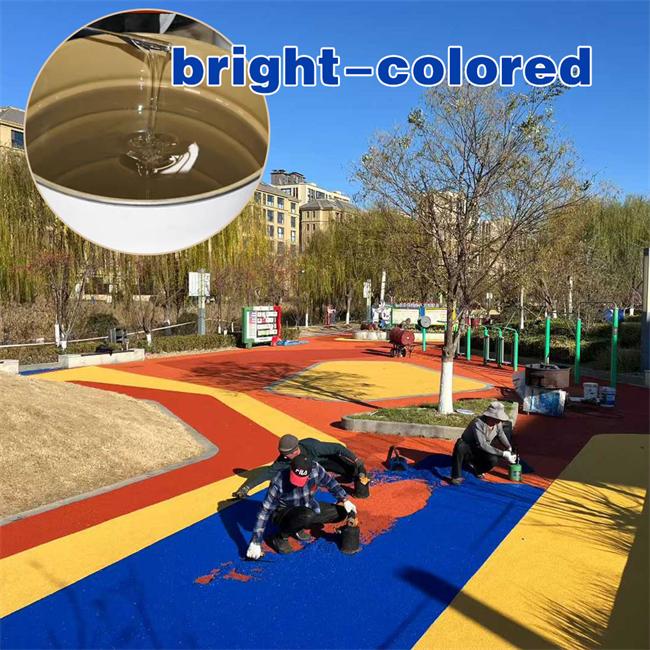
DIY Repairs (Surface Level): For small cracks, tears, or holes, a repair kit containing EPDM granules, PU binder, and primer is required. The process involves:
1. Cutting out the damaged area (a shape like a star or triangle ensures the new patch locks in).
2. Applying primer to the exposed edges.
3. Mixing the EPDM and PU binder thoroughly (3-4 minutes) .
4. Troweling the mix into the void and allowing it to cure for 24 hours, protected from rain .
Professional Repairs: Perimeter shrinkage, large-area damage, or issues with the SBR base layer (e.g., waterlogging, loss of structural integrity) require professional assessment. Edge "band" repairs involve cutting back a 200-300mm strip and re-installing new material, often in a contrasting color .
Avoiding Procurement Mistakes: A 5-Point Checklist
Your spec and procurement decisions directly impact maintenance frequency and cost. Here's what to prioritize:
1. Specify Virgin EPDM, Not Recycled: Virgin EPDM offers significantly higher tensile strength (4-7 MPa), better elasticity, and far superior UV and color stability compared to recycled or SBR-based top courses. SBR surfaces are cheaper but fade, oxidize, and crumble faster .
2. Demand Documentation on UV Stabilization: Ask suppliers about their UV stabilization technology. What antioxidants and UV absorbers are used? Can they provide technical data on colorfastness (e.g., test results showing ΔE color change after accelerated UV exposure)?
3. Verify the Binder Chemistry: Insist on aliphatic polyurethane binders for light colors (white, pink, bright blue) and any project with high sun exposure. Aromatic binders are cheaper but yellow significantly, and the yellowing is not always reversible .
4. Request Particle Size Consistency: Inconsistent particle sizes lead to uneven compaction, poor drainage, and a surface that looks patchy and feels uneven underfoot. A quality supplier will have strict sieve analysis controls.
5. Evaluate Sulfur Content and Odor: Standard EPDM often contains sulfur-based accelerators that can outgas under strong UV and heat, producing an odor. High-quality, "sulfur-free" EPDM uses alternative cross-linking systems, resulting in no odor even in high temperatures, a more stable molecular structure, and significantly enhanced aging resistance.

Why Sulfur-Free, High-Performance EPDM Changes the Equation
The performance gap between standard EPDM and advanced sulfur-free EPDM is substantial:
- Superior Aging Resistance: By eliminating sulfur, the polymer's cross-linking is more stable and less susceptible to UV-induced chain scission. This can extend the effective lifespan of a surface by over 3x.
- Enhanced Mechanical Properties: Tensile strength and elongation at break improve by 2-3x (achieving 4-7 MPa), allowing the surface to withstand greater impact and flex without cracking.
- Lower Density, Higher Coverage: Sulfur-free formulations typically have a lower bulk density, meaning you get more coverage per kilogram. The granules also maintain a sharper, more angular shape, which interlocks better during installation for a more durable, aesthetically pleasing surface.
- Food-Grade Environmental Safety: These materials can meet stringent food-grade safety standards—critical for projects in schools, hospitals, and public spaces where children's safety is paramount.
FAQ: Addressing Industry Concerns
"Can wet pour be repaired, or does it need full replacement?"
Yes, it can be repaired. Minor damage (cracks, small tears) is repairable with a DIY kit. Larger damage or edge shrinkage is professionally repairable . Full replacement is only necessary when the SBR base layer is compromised or widespread granulation has occurred.
"Is wet pour maintenance really low-cost?"
Yes, the ongoing maintenance cost is low—primarily labor for cleaning and inspections. The lifecycle cost is highly predictable compared to loose-fill surfaces. The key variable is the quality of the EPDM and binder you specify. Higher upfront quality translates to significantly lower maintenance and replacement costs over a 15-year horizon.
"Can we change the color during a repair?"
Absolutely. In fact, using a contrasting color for edge repairs or patches is common and can create an attractive "design" feature . For larger overhauls, a new EPDM top layer can be applied over the existing base if it is in good condition.
"How do we prevent puddling on wet pour?"
Puddling is almost always due to blocked pores or an incorrect slope during installation. Ensure your installer slopes the surface at 1:40 for effective drainage. Regular cleaning to keep pores open is critical .
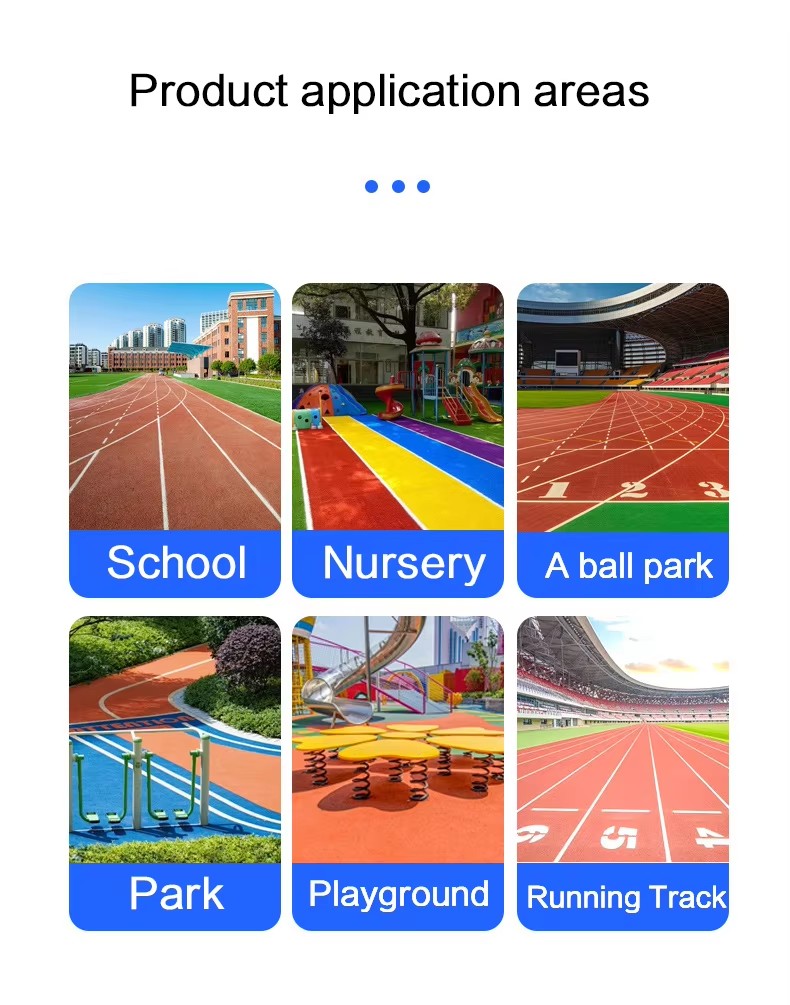
The most cost-effective maintenance strategy is to start with the highest quality materials. Specify sulfur-free, UV-stabilized virgin EPDM with an aliphatic binder. This single decision reduces color fade, improves tensile strength, eliminates odor, and extends the surface's life by multiples compared to standard systems.


With 25+ years of industry expertise, advanced sulfur-free technology, flexible MOQs, and full color/size customization, we're here to support your projects from specification through to maintenance.
WOW(LYG) New Material Co Ltd is a manufacturer specializing in the production of EPDM rubber granules. We use sulfur-free vulcanization technology, it increases the service life by more than 3 times than traditional EPDM granules, and enhances the performance, including anti-aging, high-temperature resistance, and colorfastness.
We have over 25 years of production experience and offer customization for colors and granule sizes. NO MOQ.


