 注: 建议图片大小150px*50px
丨
注: 建议图片大小150px*50px Views: 0 Author: Site Editor Publish Time: 2026-08-11 Origin: Site


For playground contractors, sports surfacing installers, and purchasing managers, technical specifications often feel like a foreign language. Yet, one number can be the difference between a surface that lasts 10 years and one that fails within 3. The tensile strength of EPDM rubber granules—measured in megapascals (MPa)—is that number. When you see EPDM granules with elasticity reaching 4–7 MPa, it represents a threshold that distinguishes standard materials from premium, high-performance surfacing.
This guide explains what 4–7 MPa tensile strength actually means for your projects, how it impacts installation and durability, and why this specification matters more than price when selecting EPDM granules for playgrounds, running tracks, and safety surfacing.
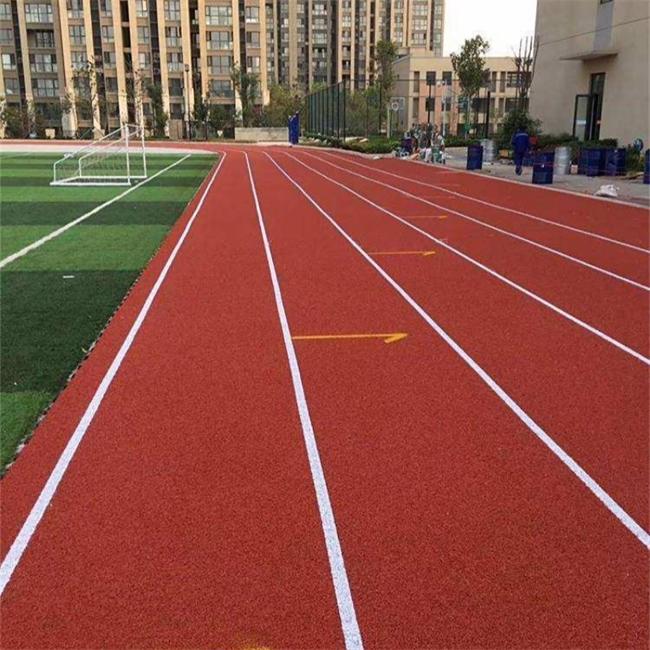
What Is Tensile Strength in EPDM Granules?
Tensile strength measures the maximum stress a material can withstand while being stretched before breaking. For EPDM (ethylene propylene diene monomer) rubber granules, this is tested according to standards such as DIN 53504, which involves molding granules into a test specimen and pulling it apart until failure .
The test results are expressed in MPa. For context:
- Standard SBR (styrene-butadiene rubber) granules from recycled tires typically range from 1.5–2.5 MPa
- Conventional EPDM granules often achieve 2.5–3.5 MPa
- High-performance EPDM granules reach 4–7 MPa or higher
Industry standards for wet pour surfacing typically require a minimum tensile strength of 4 MPa to EN 12230 . However, not all EPDM granules on the market meet this threshold—and some that claim to fall short when tested.

Why 4–7 MPa Matters: Real-World Performance Impact
1. Structural Integrity Under Load
Playgrounds and running tracks experience continuous dynamic loading—children running and jumping, maintenance equipment, and environmental stress. EPDM granules with tensile strength below 4 MPa are more prone to:
- Surface cracking under repetitive impact
- Granule detachment from the binder matrix
- Premature surface failure in high-traffic zones
Materials achieving 4–7 MPa maintain their structural integrity significantly longer, with test data showing elongation at break of 400–440% at this strength level, indicating both strength and flexibility .
2. Superior Binder Compatibility and Bond Strength
The bond between EPDM granules and PU binder is critical. Higher tensile strength granules generally correlate with:
- Better polymer content (typically 20% or higher)
- More consistent granule surface for binder adhesion
- Reduced risk of delamination over time
Poor binder adhesion is one of the most common failure modes in wet pour installations, often traced to low-quality granules with insufficient tensile properties.
3. Long-Term Performance Retention
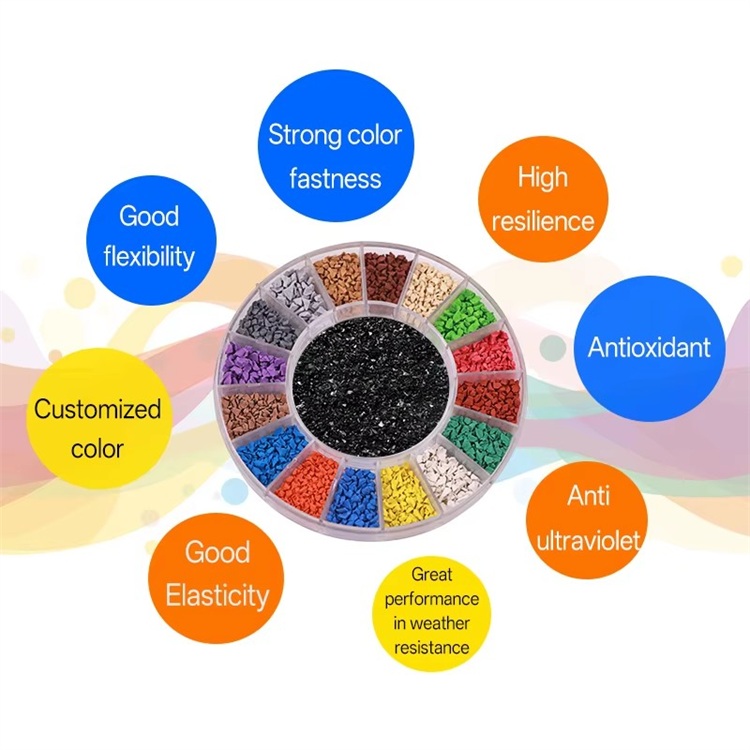
Perhaps the most critical advantage of 4–7 MPa EPDM is how it performs over time. With advanced sulfur-free curing technology, these granules demonstrate:
- Performance retention rate up to 5 times higher than conventional products
- Resistance to degradation from UV exposure and temperature cycling
- Minimal loss of elasticity even after years of outdoor exposure
Conventional EPDM granules often lose 30–50% of their tensile strength within 3–5 years of UV exposure. High-performance 4–7 MPa granules maintain their properties far longer.
4. Environmental Resistance
The 4–7 MPa performance range is typically achieved through optimized polymer cross-linking. This translates directly to:
- UV stability: Resistance to color fading and surface degradation
- Temperature tolerance: Performance from -40°C to 120°C without significant property changes
- Chemical resistance: Ozone and oxidation resistance that prevents surface cracking
Applications Where 4–7 MPa EPDM Is Essential
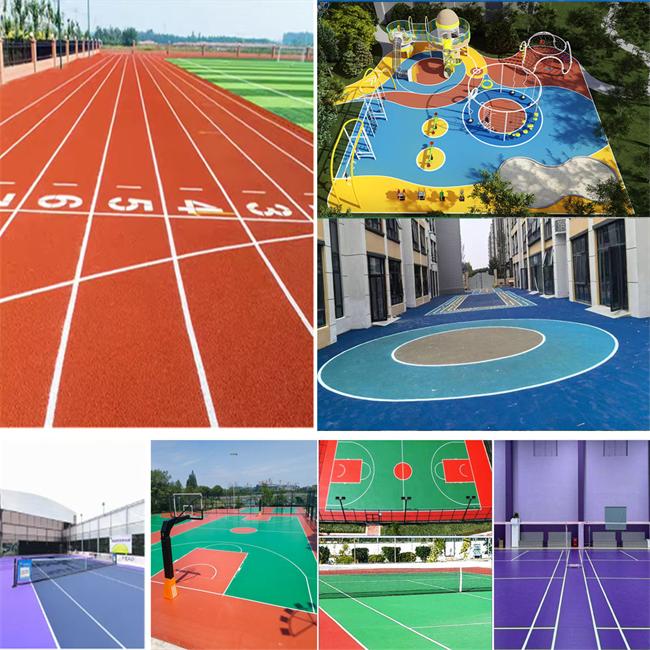
While lower-grade EPDM may suffice for decorative or low-traffic applications, the following project types demand 4–7 MPa tensile strength:
Playground Safety Surfacing (Wet Pour)
Critical fall height ratings require consistent material density and shock absorption. The impact attenuation properties of wet pour EPDM depend heavily on granule quality. Sub-4 MPa materials compress unevenly under impact, compromising safety compliance .
Athletic Running Tracks
IAAF and World Athletics certified tracks require materials meeting stringent mechanical property standards. The elastic response of 4–7 MPa EPDM provides optimal energy return while maintaining athlete protection.
Multi-Sport and High-Traffic Facilities
Recreational areas used for multiple sports or high-frequency community use require surfacing that maintains properties under diverse loading conditions. Higher tensile strength directly correlates with wear resistance and surface longevity.
Municipal and Commercial Projects
Government and commercial specifications increasingly reference tensile strength minimums. Meeting these with verified 4–7 MPa granules ensures compliance and avoids costly remediation.
Common Challenges and How to Avoid Them
Challenge 1: Counterfeit or Misrepresented Specifications
Some suppliers provide technical data sheets claiming 5–6 MPa tensile strength but deliver granules testing below 3 MPa. This occurs through:
- Testing at non-standard temperatures or speeds
- Cherry-picking best-case batch results
- Using reclaimed rubber blended with virgin EPDM
Solution: Request independent test reports from accredited laboratories and conduct incoming material verification.
Challenge 2: Inconsistent Batch-to-Batch Performance
Even quality EPDM can vary between production runs if manufacturing controls are inadequate. Polymer content variation from 18% to 22% can shift tensile strength by 1–2 MPa.
Solution: Source from manufacturers with documented quality control systems and batch traceability.
Challenge 3: Incompatibility with Binder Systems
Not all high-strength EPDM granules bond equally with PU binders. Some achieving high tensile strength through excessive cross-linking can have poor surface reactivity.
Solution: Test binder compatibility before full-scale installation and request the manufacturer’s recommended binder pairing.
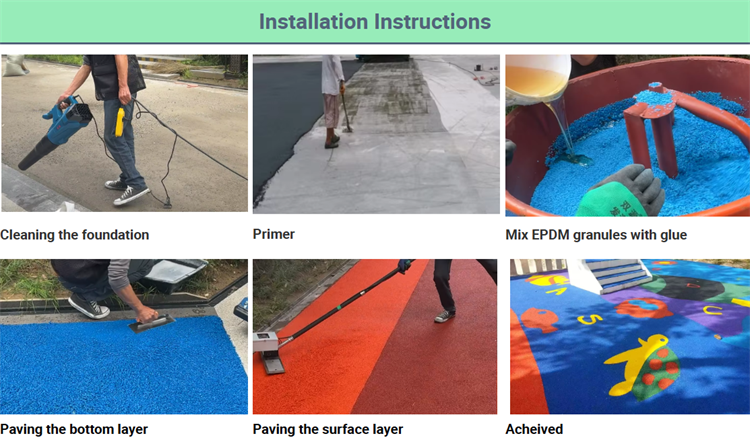
How to Choose the Right EPDM Granules
Granule Size Selection
Different granule sizes serve different purposes, even at the same tensile strength:
- 0.5–1.5 mm: Fine texture for top layers, splash pads, and decorative applications
- 1–3 mm: Standard for most wet pour playground surfaces
- 1–4 mm: Common for sports surfaces and running tracks
- 2–4 mm: Often used for base layers or high-drainage applications
Color Considerations
Color stability is independent of tensile strength but equally important. Premium EPDM granules use high-quality pigments resistant to UV degradation. Surface colors should maintain vibrancy at Grey Scale rating 4–5 after 1000+ hours of UV exposure . With our sulfur-free technology, color pigments remain stable without the chemical degradation that causes fading in conventional EPDM.

Manufacturer Insights: Selecting a Long-Term EPDM Partner
Based on over 25 years of EPDM manufacturing experience, the following guidance reflects industry best practices and common pitfalls observed across global projects:
On polymer content: Higher tensile strength requires adequate polymer content. Products with polymer content below 18% rarely achieve 4 MPa tensile strength, regardless of marketing claims. Request polymer content verification.
On curing systems: Sulfur-cured EPDM can meet tensile specifications but often exhibits reduced UV stability and odor. Advanced sulfur-free curing systems provide superior long-term performance.
On quality verification: Request material certification from an independent laboratory for each batch delivered. Reputable suppliers provide this as standard practice.
On customization: Many projects benefit from custom colors to match branding or design specifications. Suppliers offering RAL or Pantone matching and private labeling can streamline project execution.
On supply chain: Verify the manufacturer’s production capacity and export experience. Consistent quality and reliable delivery are as critical as technical performance.

Frequently Asked Questions
Q1: What size EPDM granules should I choose for a playground?
The most common size for playground wet pour surfacing is 1–3 mm or 1–4 mm. For decorative top layers or splash pads, 0.5–1.5 mm provides a finer finish. The selection depends on design requirements and critical fall height needs.
Q2: Do EPDM granules fade over time?
Quality EPDM granules with UV-stable pigments maintain color for 8–10+ years outdoors. Look for Grey Scale rating of 4–5 after UV testing. Conventional EPDM may fade within 3–5 years.
Q3: How much PU binder is required for installation?
Typically, 15–25% binder by weight of the EPDM granule mix, depending on the application and binder type. Consult the binder manufacturer’s specifications and conduct test batches.
Q4: Can EPDM granules be customized for specific colors?
Yes. Premium manufacturers offer custom color matching to RAL, Pantone, or customer samples, with no minimum order quantity for color customization.
Q5: What certifications should I verify?
Key certifications include REACH compliance, EN 71-3 migration testing, PAH testing to relevant standards, and ISO 9001 for quality management.
Q6: How long does EPDM surfacing last?
With 4–7 MPa tensile strength EPDM granules and proper installation, surfaces can last 10–15+ years. Sulfur-free EPDM technology can extend service life by 3 times compared to conventional products.

Understanding what EPDM granule elasticity of 4–7 MPa means empowers you to make informed procurement decisions that directly impact project quality, safety compliance, and long-term durability. This specification differentiates premium materials from commodity products and should be a non-negotiable requirement for playgrounds, running tracks, and safety surfacing installations.
For contractors and purchasing managers, selecting EPDM granules with verified 4–7 MPa tensile strength reduces risk of premature failure, ensures regulatory compliance, and enhances end-user satisfaction. Work with manufacturers who provide documented quality control, technical support, and flexible customization options to meet your project’s specific requirements.
Request material samples, technical data sheets, and certification documents before committing to any purchase. The upfront investment in verifying these specifications pays dividends in project longevity and reputation.

WOW(LYG) New Material Co Ltd is a manufacturer specializing in the production of EPDM rubber granules. We use sulfur-free vulcanization technology, it increases the service life by more than 3 times than traditional EPDM granules, and enhances the performance, including anti-aging, high-temperature resistance, and colorfastness.
We have over 25 years of production experience and offer customization for colors and granule sizes. NO MOQ.


