 注: 建议图片大小150px*50px
丨
注: 建议图片大小150px*50px Views: 0 Author: Site Editor Publish Time: 2026-08-15 Origin: Site


When specifying safety surfacing for playgrounds, running tracks, or recreational areas, the choice of EPDM granules for impact absorbing surfacing is one of the most critical decisions a contractor, engineer, or purchasing manager will make. The material must meet stringent safety standards, withstand years of environmental exposure, and deliver consistent performance—all while staying within budget.
This guide draws on over two decades of manufacturing expertise to help you navigate the technical specifications, avoid common procurement pitfalls, and select a supplier who can deliver quality, consistency, and value for your international projects.
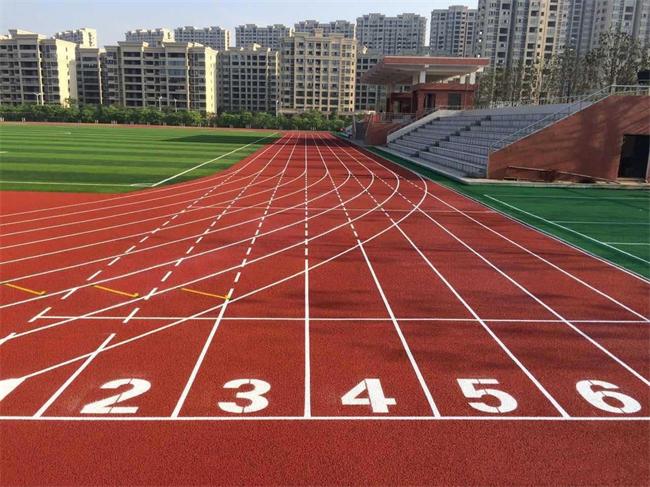
What Are EPDM Granules for Impact Absorbing Surfacing?
EPDM (Ethylene Propylene Diene Monomer) is a synthetic rubber known for exceptional weather resistance, UV stability, and elasticity. In the context of impact-absorbing surfacing, EPDM granules are the colored top layer used in wet pour rubber systems, poured-in-place (PIP) surfacing, and running track applications.
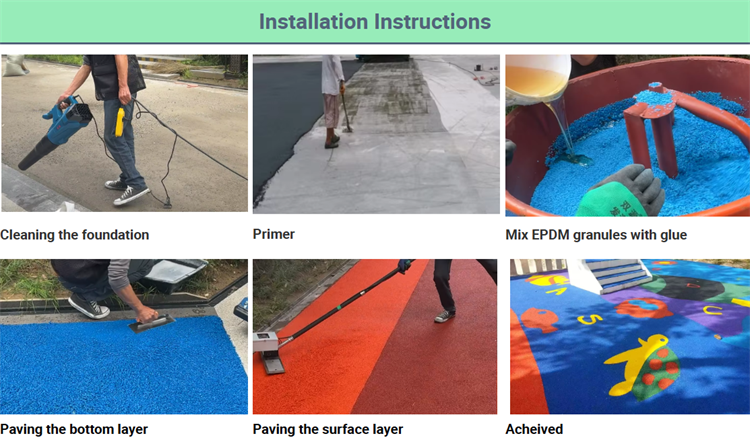
A typical wet pour system consists of two layers. The base layer is made of SBR (Styrene-Butadiene Rubber) granules bound with polyurethane, typically with a minimum thickness of 20mm, providing the primary shock absorption. The top wearing course consists of colored EPDM granules bound with a UV-stable resin, typically with a minimum thickness of 15mm. The EPDM top layer provides color, UV protection, wear resistance, and the final playing surface. When installed correctly, this system can achieve critical fall heights (CFH) exceeding 1.4 meters, and even up to 3.23 meters with thicker specifications.
Why EPDM rather than SBR for the top layer? Because EPDM is a virgin material with superior color stability, UV resistance, and durability. Unlike recycled SBR, EPDM does not contain sulfur—a key advantage that eliminates odor issues and prevents the breakdown that causes fading and embrittlement over time.

Key Applications
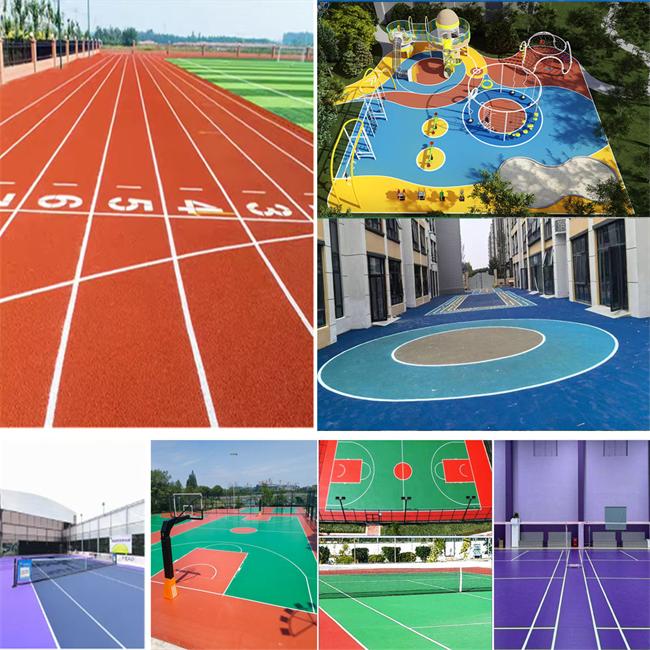
EPDM impact-absorbing surfacing is specified across a wide range of projects.
For playgrounds and kindergartens, wet pour systems with an EPDM top layer and SBR base are standard, with critical fall height (CFH) compliance required per EN1177 or ASTM F1292. Running tracks typically use sandwich or spraycoat systems, demanding uniform rebound and tensile strength exceeding 4 MPa. Sports courts utilize poured-in-place (PIP) single or multi-layer constructions, with abrasion resistance and slip resistance (PTV greater than 40) as key requirements.
Splash pads and pool surrounds benefit from permeable EPDM surfacing, requiring water permeability and slip resistance. Pathways and municipal projects generally use 10–13mm medium thickness EPDM, focusing on comfort underfoot and durability. Fitness and gym areas call for 15–20mm heavy-duty EPDM to provide impact absorption for free weights and HIIT training.
Benefits of High-Quality EPDM Impact Absorbing Surfacing
Superior Impact Absorption.
The primary function of EPDM safety surfacing is to reduce injury risk from falls. The combination of an SBR base layer and EPDM top layer effectively dissipates impact energy, meeting critical fall height standards for equipment heights up to 3 meters and beyond.
UV Resistance & Color Stability.
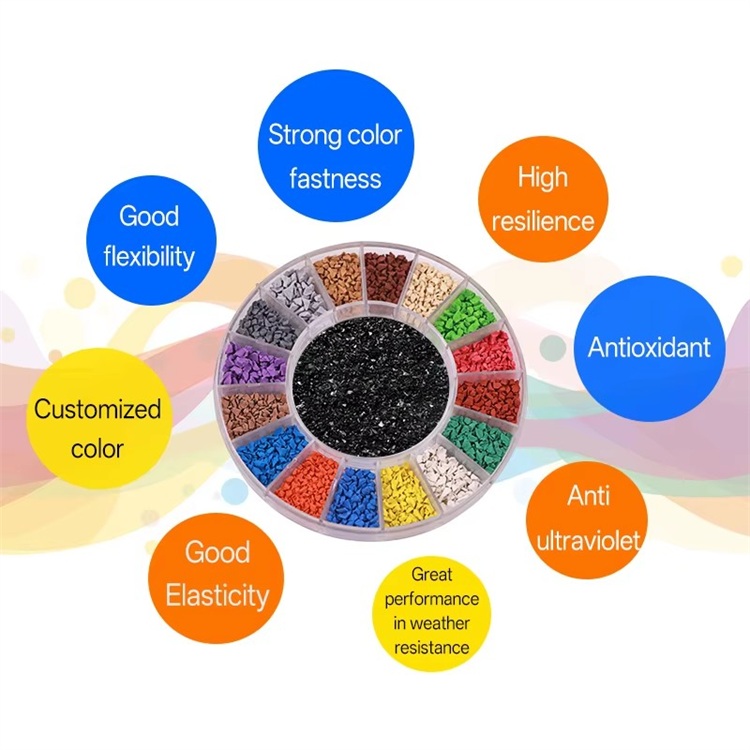
Poor-quality EPDM or SBR-based surfaces fade within months of installation—especially in sun-intense climates like the Middle East or Australia. High-quality EPDM granules with UV-stable resin binders maintain their vibrant color for years, even under continuous sunlight. Our EPDM uses a sulfur-free formulation that significantly enhances antioxidant properties, keeping colors vivid and consistent.
Odor-Free & Environmentally Safe.
SBR contains sulfur, which can break down under heat and UV exposure to release sulfuric compounds and odors. Our EPDM granules are sulfur-free, odorless, and fully encapsulated in polyurethane, with no off-gassing after curing. The material meets stringent environmental standards, including California’s Proposition 65 for use in children’s play areas.
Low Maintenance & Longevity.
Wet pour EPDM surfaces require minimal upkeep—regular cleaning with water and a stiff brush, plus prompt removal of organic debris. With proper installation and maintenance, a quality EPDM surface can last 10–15 years or more. Our sulfur-free formula provides a molecular structure that is up to 3 times more stable than conventional EPDM, extending service life significantly.
Permeability & All-Weather Use.
EPDM wet pour surfaces are porous, allowing water to drain naturally, preventing pooling and reducing slip hazards. This makes them suitable for year-round outdoor use.
Common Challenges & How to Address Them
Color Inconsistency & Fading.
Many EPDM granules fade unevenly, creating patchy, unattractive surfaces within 1–2 years. This is often due to poor-quality pigments or recycled content. The solution is to specify sulfur-free, virgin EPDM granules with high UV stability, tested to 1000+ hours Grey Scale. Request color samples and UV test reports, and confirm that the binder system is also UV-stable—using a UV-stable resin prevents the binder itself from yellowing or degrading.
Incorrect Granule Size Selection.
Using the wrong particle size affects finish, porosity, and durability. Fine granules in the 0.5–1.5mm range are ideal for smooth running track surfaces, while larger granules from 1–4mm provide better permeability and texture for playgrounds. For optimal results, match granule size to the application: 0.5–1.5mm for running track top layers and spraycoat systems, 1–3mm for playground wet pour surfaces and sports courts, 2–4mm for heavier-duty recreational areas and splash pads, and 1–4mm for general-purpose EPDM surfacing.
Binder Ratio & Curing Issues.
Too little binder leads to loose granules and premature wear; too much binder reduces permeability and makes the surface hard. Improper curing conditions can delay projects or compromise performance. For EPDM top layers, a binder ratio of approximately 20% by weight is standard, with 25% recommended for recycled-back EPDM. Ensure installation is carried out within recommended temperature and humidity ranges, ideally around 25°C and 50% relative humidity, and protect from rain during the 6–24 hour curing period.
Hidden Costs & Quality Risks.
Importers and contractors often focus on price per kilogram without considering coverage rate, quality consistency, or hidden costs such as color matching failures or early replacement. The recommended approach is to evaluate EPDM on value, not just price per kilo. Key value drivers include color consistency to avoid costly mismatches between batches, lower bulk density for better coverage in square meters per ton, tensile strength and elongation as indicators of durability and elasticity (our product achieves 4–7 MPa tensile strength, 2–3x standard), and abrasion resistance to determine surface life.
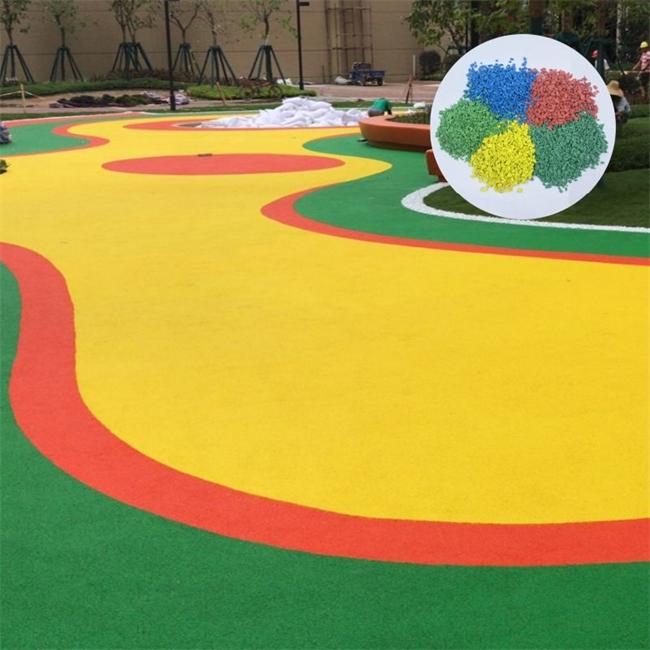
How to Choose EPDM Granules: Technical Decision Guide
When selecting EPDM granules for your specific application, consider the following technical decision criteria.
For playground surfacing in general, 1–3mm granules are recommended with a total thickness of 13–20mm (EPDM plus SBR), complying with EN1177 or ASTM F1292. For high-fall-height play areas, the same 1–3mm size is used but with a thicker construction of 25–50mm total to achieve a critical fall height exceeding 2.0 meters.
For running tracks, 0.5–1.5mm or 1–3mm granules are appropriate with a 13–18mm thickness, meeting EN14877 or IAAF standards. Sports courts typically use 1–3mm granules at 8–13mm thickness, also complying with EN14877.
Pathway and leisure areas generally use 1–4mm granules with a thickness of 10–13mm, with slip resistance requiring a PTV greater than 40. Splash pads perform best with 1–3mm granules at 10–15mm thickness, requiring high water permeability.
These thickness values are guidelines; final thickness must be calculated based on the required critical fall height per relevant safety standard. Composite structures using an SBR base are standard for cost-effectiveness.

Technical Specifications of Premium EPDM Granules
Our EPDM granules are engineered for international projects, with the following typical properties.
The particle size range includes 0.5–1.5mm, 1–3mm, 1–4mm, 2–4mm, or custom sizes as required. Tensile strength reaches 4–7 MPa, which is 2–3 times higher than conventional EPDM due to our sulfur-free formulation. Elongation at break exceeds 400%, indicative of excellent elasticity and durability. Hardness on the Shore A scale measures 60–67, providing an optimal balance of firmness and shock absorption.
Specific gravity is approximately 1.45 ± 0.05, with low density translating to better coverage per ton. UV stability is excellent, achieving Grey Scale 4–5 rating under 1000-hour testing. The color range covers RAL, Pantone, or custom matching to any specified shade.
Odor is completely absent due to the sulfur-free composition. The product is tested to EN1177, EN14877, ASTM F1292, and applicable regional standards, with REACH and RoHS compliance. Full TDS and MSDS documentation is available for every shipment.

Manufacturer Insights: Expert Procurement Advice
From our 25+ years of manufacturing EPDM granules for global projects.
How to Choose the Right Particle Size.
The granule size affects both the aesthetic and functional performance of your surface. Smaller granules in the 0.5–1.5mm range produce a smoother, tighter surface ideal for running tracks and high-speed sports applications. Medium granules from 1–3mm are the most versatile, offering a good balance of texture, permeability, and comfort for playgrounds and multi-use courts. Larger granules from 2–4mm and above provide greater permeability and a coarser texture, suitable for pathways, splash pads, and areas requiring enhanced slip resistance.
When to Use Custom Colors.
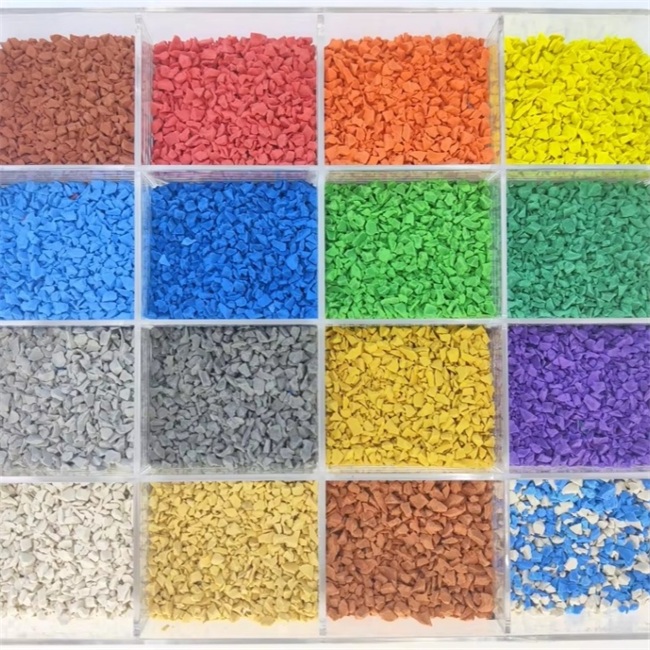
While standard colors are suitable for most projects, custom color matching is often required for matching corporate or institutional branding, creating themed play areas with zone-specific color schemes, meeting architect specifications for public spaces, or replacing or extending existing surfacing with an exact color match. Our facility supports RAL, Pantone, and custom sample matching, with no minimum order quantity for color customization.
Key Quality Parameters to Verify.
When evaluating EPDM suppliers, always request tensile strength and elongation at break data—higher values indicate better durability and elasticity. Request abrasion resistance data to ensure the surface will withstand heavy foot traffic. UV stability test reports confirm color retention in your local climate. Bulk density affects coverage and shipping cost efficiency. Certifications including EN, ASTM, REACH, and RoHS compliance are essential for your market.
Cost Control Strategies.
Optimize thickness by designing with the minimum thickness needed for the required CFH to reduce material costs. Use a two-layer system with an SBR base and EPDM top layer, which is more cost-effective than 100% EPDM for most applications. Plan for consolidation by grouping multiple orders into full container loads to reduce freight costs. Work with a single supplier for all colors—consistent color matching across batches is critical, and a single supplier ensures batch-to-batch consistency.
How to Avoid Common Procurement Errors.
Don't buy on price alone—the cheapest EPDM often contains recycled content, has poor UV stability, and requires early replacement. Focus on total cost of ownership. Verify color matching by asking for a color sample from the actual production batch, not just a photograph. Check certifications for your region, whether EN standards for Europe, ASTM for North America, or local standards for other markets. Confirm the binder recommendation, as EPDM requires a compatible PU binder and your supplier should advise on the correct type and ratio. Plan for lead time—custom colors and sizes require production time, so ensure your supplier can deliver to your project schedule.
Why Global Buyers Choose Our EPDM Granules
As a dedicated manufacturer and exporter of EPDM colored rubber granules, we focus exclusively on what we do best: producing premium EPDM granules for the world's most demanding projects.
Sulfur-Free Technology. Our unique formulation contains no sulfur, resulting in zero odor, superior molecular stability, and up to 3 times longer service life compared to conventional EPDM.
Exceptional Elasticity & Strength. Our granules deliver 4–7 MPa tensile strength, which is 2–3 times the standard, and up to 5 times better performance retention over time, ensuring long-term resilience in all climates.
Vibrant, Fade-Resistant Color. Enhanced antioxidant properties keep colors bright and consistent, even under intense UV exposure. We support RAL, Pantone, and custom color matching.
Environmental Compliance. Our EPDM meets food-grade hygiene standards and is REACH, RoHS, and Proposition 65 compliant—safe for children's play areas and sensitive environments.
Global Export Experience. We serve contractors, importers, and OEM buyers across Europe, North America, Australia, the Middle East, and beyond, with full documentation including TDS, MSDS, and test reports.
Flexible Customization. Granule sizes from 0.5mm to 4mm and above, any color, custom packaging, and private label support. No MOQ requirements—we support both full containers and LCL shipments.
Reliable Production & Delivery. With 25+ years of industry experience, fully automated production lines, and a track record of on-time delivery for projects of all scales.
Frequently Asked Questions
What size EPDM granules should I choose for my playground project?
For general playground wet pour surfacing, 1–3mm granules are the most common and versatile choice, providing a good balance of texture, permeability, and durability. For running tracks, 0.5–1.5mm granules create a smoother surface. For heavy-duty recreational areas or splash pads, 2–4mm or larger may be preferred. Your granule supplier should recommend the optimal size based on your specific application.
Can EPDM granules fade or change color over time?
Yes—if the product is low-quality or uses poor pigments. High-quality EPDM granules formulated with UV-stable pigments and a sulfur-free compound, like ours, will retain their color for many years. Always request UV stability test data and consider a UV-stable top coat in extremely sun-intense climates.
How much PU binder is required for mixing with EPDM granules?
For a standard EPDM top layer, approximately 20% by weight of polyurethane binder is recommended, with 25% recommended for recycled-back EPDM. The exact ratio may vary based on the granule size, binder type, and ambient conditions. Your EPDM supplier should provide a technical specification sheet with the recommended binder ratio.
How long does a wet pour EPDM surface last?
With proper installation and regular maintenance, a high-quality EPDM wet pour surface can last 10–15 years or more. Our sulfur-free formulation extends service life by up to 3 times compared to conventional EPDM, making it a smart investment for long-term projects.
Can you customize EPDM granule colors?
Yes. We support color matching to RAL, Pantone, or customer-supplied physical samples. Custom colors are available with no minimum order quantity, and we ensure batch-to-batch color consistency for large-scale or phased projects.
Can you supply EPDM granules for a project in a hot, sunny climate?
Absolutely. Our sulfur-free EPDM is formulated with enhanced UV and heat resistance, making it ideal for hot climates like the Middle East, Australia, and the southern United States. We recommend pairing it with a UV-stable binder for maximum protection.
What are the minimum order quantities (MOQs)?
We have no MOQ requirements. We support flexible order quantities from small trial batches, such as 25kg samples, to full 40-foot containers. This flexibility is particularly valuable for importers, distributors, and contractors testing new markets or handling small projects.
How can I verify the quality of EPDM granules before placing a large order?
Request a physical sample of the product, along with its technical data sheet. We always recommend a trial batch before a full-scale order. We also provide third-party test reports, UV stability data, and color samples. For critical projects, we can coordinate with your specified testing laboratory for pre-shipment verification.
What is the difference between EPDM and SBR granules?
EPDM is a virgin synthetic rubber with superior UV resistance, color stability, and durability. SBR is often made from recycled tires, is less UV-stable, and can emit odors over time. EPDM is used for the colored top layer of safety surfacing; SBR is typically used for the base layer to provide impact absorption at a lower cost.
How should EPDM granules be stored before installation?
Store EPDM granules in a cool, dry place, protected from direct sunlight and moisture. Keep them in their original packaging until ready for mixing. Avoid contamination from dirt, oils, or chemicals. The polyurethane binder should be stored similarly and used within its shelf life.

Specifying and procuring EPDM granules for impact absorbing surfacing requires a clear understanding of application requirements, technical specifications, and supplier capabilities. By focusing on quality attributes—UV stability, tensile strength, color consistency, and environmental compliance—you can ensure your project delivers long-lasting safety and aesthetic value.
We are a dedicated manufacturer and exporter of premium EPDM colored rubber granules, serving contractors, importers, engineers, and OEM buyers worldwide. With 25+ years of industry experience, sulfur-free technology, and flexible customization capabilities, we are positioned to support your project with reliable quality, full documentation, and on-time delivery.

Ready to discuss your project requirements?
Contact our team .
WOW(LYG) New Material Co Ltd is a manufacturer specializing in the production of EPDM rubber granules. We use sulfur-free vulcanization technology, it increases the service life by more than 3 times than traditional EPDM granules, and enhances the performance, including anti-aging, high-temperature resistance, and colorfastness.
We have over 25 years of production experience and offer customization for colors and granule sizes. NO MOQ.


